
 AUS
AUS
 NZ
NZ
 UK
UK
 CA
CA
 USA
USA
 IND
IND


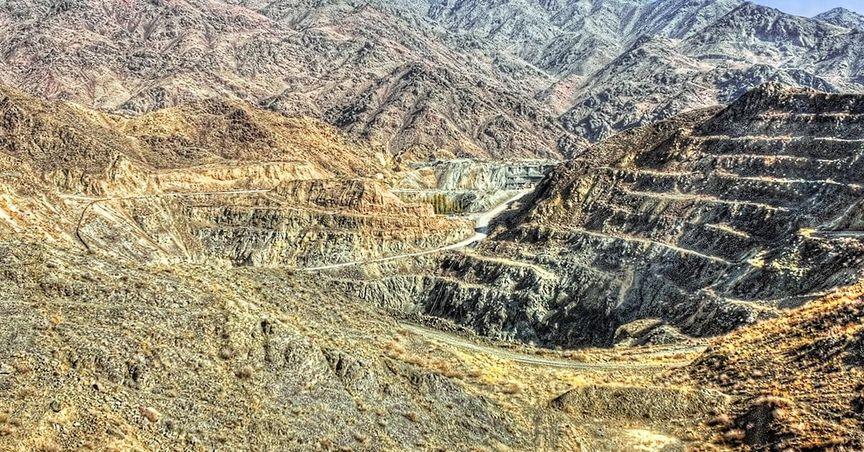




Highlights
Rising diesel costs influence mining expenditure across operations.
Ramelius Resources updates cost outlook within gold production segment.
Resource sector reflects broader impact of energy-related expenses.
Ramelius Resources reflects rising diesel costs impacting gold mining operations, highlighting how energy inputs influence cost structures across the Australian resources sector.
The gold mining sector plays a central role in the Australian economy, contributing through extraction, processing, and export of valuable resources. Companies within this segment are widely tracked across indices such as the ASX 200 and ASX 100, reflecting their importance within the broader financial landscape.
Mining operations are influenced by a combination of global commodity trends and operational inputs, including fuel, labour, and infrastructure. Diesel fuel remains a key component in mining activities, supporting transportation, drilling, and processing functions across project sites.
Changes in energy costs can influence production expenditure, shaping operational planning and financial reporting across mining companies. This dynamic highlights the connection between global energy markets and resource sector activity in Australia.
Ramelius Resources Operational Update and Cost Outlook
Ramelius Resources Limited (ASX:RMS) operates within the gold mining sector, focusing on exploration and production across multiple project locations. The company has updated its operational cost outlook, reflecting increased diesel-related expenditure linked to mining activities.
This adjustment aligns with broader industry trends, where fuel costs contribute significantly to total operating expenses. Mining companies continue to manage these inputs while maintaining production consistency and operational efficiency.
Other gold producers such as Northern Star Resources Limited (ASX:NST) and Evolution Mining Limited (ASX:EVN) also operate within similar cost environments, highlighting shared challenges across the sector.
Diesel Costs and Mining Operations
Diesel fuel is essential to mining operations, powering heavy machinery, transport vehicles, and processing equipment. Its role extends across various stages of production, from extraction to logistics.
Fluctuations in fuel costs can influence operational expenditure, requiring companies to adjust budgets and resource allocation. This impact is particularly evident in large-scale mining projects where fuel consumption remains significant.
Mining companies often incorporate cost management strategies to address these variations, ensuring continuity of operations despite changes in external input costs.
Sector Influence on Australian Market Indices
The resources sector remains a major contributor to Australian equity indices, with mining companies holding substantial weight within benchmarks. Gold producers, in particular, influence index performance through their operational scale and market presence.
The broader asx all ords index includes a wide range of resource companies, offering a comprehensive view of sector participation across different market segments.
This representation supports diversification within the Australian market, balancing contributions from financial, healthcare, and industrial sectors.
Institutional Participation and Resource Stocks
Institutional investors maintain exposure to mining companies due to their role in commodity markets and economic activity. These investments contribute to market liquidity and support participation across major indices.
Exchange-traded funds tracking resource-heavy indices allocate capital to mining companies, reinforcing their presence within diversified portfolios. This participation reflects the importance of commodities within the global economic framework.
The category of ASX dividend stocks also includes selected mining companies, highlighting the ability of some resource firms to distribute earnings alongside operational activities.
Operational Strategies and Cost Management
Mining companies adopt structured approaches to managing operational costs, focusing on efficiency, resource allocation, and infrastructure optimisation. These strategies support sustained production despite variations in external inputs.
Investment in technology and process improvements can enhance efficiency, reducing the impact of fluctuating costs. Companies also monitor global energy trends to adapt operational planning accordingly.
Market engagement is influenced by operational updates, production reports, and financial disclosures, all of which contribute to transparency within the sector. These elements shape how resource companies are perceived within the Australian equity market.
