
 AUS
AUS
 NZ
NZ
 UK
UK
 CA
CA
 USA
USA
 IND
IND







Highlights
Australia’s national accounts show broader economic momentum across sectors
Business investment, exports and housing activity shape growth outlook
Global energy tensions add uncertainty to the economic landscape
Australia’s national accounts highlight broader economic growth, rising investment and global energy risks shaping the country’s economic outlook and financial market sentiment.
Australia’s economic pulse often becomes clearer through the national accounts, a detailed snapshot of how industries, consumption and investment interact across the country. Within the broader environment of the ASX 200, these updates provide important context for the ASX stock market and reveal how growth drivers shift between private activity, government spending and global trade. While national data rarely tells a single story, the latest release paints a complex picture of expansion, adjustment and uncertainty. From strengthening business investment to global energy tensions influencing commodity markets, the figures highlight both encouraging signals and emerging challenges shaping Australia’s economic landscape.
Economic Pulse
Australia’s national accounts act as one of the most comprehensive gauges of economic activity. Each release summarises production, income and spending patterns across industries, helping explain how the economy evolves over time.
Recent figures reveal a cyclical upswing in Australia’s economy that appears more broadly based than earlier periods. Growth momentum has gradually expanded beyond isolated sectors, suggesting underlying resilience within domestic activity.
This broader expansion is significant because earlier phases of the post-pandemic recovery were marked by uneven momentum. Some industries accelerated quickly while others struggled to regain stability. The latest data indicates that activity is becoming more balanced across the economy, reinforcing confidence that growth drivers are spreading across multiple sectors rather than relying on a single engine.
National accounts also provide insight into supply capacity. When economic growth occurs alongside stable inflation dynamics, it can indicate that production capacity is expanding alongside demand. This balance becomes essential for sustainable economic progress.
Growth Drivers
One of the most notable features of the latest national accounts is the diversification of growth drivers. Both public and private demand have contributed to the broader economic expansion.
Private sector investment has gained traction in several structural areas of the economy. Large-scale investments connected to technology infrastructure and energy transition initiatives have gained prominence in recent years. These areas tend to involve long-term projects, meaning their economic influence extends across multiple stages of development.
At the same time, housing investment has strengthened. The expansion of residential construction contributes not only to employment but also to increased housing supply. In a country where housing availability remains a central economic and social issue, this development plays an important role in balancing supply and demand across the property market.
Public sector expenditure has also continued to support economic activity. Government programs focused on infrastructure, health services and community support remain important contributors to overall demand. These initiatives influence construction activity, workforce participation and regional development.
Together, these drivers create a complex economic ecosystem where different sectors reinforce one another.
Export Momentum
Another key component of Australia’s economic activity lies in the external sector. The country’s export industries, particularly resource exports, remain a vital source of national income.
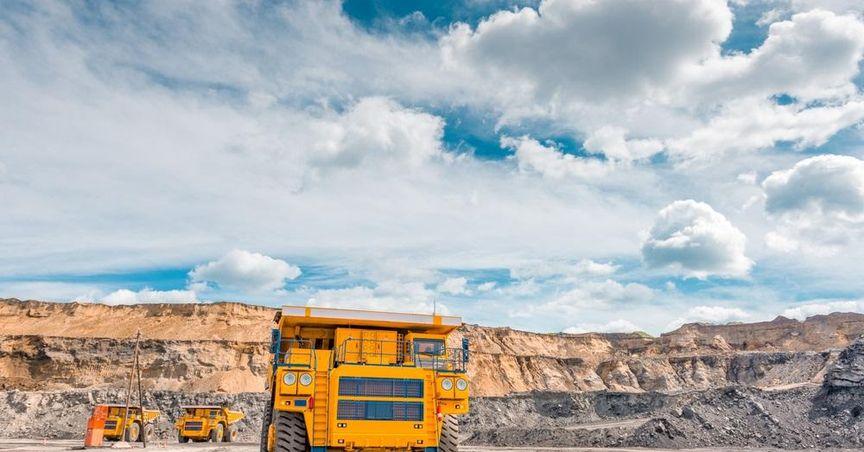
Mineral shipments and commodity exports continue to shape Australia’s global economic position. Strong demand for energy resources and minerals contributes significantly to national income and tax revenue.
Australia’s position as a major resource exporter also connects domestic economic outcomes to global commodity markets. Fluctuations in commodity prices often influence corporate earnings, fiscal revenues and trade balances.
This connection is particularly relevant for companies operating within the resources sector. Businesses classified among ASX mining stocks often experience changing demand conditions depending on international economic developments.
When global commodity prices strengthen, the resulting income boost can flow through the broader economy, supporting employment, government revenue and investment.
Private Investment Trends
Private investment has become an increasingly important theme in Australia’s economic story. Several sectors are experiencing structural investment cycles that extend beyond short-term consumer demand.
Energy transition projects represent one such area. Investments aimed at expanding renewable energy capacity, modernising infrastructure and supporting decarbonisation initiatives are becoming central to the economic landscape.
Similarly, digital infrastructure projects have attracted significant capital. The expansion of data storage facilities and digital networks reflects Australia’s growing role in the global technology ecosystem.
These projects tend to require specialised construction capabilities, skilled labour and long development timelines. As a result, they generate economic activity across multiple industries, from engineering services to logistics and materials supply.
Private investment in these structural sectors provides an additional growth engine that complements traditional consumer spending patterns.
Public Spending Influence
Government spending remains a prominent feature of Australia’s economic environment. Public investment programs play a crucial role in shaping infrastructure, healthcare and social services.
Infrastructure development projects are designed to improve transportation networks, regional connectivity and urban planning. These initiatives often involve large-scale construction efforts that stimulate employment and supply chains.
In addition, social support programs have expanded in areas such as healthcare services and community assistance. These initiatives aim to address demographic challenges while creating employment opportunities within care-related industries.
Public spending can therefore influence economic growth in two key ways. First, it generates direct demand for goods and services. Second, it supports broader economic participation by improving access to essential services.
However, maintaining balance between public expenditure and private sector activity remains important. When both sectors compete for the same resources, particularly skilled labour and construction capacity, economic pressures may emerge.
Housing Supply
Housing investment plays a vital role in Australia’s economic stability. Construction activity contributes significantly to employment, supply chains and regional development.
Recent data suggests stronger dwelling investment, which could gradually increase housing supply across the country. Increased construction activity can help address supply shortages that have affected several urban regions.
The housing sector also has strong linkages with other industries. Construction materials, engineering services, financial services and real estate operations all interact within the housing ecosystem.
An expansion in housing development therefore stimulates a wide range of economic activity beyond the construction sector itself.
Economic Revisions
Economic data is often subject to revisions as new information becomes available. These adjustments may appear technical, but they can significantly change how economic performance is interpreted.
In Australia’s case, revisions to earlier quarters have indicated stronger growth than previously recorded. This suggests that the economy may have been performing more robustly than earlier estimates suggested.
Such revisions highlight the importance of viewing economic data as an evolving narrative rather than a static snapshot. Historical adjustments can reshape perceptions of economic strength and resilience.
When growth revisions coincide with stable inflation outcomes, they may also indicate that the economy possesses greater supply capacity than previously assumed.
Global Energy Shock
Beyond domestic developments, global geopolitical tensions have introduced new uncertainties into the economic outlook.
Recent disruptions to energy transport routes in the Middle East have triggered volatility in global oil markets. Shipping challenges and production interruptions have intensified concerns about supply constraints in the global energy system.
Energy price fluctuations can influence economic conditions in several ways. Higher oil prices tend to raise transportation costs, manufacturing expenses and consumer fuel prices. These effects can ripple across the entire economy.
However, Australia’s position as a resource exporter means that higher commodity prices can also generate additional export revenue. This dual impact creates a complex dynamic where global shocks produce both costs and income benefits.
Inflation Outlook
Inflation dynamics remain a key area of focus within Australia’s economic landscape. Following the post-pandemic surge in prices experienced globally, policymakers have sought to maintain stability in price growth.
Current assessments suggest inflation expectations remain relatively anchored. This means households and businesses generally anticipate moderate price changes rather than rapid inflation.
Stable expectations are crucial for economic planning. When businesses and consumers have confidence in price stability, they can make long-term decisions with greater certainty.
Economic stability also influences financial markets, particularly sectors linked to income generation such as ASX dividend stocks.
Industry Performance
National accounts data also highlights how different industries contribute to economic growth.
Manufacturing, services, construction and resource industries all play important roles in Australia’s diversified economy. Growth across multiple industries suggests that expansion is not limited to a single sector.
The services sector continues to represent a major portion of economic activity. Healthcare, education, finance and professional services collectively contribute significantly to employment and output.
Meanwhile, construction activity reflects both public infrastructure projects and private residential development. These projects influence regional economies and supply chains across the country.
Market Benchmarks
Understanding Australia’s economic trends also requires examining how different market segments behave.
Large-capitalisation companies often dominate headline indices such as the ASX 100. These businesses typically operate across multiple global markets and industries.
At the same time, the broader market includes a wide range of companies represented within the ASX ordinaries stocks category. This group captures a larger cross-section of Australia’s corporate landscape.
Comparing these segments can reveal differences in performance between large multinational businesses and smaller domestic companies.
Trade Balance
Trade flows represent another crucial component of national accounts data. Australia’s imports and exports reflect the country’s integration with the global economy.
An increase in imports often signals strong domestic demand. Businesses and households purchase goods from overseas when local consumption rises.
Exports, on the other hand, reflect international demand for Australian resources, agricultural products and services.
When import growth exceeds export growth, it can temporarily weigh on economic expansion. However, strong domestic demand may also signal healthy economic momentum.
Supply Capacity
Supply capacity refers to the economy’s ability to produce goods and services without generating excessive inflation.
Recent economic data suggests that Australia’s supply capacity may be stronger than previously assumed. This means businesses have been able to increase production alongside rising demand.
Improved supply capacity can occur when productivity increases, infrastructure expands or workforce participation grows.
These improvements support sustainable economic growth by reducing bottlenecks that might otherwise trigger inflation pressures.
The Mixed Narrative
Economic data rarely tells a single story. National accounts often reveal both encouraging developments and areas requiring caution.
Australia’s latest economic snapshot reflects exactly that type of mixed narrative. Growth has broadened across sectors, yet global uncertainties remain.
Public and private investment continue to shape economic momentum, while international developments influence commodity markets and energy costs.
Understanding this complex interplay helps explain why economic outlooks are rarely straightforward.
Final Perspective
Australia’s national accounts provide a valuable lens into how the economy evolves over time. The latest data suggests broader momentum across industries, stronger private investment in structural sectors and continued influence from government spending.
At the same time, global energy disruptions and geopolitical tensions introduce uncertainty that may shape future economic conditions.
Taken together, these developments highlight the complexity of Australia’s economic environment. Growth drivers, resource exports, infrastructure development and global market dynamics all interact within a constantly shifting landscape.
Understanding these forces offers deeper insight into how Australia’s economy continues to adapt and expand within the global marketplace.
