
 AUS
AUS
 NZ
NZ
 UK
UK
 CA
CA
 USA
USA
 IND
IND






Highlights
Copper-focused ASX companies attracted attention within the mining sector.
Resource demand linked to industrial and energy applications shaped market interest.
Mining stocks remained central to broader ASX index performance.
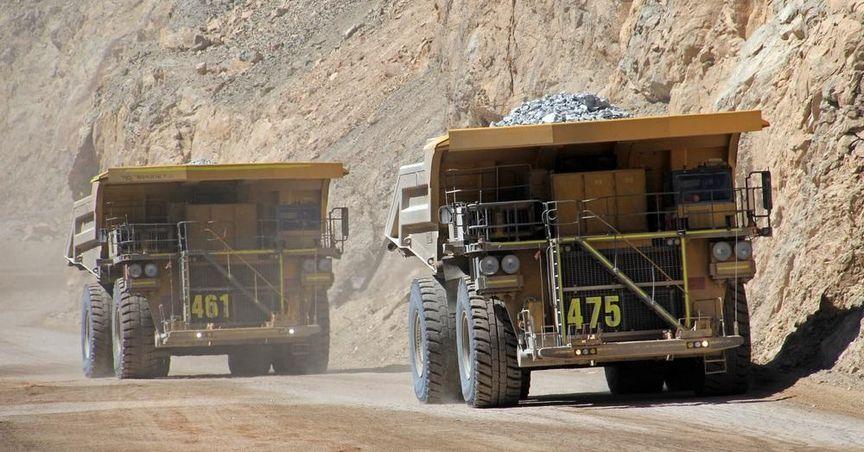
Copper-focused ASX companies highlighted mining sector activity, reflecting the importance of base metals in industrial systems and broader market participation.
The mining and resources sector represents a cornerstone of the Australian equity market, contributing significantly to indices such as the ASX 200. This sector encompasses companies engaged in the extraction and processing of commodities including iron ore, gold, and base metals such as copper. Copper, in particular, holds a critical role in industrial production and electrical applications, making it an essential component of global economic activity.
In the second paragraph, companies such as Sandfire Resources (ASX:SFR), OZ Minerals, BHP Group (ASX:BHP), and Aeris Resources (ASX:AIS) were associated with copper-focused operations within the Australian market. These organisations operate across exploration, development, and production activities, contributing to the supply of copper for domestic and international markets.
Importance of Copper in Industrial and Energy Systems
Copper is widely used across various industries due to its conductivity and durability. It plays a vital role in electrical systems, renewable energy infrastructure, and manufacturing processes. The demand for copper is closely linked to industrial activity, urban development, and technological advancement.
Within the broader ASX 100, resource companies hold a substantial presence, reflecting the importance of commodities in the Australian economy. Copper producers contribute to this presence, supporting supply chains that extend across multiple industries.
The role of copper in renewable energy systems has further enhanced its significance. Applications such as solar panels, wind turbines, and electric vehicles rely on copper for efficient energy transmission. This connection between copper and energy systems highlights its relevance in modern infrastructure.
Mining companies engaged in copper production often operate across different geographic regions, managing complex supply chains and logistical operations. These activities contribute to the global availability of copper, supporting industrial and technological development.
Company Operations and Resource Development
Companies involved in copper mining undertake a range of activities, including exploration, resource assessment, and extraction. Exploration efforts focus on identifying new deposits, while development projects involve the construction of mining infrastructure and processing facilities.
The broader ASX 300 includes a diverse range of mining companies, from large-scale producers to smaller exploration firms. This diversity reflects different stages of project development and operational capacity within the sector.
Sandfire Resources operates copper projects with a focus on production and resource expansion, while OZ Minerals has been involved in large-scale mining operations. BHP Group, as a diversified mining company, includes copper within its portfolio alongside other commodities. Aeris Resources contributes to the sector through its operations and development activities.
Resource development involves collaboration with stakeholders, including governments, communities, and industry partners. Companies must adhere to regulatory requirements and environmental standards, ensuring responsible mining practices.
Market Composition and Resource Sector Influence
The Australian equity market reflects a strong influence from the resource sector, with mining companies contributing significantly to overall index performance. The asx all ords index captures this influence, encompassing companies across various industries, including resources.
Copper-focused companies form part of this broader composition, representing the base metals segment within the market. Their operations are closely linked to global demand for industrial materials, influencing their role within the equity landscape.
Dividend-paying companies also exist within the resource sector, contributing to the category of ASX dividend stocks. These companies often distribute earnings derived from commodity production, reflecting their operational performance.
The interaction between resource companies and other sectors contributes to the overall balance of the market. While mining companies are influenced by commodity demand, sectors such as technology and healthcare respond to different economic drivers.
Evolving Resource Landscape and Market Dynamics
The resource sector continues to evolve in response to changes in global demand, technological advancements, and environmental considerations. Mining companies increasingly adopt innovative technologies to enhance efficiency and reduce environmental impact.
Automation and data analytics play a role in improving operational processes, enabling companies to optimise resource extraction and processing. These advancements contribute to the sustainability and competitiveness of mining operations.
Environmental considerations have become a key focus within the sector, with companies implementing measures to reduce emissions and manage resource usage. These initiatives align with global efforts to address environmental challenges and promote sustainable practices.
The broader market environment reflects the interconnected nature of industries, with resource companies supporting manufacturing, energy, and infrastructure development. Copper, as a versatile and widely used metal, remains integral to these processes.
The Australian mining sector continues to maintain a strong presence within global markets, contributing to the supply of essential resources. Companies operating within this sector play a significant role in shaping the economic landscape, reflecting the ongoing importance of commodities in the global economy.
