
 AUS
AUS
 NZ
NZ
 UK
UK
 CA
CA
 USA
USA
 IND
IND


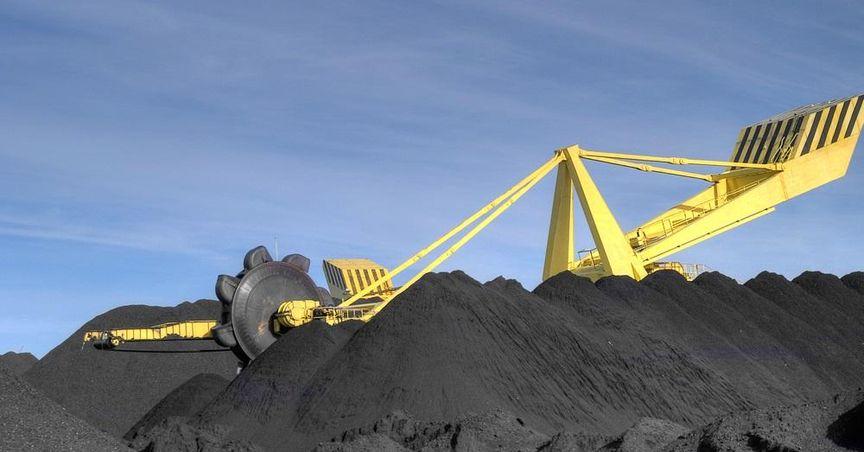




In the ever-shifting landscape of financial markets, ASX 200 coal stocks find themselves navigating choppy waters yet again. Today, the S&P/ASX 200 Index is painting a somber picture for coal stocks, with giants like New Hope Corp Ltd (ASX: NHC) and Whitehaven Coal Ltd (ASX: WHC) trailing behind the benchmark. The former's shares closed trading yesterday at AU$ 5.01, but are now exchanging hands at AU$ 4.96, marking around a 1% decline. Meanwhile, Whitehaven Coal Ltd saw its share price drop from AU$ 7.80 to AU$ 7.66, reflecting a 1.7% decrease.
However, the challenges faced by these coal stocks extend beyond mere market fluctuations. Queensland's imposition of a super tax on coal profits, effective since July 2022, has cast a shadow over the industry's future prospects. This tax mandates that ASX 200 coal stocks and smaller miners pay an additional levy on coal sales exceeding AU$ 175 per tonne, a move that has already bolstered the state's coffers significantly.
Despite the coal price retracing from its 2022 peak, companies like Whitehaven and New Hope continue to generate substantial revenues. For instance, Whitehaven boasted an average coal price of AU$ 219 per tonne in the March quarter, while New Hope realised an average sales price of AU$ 180 per tonne, in line with the prior quarter.
The Queensland government's recent move to enshrine the super coal tax into law ahead of state elections has further rattled industry stakeholders. Deputy Premier Cameron Dick's introduction of a bill aimed at solidifying the tax regime has sparked criticism from industry groups, who argue that such measures could deter future investments in the sector.
Janette Hewson, CEO of the Queensland Resources Council, expressed concerns over the negative message conveyed to the international investment community. She lamented the lack of consultation with industry players regarding significant changes affecting the resources sector.
In defense of the government's stance, Dick highlighted investor confidence in Queensland's coal industry, citing BHP Group Ltd's recent bid to acquire Anglo American, a company with significant coal assets in Queensland. According to Dick, this vote of confidence from a major player like BHP signifies the industry's resilience and potential for growth.
Despite Dick's optimism, the looming threat of legislative amendments to the coal tax continues to loom large. The uncertainty surrounding future tax policies could potentially hamper investment flows into the sector, jeopardising the jobs and economic contributions it currently sustains.
Looking ahead, the fate of ASX 200 coal stocks hangs in the balance, caught between market forces and regulatory pressures. While the Queensland government seeks to bolster its revenue streams through taxation, industry players are left grappling with the implications for their bottom line and long-term viability. As debates rage on in parliamentary chambers and boardrooms alike, one thing remains clear: the future of coal in Australia hinges on a delicate balance of economic interests and environmental imperatives.
