
 AUS
AUS
 NZ
NZ
 UK
UK
 CA
CA
 USA
USA
 IND
IND






Highlights
Fortescue advances green energy grid initiatives within operations.
Market activity reflects developments linked to energy transition plans.
Materials and energy sectors intersect through infrastructure expansion.
Fortescue progresses green energy grid initiatives, reflecting the integration of mining operations with renewable energy infrastructure across the Australian market.
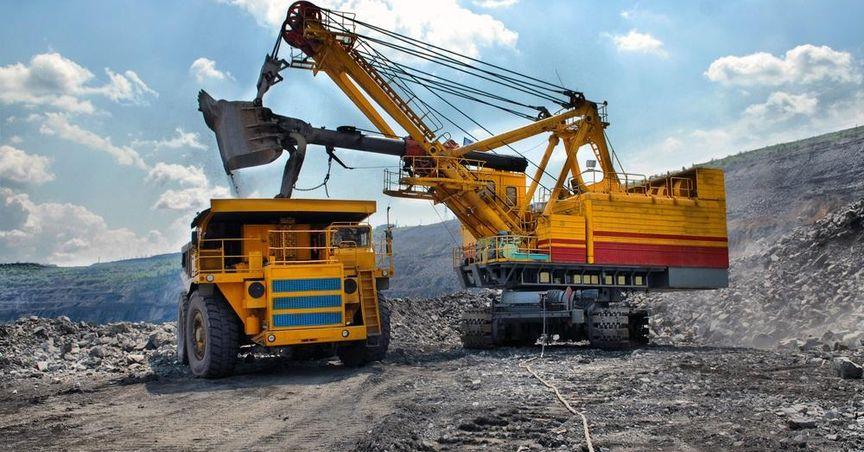
The Australian materials sector remains a key pillar of the equity market, encompassing mining companies engaged in resource extraction and infrastructure development. This sector contributes significantly to indices such as the ASX 20, where large-scale mining companies maintain a prominent presence. Fortescue operates within this environment, combining iron ore production with initiatives linked to energy infrastructure and sustainability projects.
The materials sector is closely tied to industrial demand, global supply chains, and infrastructure development. Fortescue Metals Group (ASX:FMG) continues to operate within this framework while expanding its engagement with green energy initiatives. The company’s activities reflect a combination of traditional mining operations and emerging energy-related projects, highlighting the evolving nature of the sector.
Within this landscape, developments associated with energy transition plans contribute to market visibility, particularly as companies align their operations with broader sustainability goals. These initiatives form part of a wider trend within the materials sector, where companies integrate energy solutions into their operational strategies.
Green Energy Grid Initiatives and Operational Expansion
Fortescue has advanced its green energy grid initiatives, reflecting a strategic focus on integrating renewable energy infrastructure into its operations. These initiatives are designed to support the company’s mining activities while aligning with broader energy transition efforts.
Green energy grids typically involve the development of renewable energy sources, transmission systems, and storage solutions that enable the efficient distribution of energy. For mining companies, such infrastructure supports operational efficiency and contributes to sustainability objectives.
The progression of these initiatives involves multiple stages, including planning, infrastructure development, and operational integration. These activities require coordination across technical, logistical, and regulatory frameworks, contributing to the complexity of energy-related projects.
Fortescue’s engagement with green energy infrastructure highlights the intersection between the materials and energy sectors. This integration reflects a broader trend within the industry, where mining companies incorporate renewable energy solutions into their operations.
Market Activity and Sector Dynamics
Market activity surrounding Fortescue reflects the interplay between its mining operations and energy initiatives. Developments related to green energy projects contribute to changes in market engagement, particularly as companies expand their operational scope.
The materials sector often experiences shifts in activity based on developments in commodity markets, infrastructure projects, and corporate initiatives. In the case of Fortescue, the focus on energy infrastructure adds an additional dimension to its operations, influencing how the company is positioned within the market.
Sector dynamics are shaped by a range of factors, including demand for raw materials, technological advancements, and environmental considerations. Companies that engage in both mining and energy projects operate within a broader framework that reflects these evolving dynamics.
The integration of energy initiatives into mining operations highlights the changing landscape of the materials sector, where companies continue to adapt to new operational requirements and industry trends.
Broader Market Context and Sector Integration
The integration of mining and energy activities contributes to the broader composition of the Australian equity market. Within indices such as the asx all ords, companies like Fortescue represent a segment that bridges traditional resource extraction and emerging energy infrastructure.
This integration reflects the interconnected nature of industries within the market, where developments in one sector can influence activity in another. Mining companies that incorporate energy initiatives contribute to the diversification of the materials sector, expanding its scope beyond resource extraction.
In addition, market participants may observe activity within ASX dividend stocks, where established companies engage in structured capital distribution frameworks. Mining companies often balance such frameworks with investment in operational expansion and infrastructure development.
The broader market context highlights the role of companies like Fortescue in shaping the intersection between materials and energy sectors. Their activities contribute to the evolving narrative of the Australian equity market.
Corporate Developments and Market Visibility
Corporate developments play a significant role in shaping the visibility of companies within the market. For Fortescue, the advancement of green energy grid initiatives contributes to its presence within both the materials and energy sectors.
These developments are often accompanied by updates related to project timelines, infrastructure planning, and operational integration. Such announcements provide insights into the company’s strategic direction and ongoing activities.
Market visibility is influenced by the scale and scope of corporate initiatives, particularly when they involve significant infrastructure projects. Companies that engage in large-scale developments often attract attention due to the complexity and impact of their operations.
The interaction between corporate activity and broader sector trends contributes to the dynamic nature of the market. Fortescue continues to operate within this framework, reflecting ongoing engagement through its mining operations and energy initiatives.
