
 AUS
AUS
 NZ
NZ
 UK
UK
 CA
CA
 USA
USA
 IND
IND





Highlights
- Mineral Resources is being assessed through asset diversification, project sequencing and cash generation rather than broad market enthusiasm.
- Attention across Lithium Stocks is shifting towards operational discipline, battery-material demand and financial flexibility.
- The Australian market is rewarding companies that can balance expansion, production and capital management with consistent execution.
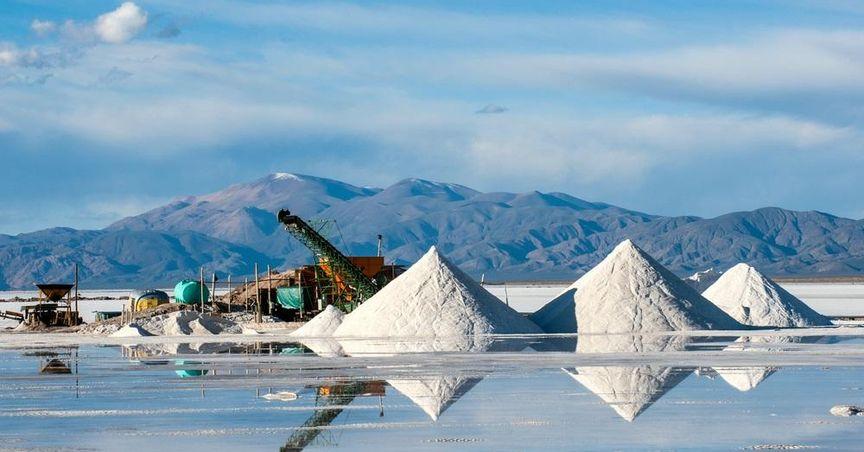
MIN remains a lithium balance test as project sequencing, cash generation, diversified mining assets, disciplined spending and battery-material demand shape the company's Australian resources narrative.
Mineral Resources (ASX:MIN) has become one of the more closely watched names in the Australian resources sector as investors weigh the balance between lithium exposure, mining services and iron ore operations. Within the broader ASX 200 environment, where commodity markets remain influenced by global growth expectations and energy costs, the diversified miner is increasingly being assessed on operational execution rather than sector optimism alone. The key discussion is whether its complex asset portfolio can continue supporting cash generation while project sequencing remains disciplined.
Why Mineral Resources Stands Apart
Mineral Resources occupies a unique position among Australian mining companies because it combines mining services with direct exposure to both lithium and iron ore operations.
This diversified structure provides several revenue streams rather than relying on a single commodity. Mining services can contribute recurring operational activity, while lithium and iron ore provide exposure to changing commodity cycles.
However, this diversified model also creates additional complexity.
Different businesses require separate capital allocation decisions, operational planning and project priorities. Conditions affecting lithium may differ significantly from those influencing iron ore or contract mining.
The market therefore evaluates Mineral Resources through the quality of portfolio management rather than commodity exposure alone.
The ability to coordinate these businesses efficiently has become one of the defining measures of the company's operational strength.
Asset Mix Creates Opportunity and Complexity
A diversified mining portfolio can provide resilience during changing commodity cycles.
When one commodity experiences weaker conditions, another business segment may continue generating operational support. This flexibility can reduce dependence on a single market.
For Mineral Resources, lithium operations are closely linked to battery-material demand, while iron ore remains connected to steel production and infrastructure activity. Mining services provide another layer through long-term operational support across the resources sector.
The challenge lies in managing these businesses simultaneously.
Each asset requires capital, equipment, skilled labour and long-term planning. Expansion within one division must be balanced against investment requirements elsewhere.
This explains why asset mix complexity has become a central topic. The company is expected to demonstrate that diversification strengthens the overall business rather than creating competing priorities.
Project Sequencing Drives Execution
Project sequencing remains one of the most important operational measures.
Mining developments typically progress through exploration, approvals, construction, commissioning and commercial production. Delays at any stage can affect capital deployment and operational efficiency.
Mineral Resources manages several projects across different commodities, making sequencing particularly important.
A disciplined approach allows equipment, funding and operational teams to move between developments without creating unnecessary pressure on the broader business.
Poor sequencing, however, can increase costs, delay production and reduce operational flexibility.
The market therefore places considerable attention on whether projects advance according to plan while remaining aligned with the company's broader operating strategy.
This emphasis reflects a wider shift across Australian mining, where execution quality increasingly outweighs ambitious expansion plans.
Cash Generation Remains Central
Cash generation has become one of the strongest measures of business quality.
Commodity prices can fluctuate considerably, making internally generated cash increasingly valuable for companies funding expansion and maintaining existing operations.
For Mineral Resources, healthy operating cashflow supports investment across lithium developments, mining services infrastructure and iron ore activities without placing unnecessary pressure on financial flexibility.
The company is therefore judged not only on production volumes but also on its ability to convert operations into sustainable cash generation.
Reliable cashflow can support equipment replacement, project development and operational improvements while providing greater resilience during periods of commodity weakness.
This explains why the market increasingly views cash generation as a stronger indicator than broad commodity enthusiasm.
Battery-Material Demand Shapes Lithium Exposure
Lithium remains closely linked to global battery manufacturing and electrification trends.
Demand for battery materials continues to influence how Australian lithium producers are assessed, although market conditions have become increasingly selective.
Rather than responding simply to sector optimism, attention has shifted towards production quality, operating costs and disciplined project development.
Mineral Resources participates in this discussion through its lithium assets, which provide exposure to changing battery-material demand while remaining part of a broader diversified business.
This structure can provide balance because the company is not dependent solely on lithium conditions.
Nevertheless, battery demand remains an important external influence.
The market continues monitoring whether lithium operations align with changing customer requirements and industry supply conditions while supporting the company's broader financial objectives.
Debt Receives Greater Attention
Financial discipline has become increasingly important across capital-intensive industries.
Mining companies frequently invest significant amounts into new developments, processing infrastructure and operational expansion. These investments often require careful management of funding sources.
For Mineral Resources, debt has become an important part of the market conversation because expansion across multiple business segments requires disciplined financial planning.
Debt itself is not unusual within the mining industry.
The more important consideration is whether borrowings remain aligned with productive assets capable of generating future operating cashflow.
The market therefore examines financial flexibility alongside project delivery.
A diversified portfolio can strengthen resilience when supported by disciplined capital management, but complexity also requires careful balance-sheet oversight.
Mining Services Strengthen the Portfolio
One feature distinguishing Mineral Resources from many lithium producers is its mining services business.
Mining services contribute operational capability through crushing, processing, logistics and infrastructure support across the resources industry.
This segment provides a different earnings profile compared with direct commodity production.
Service activity may remain supported even when commodity markets become more volatile, helping diversify the company's operating base.
The interaction between mining services and commodity assets also creates operational efficiencies in some areas.
However, maintaining this balance requires careful planning because each division competes for equipment, personnel and capital.
The market therefore considers how effectively the company integrates its service capabilities with its producing assets.
Iron Ore Adds Another Dimension
Although lithium attracts significant attention, iron ore remains an important contributor to Mineral Resources' overall business.
Iron ore demand continues to depend largely on steel production, infrastructure development and industrial activity across global markets.
This creates an additional layer within the company's portfolio.
Stronger iron ore conditions may support cash generation during periods when lithium markets become more cautious, while softer steel demand may shift greater attention towards battery materials.
The presence of both commodities reduces dependence on a single market but also increases operational complexity.
Capital allocation decisions must consider opportunities across multiple businesses rather than focusing exclusively on one commodity cycle.
This reinforces why portfolio balance remains central to the company's investment narrative.
Cost Discipline Supports Long-Term Stability
Mining operations require continuous investment across equipment, transport, processing facilities and supporting infrastructure.
Managing these costs effectively has become increasingly important as commodity markets move through changing demand cycles.
Mineral Resources therefore faces ongoing expectations around disciplined expenditure.
Cost management extends beyond reducing operating expenses.
It includes directing spending towards projects capable of strengthening long-term production while avoiding unnecessary duplication across the company's diversified portfolio.
Disciplined spending can also improve operational flexibility by allowing the company to respond more effectively when commodity conditions change.
The market increasingly favours companies that demonstrate measured capital allocation rather than aggressive expansion unsupported by operating outcomes.
Operational Execution Matters More Than Headlines
The broader Australian market has become increasingly selective when assessing resource companies.
Rather than rewarding broad thematic exposure, attention has shifted towards businesses capable of demonstrating reliable operational execution.
For Mineral Resources, execution extends across several areas simultaneously.
Lithium developments need disciplined delivery. Mining services require operational efficiency. Iron ore assets must maintain dependable production. Financial management must remain aligned with long-term priorities.
This combination explains why the company is frequently described as an operational balance test.
Success depends on how effectively these moving parts work together rather than the performance of any individual commodity.
What Could Shape the Next Phase
The Mineral Resources narrative is likely to remain centred on operational consistency.
Project sequencing will continue attracting attention because timely development supports efficient capital allocation.
Cash generation will remain another key measure, particularly as mining companies navigate changing commodity conditions.
The market is also likely to monitor lithium demand, mining services activity and iron ore operations to assess whether diversification continues supporting business resilience.
Financial flexibility, disciplined spending and operational reliability will complete the broader picture.
Together, these factors provide a clearer assessment of business quality than short-term commodity movements alone.
Why MIN Remains a Lithium Balance Test
Mineral Resources remains an important company within Australia's lithium sector because it combines battery-material exposure with mining services and iron ore operations.
That diversification creates opportunities but also raises expectations around execution.
The company must demonstrate that project sequencing remains disciplined, cash generation supports future investment and financial flexibility is maintained while commodity markets continue evolving.
This balanced approach explains why Mineral Resources continues attracting attention across Australia's resources sector.
Rather than relying solely on lithium sentiment, the company is increasingly assessed through measurable operating performance, disciplined capital allocation and the ability to manage a diversified portfolio effectively. In today's more selective market, that combination is what keeps MIN at the centre of the lithium balance discussion.
