
 AUS
AUS
 NZ
NZ
 UK
UK
 CA
CA
 USA
USA
 IND
IND



_10_04_2024_16_38_50_427275.jpg)


Highlights
Mineral Resources and Core Lithium have restarted key lithium operations after a difficult sector downturn.
Firmer lithium market conditions have brought idled Australian supply back into focus.
The restart wave has renewed attention on Lithium Stocks across the local resources market.
Australian lithium producers are restarting idled mines as firmer pricing conditions return, shifting the sector from survival mode toward a new supply and demand balance test.
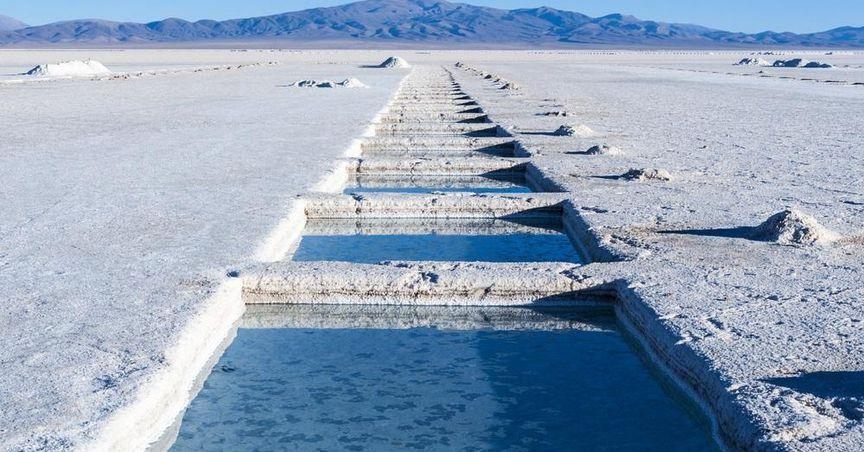
Australia's lithium sector is showing signs of a fresh turning point, not through market chatter but through mines returning to work. Mineral Resources (ASX:MIN), Core Lithium (ASX:CXO) and Pilbara Minerals (ASX:PLS) have brought renewed attention to a sector that spent much of the recent downturn cutting output, preserving balance sheets and waiting for pricing conditions to improve. The shift has placed lithium producers back in focus across the ASX 200, as the market weighs whether returning supply marks recovery or fresh pressure.
Restart Wave Changes the Lithium Mood
The return of idled lithium mines has become one of the clearest signs that sentiment around the battery metals sector is improving.
Bald Hill in Western Australia and Finniss in the Northern Territory were both affected by the deep lithium downturn, when weaker prices forced operators to rethink production plans. Their return signals that producers now see better operating conditions than during the worst phase of the cycle.
This does not mean the sector has fully healed. It does show that companies are again willing to commit operating resources to assets that had been paused during tougher market conditions.
Bald Hill Returns to the Map
Bald Hill has long been viewed as a notable hard-rock lithium asset in Western Australia.
Its restart matters because it shows how quickly supply can return when pricing improves enough to support operations. For Mineral Resources, the mine sits within a broader business that also spans mining services, iron ore and other resources exposure.
That diversified structure gives the company a different profile from smaller lithium-only operators, which often have greater sensitivity to commodity moves.
Finniss Adds Another Supply Test
Core Lithium's Finniss operation near Darwin has also returned to production, adding another important signal for the local sector.
Finniss has carried a more difficult operating history than some larger Western Australian assets, making its restart closely watched. The project gives Core Lithium renewed exposure to physical production at a time when market conditions have become less severe than during the downturn.
The next test is execution. Restarting production is one milestone; maintaining consistent output and controlling costs are separate challenges.
Pilgangoora Adds to the Comeback Story
Pilbara Minerals has also joined the broader restart theme through activity at Pilgangoora.
The company's Ngungaju plant forms part of one of Australia's most prominent lithium operations and has become a useful marker for how larger producers respond when market conditions stabilise.
When several operators bring capacity back around the same time, the sector conversation shifts from survival to balance. The key issue becomes whether demand can absorb the additional material without pressuring prices again.
Firmer Prices Drive the Shift
The restart wave has been driven by improved lithium pricing conditions.
Spodumene and lithium chemicals have shown enough strength to change boardroom decisions across the sector. Producers that previously preserved financial resources by placing mines on care and maintenance are now reassessing whether those assets can operate more effectively.
This is a normal feature of commodity cycles. When prices weaken, supply is cut. When prices recover, paused supply returns. The speed and scale of that return can determine whether a recovery holds or fades.
Demand Still Carries the Big Question
Lithium demand remains linked to electric vehicles, grid storage and broader battery adoption.
Energy storage has become an increasingly important demand driver, particularly as electricity grids require more battery-backed stability. Electric vehicle demand also remains central, though sales trends can vary sharply by region and policy environment.
For lithium producers, the strongest market backdrop comes when demand grows faster than restarted supply. If returning tonnes exceed near-term demand, price momentum can become harder to sustain.
Zimbabwe Adds a Supply Wildcard
Global supply dynamics are also being shaped outside Australia.
Zimbabwe has moved to restrict exports of lithium concentrates as it pushes more processing activity within its own borders. That policy direction could affect seaborne concentrate flows into China and partially offset some of the supply returning from Australian restarts.
This matters because lithium is a global market. Australian producers are not only competing with each other but also responding to changing supply policies across other major producing regions.
Producers Face a New Operating Test
The next stage for Australian lithium producers is not simply about restarting mines.
The market will be watching whether operations meet cost targets, whether shipments remain steady and whether customers absorb new supply without forcing prices lower. Cost discipline is especially important because lithium markets can turn quickly when inventory builds.
For larger producers, stable operations can strengthen confidence. For smaller producers, any operational setback can carry greater weight.
From Survival to Cycle Debate
The lithium sector has moved beyond the darkest phase of the downturn, but the restart wave creates a fresh debate.
On one side, firmer prices and returning mines show that demand conditions have improved enough to support renewed production. On the other, every restarted operation adds supply back into a market still finding balance.
That tension will define the next phase for ASX lithium names. The sector is no longer only asking how companies survive weaker conditions. It is now asking whether the recovery can absorb the supply coming back online.
