
 AUS
AUS
 NZ
NZ
 UK
UK
 CA
CA
 USA
USA
 IND
IND


_04_12_2026_20_11_14_555856.jpg)




Highlights
Ongoing buy-back activity draws attention to capital strategy
Long-term growth story contrasts with recent price pressure
Valuation debate continues amid infrastructure exposure
MAAS Group’s capital management strategy has sparked fresh discussion around valuation, earnings stability, and long-term growth outlook within Australia’s infrastructure-driven landscape.
The conversation around valuation has intensified for MAAS Group Holdings (ASX:MGH), especially as the company continues its on-market buy-back program. This move has brought increased attention to capital allocation strategies and how they shape shareholder outcomes over time. Within the broader context of Australian equities such as the ASX 100, ASX 200, and ASX 300, companies adopting disciplined capital management often stand out for their strategic positioning.
Understanding the Buy-Back Strategy
Why Buy-Backs Matter
Share buy-backs are often seen as a signal of confidence from management regarding the company’s intrinsic value. By repurchasing shares from the market, a company effectively reduces the number of shares in circulation. This can enhance earnings per share over time and may strengthen overall shareholder value.
For MAAS Group Holdings, the continuation of its buy-back program suggests a focus on optimizing capital structure while maintaining operational momentum. Such initiatives can also reflect a disciplined approach toward balancing reinvestment in business operations with returning value to shareholders.
Impact on Shareholder Perception
In the current market environment, where volatility has influenced short-term performance across sectors, buy-backs can act as a stabilizing mechanism. Investors often interpret these actions as a sign that the company sees long-term value beyond immediate market fluctuations.
Performance Trends: Short-Term vs Long-Term
Recent Market Movements
The company’s recent trading pattern reflects a mixed trend. While there have been periods of recovery in shorter time frames, broader movements indicate pressure in recent months. This contrast highlights the importance of looking beyond immediate price action and focusing on long-term fundamentals.
Long-Term Strength
Over a longer horizon, MAAS Group Holdings has demonstrated resilience. Its operational base, supported by diversified assets and infrastructure-linked projects, continues to provide a foundation for sustained growth. This divergence between short-term sentiment and long-term performance is central to the current valuation debate.
Exploring the Valuation Narrative
Market Expectations vs Intrinsic Value
A widely discussed perspective suggests that the company’s current valuation may not fully reflect its underlying asset base and earnings trajectory. This narrative is built on assumptions related to future project execution, asset utilization, and continued infrastructure demand.
At the same time, valuation metrics indicate that the company trades at a premium compared to broader industry benchmarks. This premium can signal confidence in growth prospects but also implies sensitivity to any changes in business performance.
What Drives the Valuation Debate?
Several factors contribute to differing views on MAAS Group Holdings’ valuation:
-
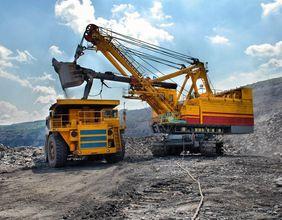
Asset Portfolio Strength: Ownership of quarries, construction materials, and equipment supports vertical integration
-
Infrastructure Exposure: Participation in large-scale projects tied to government spending
-
Earnings Stability: Diversified revenue streams that reduce reliance on a single segment
These elements form the basis of optimistic projections, but they also require consistent execution to sustain market confidence.
Business Model and Strategic Positioning
Integrated Operations
MAAS Group Holdings operates across multiple segments within the construction and infrastructure ecosystem. Its integrated model allows it to manage various stages of project delivery, from raw material extraction to final construction.
This structure provides several advantages:
-
Improved cost control
-
Enhanced operational efficiency
-
Greater flexibility in project execution
Asset Recycling and Capital Efficiency
Another key aspect of the company’s strategy is asset recycling. By redeploying capital from mature assets into new opportunities, the business aims to maintain growth momentum while strengthening its balance sheet.
This approach aligns with broader trends seen among companies in infrastructure-focused indices, including those within the ASX dividend stocks space, where consistent cash flows and disciplined capital use are highly valued.
Growth Drivers and Opportunities
Infrastructure Pipeline
One of the primary growth drivers for MAAS Group Holdings is its exposure to infrastructure development. Government-backed projects in transport, energy, and urban development continue to create opportunities for companies with established capabilities.
Geographic Expansion
Expansion into new regions and markets adds another layer of growth potential. By diversifying its geographic footprint, the company can reduce reliance on any single area and tap into emerging opportunities.
Operational Synergies
The integration of acquired businesses plays a crucial role in enhancing efficiency. Successful integration can lead to improved margins and stronger cash flow generation over time.
Key Risks to Consider
Project Execution Challenges
The success of the company’s strategy depends heavily on its ability to execute projects efficiently. Delays or cost overruns can impact profitability and investor confidence.
Regional Market Weakness
Variations in economic activity across regions can influence demand for construction and infrastructure services. Weakness in specific markets may create short-term headwinds.
Valuation Sensitivity
Trading at a premium relative to industry averages means that the company’s valuation is sensitive to changes in growth expectations. Any deviation from projected performance could lead to reassessment by the market.
Balancing Optimism and Caution
The current narrative surrounding MAAS Group Holdings reflects a balance between optimism about its long-term prospects and caution regarding short-term uncertainties. While the buy-back program highlights confidence in the company’s value, the broader valuation picture remains subject to evolving market conditions.
Investors often weigh such scenarios by considering both quantitative metrics and qualitative factors, including management strategy, industry trends, and macroeconomic influences.
The Bigger Picture in Australian Equities
MAAS Group Holdings’ journey is also part of a larger story within the Australian market. Companies operating in infrastructure and construction play a vital role in economic development, making them key components of indices such as the ASX 200.
As infrastructure investment continues to shape the economic landscape, businesses with strong operational foundations and strategic clarity are likely to remain in focus.
The ongoing buy-back activity by MAAS Group Holdings has brought renewed attention to its valuation and long-term growth narrative. While short-term market movements have introduced some uncertainty, the company’s integrated business model and infrastructure exposure continue to support its broader outlook.
The key question remains whether current market pricing fully reflects these strengths or whether further clarity on execution and growth will shape future perceptions. As the story unfolds, the interplay between strategy, performance, and market sentiment will remain central to understanding the company’s position.
