
 AUS
AUS
 NZ
NZ
 UK
UK
 CA
CA
 USA
USA
 IND
IND






Highlights
DroneShield operates within defence and security technology sector.
Counter-drone systems form core operational capabilities.
Technology firms contribute to innovation within ASX 300.
DroneShield operates within the ASX 300 defence technology sector, focusing on counter-drone systems and contributing to innovation and market participation.
The defence and security technology sector represents a specialised segment within the Australian equity market, contributing to innovation in surveillance, electronic systems, and protective technologies. Companies within this segment are involved in developing solutions that support infrastructure security and operational monitoring. These organisations are represented across indices such as the ASX 300, reflecting their integration into the broader equity landscape.
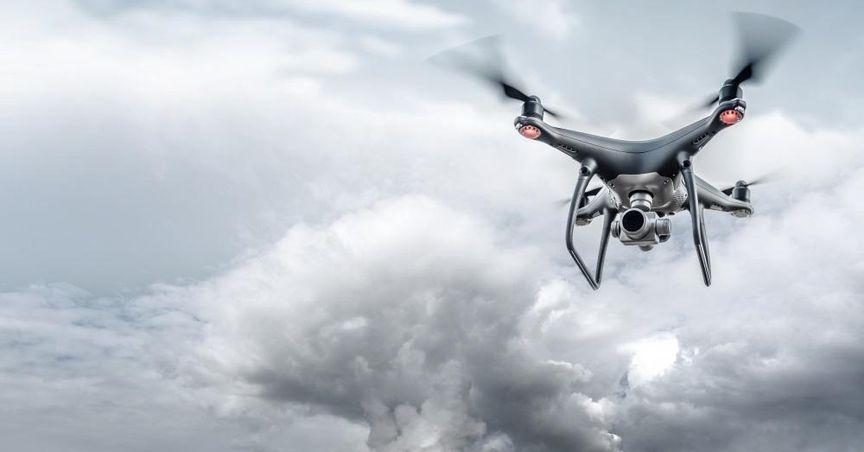
DroneShield Ltd (ASX:DRO) operates within the defence technology sector, focusing on counter-drone systems and electronic security solutions. The company’s activities are centred on addressing challenges associated with unmanned aerial systems through integrated platforms that support detection, identification, and mitigation processes.
Technology-driven organisations in this space typically engage in research, product development, and system deployment, combining engineering expertise with software capabilities. These activities require coordination across multiple technical disciplines to deliver operational systems.
Operational Framework and Counter-Drone Technology Systems
DroneShield’s operational structure focuses on the development and deployment of technologies designed to manage unauthorised drone activity. These systems include detection platforms, signal monitoring solutions, and electronic countermeasure technologies.
Detection systems utilise radio frequency sensors and monitoring tools to identify drone signals within operational environments. These technologies provide early-stage awareness and enable tracking of aerial objects.
Tracking mechanisms integrate multiple data streams to maintain situational awareness. These systems rely on communication networks and processing tools to monitor movement and support operational coordination.
Mitigation technologies are designed to manage drone activity through controlled disruption of communication signals. These systems operate within regulatory frameworks governing electromagnetic usage and communication standards.
The integration of detection, tracking, and mitigation capabilities reflects the complexity of counter-drone systems, requiring coordination across hardware and software platforms.
Defence Sector Dynamics and Technology Integration
The defence technology sector operates within a global environment shaped by security requirements and technological advancements. Companies within this segment develop systems that support surveillance, monitoring, and infrastructure protection.
DroneShield’s activities align with broader sector developments, where organisations focus on electronic warfare, signal intelligence, and countermeasure technologies. These developments are influenced by the increasing use of unmanned aerial systems across multiple industries.
Technology integration involves combining hardware components with software systems to deliver coordinated solutions. This integration supports data processing, communication, and system control within operational environments.
Companies within the defence technology sector also interact with government agencies, infrastructure operators, and commercial organisations. These interactions support the deployment of systems across various use cases.
The evolving nature of the sector reflects ongoing advancements in electronics, communication networks, and system integration.
Market Participation and Technology Sector Representation
Technology companies contribute to the diversity of the Australian equity market by representing innovation-driven sectors. Within classifications such as the asx all ords, defence technology firms operate alongside companies from industries including resources, healthcare, and financial services.
DroneShield’s presence within the market reflects the inclusion of specialised technology providers in equity indices. These companies contribute to market participation through research, development, and deployment of advanced systems.
The technology sector is characterised by continuous development of products and systems tailored to specific applications. Companies focus on delivering solutions that align with operational requirements across different industries.
Within broader classifications such as ASX dividend stocks, technology firms represent a distinct category, highlighting the varied financial and operational structures present within the market.
The participation of technology companies within indices supports the integration of innovation into the financial ecosystem.
Regulatory Environment and Industry Compliance
Companies operating within the defence technology sector must comply with regulatory frameworks governing product development, export controls, and operational deployment. These regulations ensure adherence to national and international standards related to security and technology use.
DroneShield operates within these frameworks, aligning its activities with regulatory requirements applicable to defence-related technologies. Compliance supports operational continuity and ensures adherence to established guidelines.
Regulatory considerations include licensing requirements, export regulations, and communication standards. These elements influence how companies develop and distribute their technologies.
The structured regulatory environment supports transparency and accountability within the sector, ensuring that systems are deployed responsibly.
Companies must also ensure compliance with technical standards related to system performance, safety, and interoperability, contributing to the reliability of deployed technologies.
Industry Evolution and Technological Advancements
The defence technology sector continues to evolve through advancements in electronics, artificial intelligence, and communication systems. Companies adapt to these developments by enhancing their technological capabilities and refining operational frameworks.
DroneShield’s focus on counter-drone systems reflects the increasing relevance of managing unmanned aerial activity within modern operational environments. These developments are influenced by the expanding use of drone technologies across various sectors.
Technological advancements contribute to improved system performance, data processing capabilities, and operational efficiency. These innovations support the development of integrated solutions.
Changes in operational requirements also shape the direction of the sector, with companies aligning their activities to address emerging challenges in security and infrastructure protection. The ongoing evolution of the defence technology sector highlights its role within the broader economic and technological landscape.
