
 AUS
AUS
 NZ
NZ
 UK
UK
 CA
CA
 USA
USA
 IND
IND







Highlights
Austal secures additional patrol boat contract within defence segment.
Shipbuilding operations highlight maritime manufacturing capabilities.
Sector developments align with broader industrial activity across ASX-listed companies.
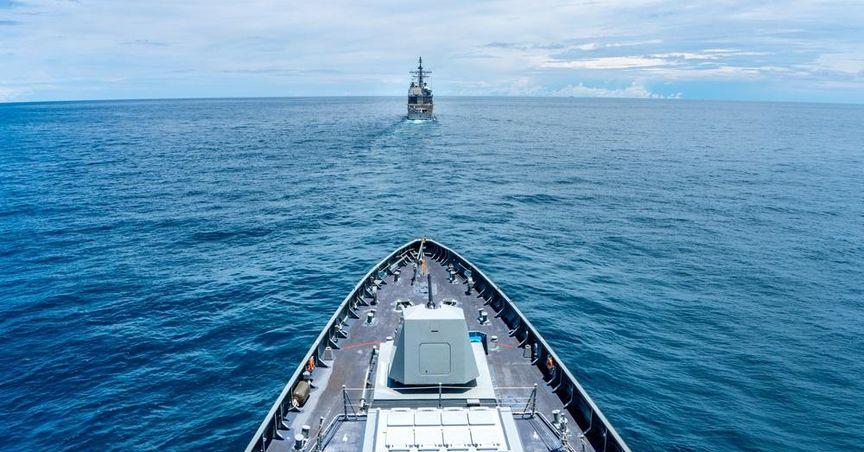
Austal advances defence shipbuilding activity with patrol vessel contracts, highlighting industrial sector developments and maritime manufacturing trends across ASX-listed companies.
The defence and industrial manufacturing sector continues to play a crucial role in Australia’s equity landscape, contributing to infrastructure development, national security projects, and global export activity. This sector is reflected across indices such as the ASX 200, where companies engaged in engineering, shipbuilding, and advanced manufacturing contribute to overall market performance. Defence contractors and maritime specialists operate within a structured environment driven by government agreements, technological expertise, and long-term project execution.
Austal Limited, a prominent entity in the shipbuilding industry (ASX:ASB), operates within the defence and commercial vessel construction segment. The company focuses on designing and manufacturing vessels for naval and security purposes, with operations spanning multiple international markets. Its recent contract developments highlight ongoing engagement within the maritime defence sector and reflect broader industry activity.
Patrol Boat Contract and Maritime Manufacturing Activity
Austal’s latest contract development involves the construction of additional patrol vessels, reinforcing its position within the defence shipbuilding sector. These vessels are designed to support maritime security operations, including coastal surveillance, border protection, and naval patrol activities. The contract contributes to the company’s project pipeline and reflects continued demand for specialised maritime assets.
Shipbuilding operations involve a combination of engineering design, materials procurement, and manufacturing processes. Austal utilises advanced construction techniques, including modular assembly and lightweight materials, to produce vessels tailored to operational requirements. These processes ensure that vessels meet performance standards and operational specifications required for defence applications.
The construction of patrol vessels requires coordination between engineering teams, suppliers, and regulatory authorities. Each stage of the process, from design to delivery, involves adherence to strict quality standards and compliance with defence industry guidelines. This structured approach supports the successful execution of maritime projects.
The broader industrial sector, including companies within the asx all ords, reflects similar patterns where engineering and manufacturing capabilities drive project development and sector participation.
Global Operations and Defence Sector Engagement
Austal operates within a global framework, delivering vessels to clients across multiple regions. The company’s facilities include shipyards located in key markets, enabling it to support both domestic and international defence programs. This global presence allows Austal to engage with a diverse range of clients, including government agencies and defence organisations.
Defence sector engagement involves long-term agreements that support the construction and maintenance of maritime assets. These agreements often include provisions for ongoing support services, such as maintenance, upgrades, and logistical assistance. Austal’s involvement in these programs reflects its role as a provider of specialised shipbuilding services.
International operations require compliance with regulatory standards across different jurisdictions. These standards govern aspects such as safety, environmental impact, and technical specifications. Austal coordinates its activities to ensure alignment with these requirements, maintaining consistency across its global operations.
The integration of defence contractors within indices such as the ASX 100 and ASX 300 highlights their contribution to industrial activity and market diversity. Their operations support both economic development and national security objectives.
Industrial Strategy and Operational Framework
Austal’s operational framework is centered on engineering excellence, project execution, and technological integration. The company invests in research and development to enhance vessel design, improve manufacturing efficiency, and support innovation within the shipbuilding sector.
Manufacturing processes involve precision engineering, quality control, and resource management. Shipyards operate with specialised equipment and skilled workforce capabilities, ensuring that construction meets technical and operational standards. These processes are integral to maintaining reliability and performance within the maritime sector.
The company’s industrial strategy also includes supply chain coordination, involving partnerships with suppliers and service providers. This coordination ensures the availability of materials and components required for vessel construction, supporting timely project delivery.
Companies categorized under ASX dividend stocks often reflect structured financial frameworks, while industrial firms like Austal prioritise operational investment and project execution. This distinction highlights the varied approaches within the ASX market.
Sector Trends and Defence Industry Developments
The defence and shipbuilding sector continues to evolve in response to technological advancements, geopolitical considerations, and infrastructure requirements. Companies within this sector focus on enhancing vessel capabilities, integrating advanced systems, and improving operational efficiency.
Technological developments include the use of digital design tools, automation in manufacturing, and advanced materials. These innovations support the creation of vessels that meet modern operational requirements while maintaining efficiency in production processes.
The demand for patrol vessels and maritime security assets reflects the importance of coastal protection and naval operations. Governments and defence organisations continue to engage with contractors to support these requirements, contributing to sector activity.
The alignment of these trends with broader market participation underscores the role of industrial companies within the ASX ecosystem. Their operations support infrastructure development, technological advancement, and economic activity across multiple sectors.
Operational Efficiency and Market Participation
Operational efficiency remains a central focus for companies within the shipbuilding sector. Austal implements processes to optimise resource utilisation, streamline manufacturing workflows, and enhance project delivery timelines. These efforts contribute to maintaining consistency in operations and supporting ongoing project commitments.
Market participation involves regular disclosure of operational updates, contract developments, and strategic initiatives. These disclosures provide insights into how companies are navigating industry conditions and maintaining their position within the market.
The presence of industrial and defence companies within indices such as the ASX 200 highlights their contribution to overall market performance. Their activities support a wide range of industries, including defence, transportation, and infrastructure.
Sector alignment involves adherence to regulatory standards, industry guidelines, and environmental considerations. Companies engage with stakeholders to ensure transparency and accountability, supporting the stability and functionality of the market.
