
 AUS
AUS
 NZ
NZ
 UK
UK
 CA
CA
 USA
USA
 IND
IND







Highlights
• Prescient Therapeutics advances clinical research programs focused on cancer treatment technologies.
• The company operates in the biotechnology and pharmaceutical development sector.
• Clinical trial activity represents an important stage in oncology research and medical innovation.
Prescient Therapeutics operates within the biotechnology sector conducting oncology research and clinical trial programs focused on developing cancer treatment technologies.
The biotechnology and pharmaceutical development sector forms a specialised component of the global healthcare industry. Companies operating within this field conduct scientific research, laboratory testing, and clinical studies designed to develop therapies targeting complex diseases. Biotechnology organisations frequently focus on medical areas such as oncology, immunotherapy, and genetic research. These technologies rely on advanced laboratory methods and molecular science aimed at understanding biological mechanisms associated with disease. Within Australia’s financial market environment, biotechnology companies operate alongside diverse sectors represented within indices such as the ASX All Ords.
Biotechnology organisations frequently conduct research programs involving targeted pharmaceutical compounds and cellular therapies. Prescient Therapeutics Ltd (ASX:PTX) operates within the biotechnology industry through clinical programs focused on cancer treatment technologies and cell therapy platforms.
Biotechnology companies often work in collaboration with research institutions, medical specialists, and regulatory authorities responsible for overseeing clinical testing processes.
Research programs typically involve laboratory investigations followed by clinical development stages designed to examine the safety and biological activity of new medical compounds.
The biotechnology industry operates within a broader healthcare ecosystem that includes pharmaceutical manufacturers, diagnostic technology providers, and academic research organisations.
Within Australia’s diversified equity market, biotechnology companies contribute to the broader composition of the asx all ords, which includes organisations across sectors such as financial services, resource extraction, industrial manufacturing, and telecommunications. The biotechnology sector therefore represents a key contributor to modern medical research and healthcare innovation.
Clinical Trial Programs and Oncology Studies
Clinical trial programs represent an essential stage in pharmaceutical development where experimental therapies undergo structured testing in controlled medical environments. These studies involve healthcare professionals and researchers who monitor how medical compounds interact with biological systems.
Clinical trials frequently focus on diseases such as cancer where targeted therapies are designed to interact with specific molecular pathways within cancer cells. Oncology research involves the study of tumour biology, genetic mutations, and cellular behaviour associated with cancer development.
Biotechnology companies developing oncology therapies often design pharmaceutical compounds capable of interacting with biological processes responsible for tumour growth. Clinical research programs involve multiple stages where medical professionals examine how experimental therapies behave within controlled treatment settings.
These programs generate scientific data regarding the biological effects of pharmaceutical technologies and their interaction with human physiology. Medical researchers carefully observe patient responses during clinical programs in order to collect detailed information about treatment behaviour.
Regulatory authorities evaluate the scientific data generated during these programs before approving therapies for broader medical use. Clinical trials therefore represent a critical element of pharmaceutical research and development within the healthcare industry.
Cellular Therapy and Immunotherapy Research
Cell therapy and immunotherapy represent emerging areas within biotechnology research focused on harnessing biological systems to address disease processes. These technologies utilise specialised cells or immune responses to target diseased tissues within the body.
Cellular therapy research involves modifying or engineering cells capable of interacting with specific biological pathways linked to disease. Immunotherapy research focuses on stimulating the body’s immune system to recognise and interact with abnormal cells. Biotechnology companies conducting research in these fields employ scientists specialising in molecular biology, immunology, and genetic engineering.
Laboratory research programs examine how cellular therapies interact with immune responses and disease mechanisms. Researchers frequently utilise advanced laboratory equipment and bioinformatics tools to study cellular activity at the molecular level. Scientific discoveries generated through these programs contribute to the understanding of disease mechanisms and therapeutic possibilities.
Biotechnology organisations often collaborate with academic institutions where specialised laboratories support ongoing scientific research. Cell therapy and immunotherapy research therefore represent expanding areas within modern biotechnology development.
Pharmaceutical Research Infrastructure and Laboratory Development
Pharmaceutical research requires extensive laboratory infrastructure designed to support scientific experimentation and drug development. Biotechnology companies maintain specialised facilities equipped with instruments used in chemical synthesis, molecular biology testing, and cellular experimentation.
Laboratory environments enable researchers to design and evaluate pharmaceutical compounds in controlled scientific conditions. Research teams often include chemists, molecular biologists, pharmacologists, and clinical specialists responsible for conducting scientific investigations.
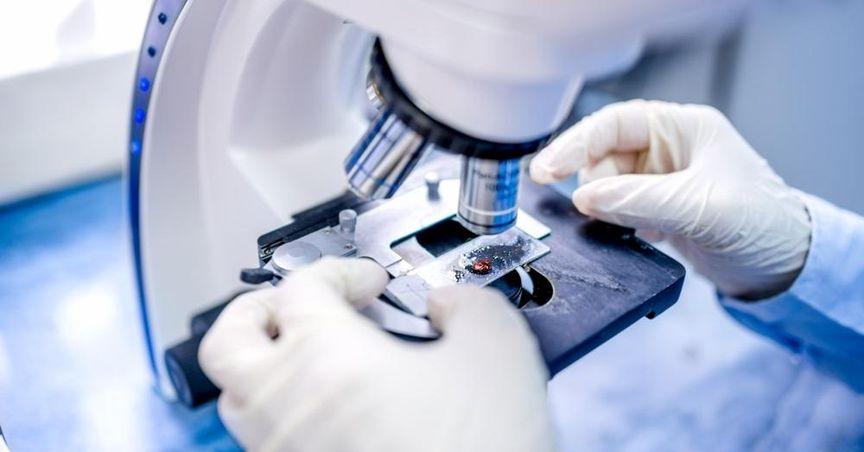
Laboratory experiments frequently involve examining how chemical compounds interact with biological cells and molecular pathways associated with disease. Advanced imaging technologies and genetic sequencing equipment allow scientists to observe cellular processes at microscopic levels. Biotechnology organisations also collaborate with hospitals and clinical research centres where medical professionals participate in clinical trial programs.
The integration of laboratory research with clinical testing allows biotechnology companies to translate scientific discoveries into potential therapeutic technologies. Pharmaceutical research infrastructure therefore plays a central role in the development of new medical treatments.
Within financial markets, biotechnology companies operate alongside corporations sometimes referenced within discussions related to broader investment themes such as ASX dividend stocks. Healthcare innovation therefore represents a multidisciplinary effort involving scientific research, medical expertise, and regulatory oversight.
Biotechnology Companies Within Australia’s Financial Market
Australia hosts an expanding biotechnology industry supported by research institutions, universities, and pharmaceutical development companies. These organisations contribute to international scientific collaboration and clinical research programs.
Biotechnology companies listed on the Australian Securities Exchange operate across various areas including oncology, immunology, infectious disease research, and genetic medicine.
Many of these companies collaborate with international research institutions and healthcare providers located across different regions. These partnerships allow scientific discoveries to move from laboratory research environments into clinical testing programs.
Biotechnology companies contribute to the broader healthcare ecosystem through scientific discoveries and medical technology development. The presence of biotechnology organisations within Australia’s equity market reflects the country’s role in global medical research. These companies operate alongside corporations across sectors such as mining, finance, energy, and technology within the national financial ecosystem.
The biotechnology industry therefore forms an important component of Australia’s scientific research landscape. Clinical research programs, laboratory discoveries, and pharmaceutical development activities continue shaping innovation within the healthcare sector.
