
 AUS
AUS
 NZ
NZ
 UK
UK
 CA
CA
 USA
USA
 IND
IND






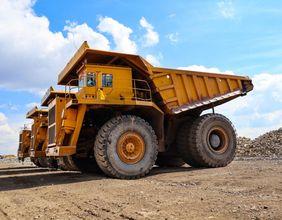

Scandium (Sc) production and refinement is notably scarce, as this critical metal is predominantly sourced as a by-product through the waste streams of other metals, including nickel, cobalt, uranium, and titanium. The absence of a dedicated standalone mine for scandium anywhere globally highlights its unique position in the resource landscape.
Currently, China holds a significant monopoly over the scandium supply chain, encompassing both feedstock production and the refinement of its oxides and metals. This dominance mirrors the patterns seen in other critical minerals, where Western nations have neglected to develop their own supply chains. As a result, reliance on Chinese sources has raised concerns about security and sustainability within the scandium market.
The growing recognition of scandium's importance in various industrial applications, particularly in aerospace, defense, and battery technologies, has sparked interest among market participants and analysts. Scandium's unique properties, including its ability to enhance the strength and durability of aluminium alloys, make it a sought-after material for high-performance applications. For instance, when added to aluminium, scandium can significantly improve the alloy's mechanical properties, making it ideal for use in lightweight structures such as aircraft and automotive components.
In addition to traditional industries, emerging technologies, such as solid oxide fuel cells and advanced battery systems, are driving the demand for scandium. These applications highlight the metal's potential to play a crucial role in the transition to cleaner energy solutions, thereby increasing its relevance in the modern economy.
Given its strategic significance and the growing interest in its applications, several ASX juniors are actively exploring and developing scandium deposits. These companies aim to reduce reliance on Chinese sources by establishing local production capabilities. By advancing exploration projects and developing processing technologies, these juniors are positioning themselves to capitalize on the anticipated demand for scandium in the coming years.
Moreover, the exploration efforts by these companies are supported by advancements in extraction technologies, which could enhance the feasibility of scandium production from existing waste streams. As the global focus shifts toward securing critical mineral supplies, these juniors may find themselves at the forefront of a burgeoning market.
In summary, the rarity of scandium production, combined with China's monopoly over its supply chain, presents both challenges and opportunities in the market. The growing demand for scandium across various industries underscores the importance of establishing alternative sources of supply, particularly through the efforts of emerging players in the ASX market. As these juniors work to develop their scandium deposits, the landscape for this critical metal may be poised for significant transformation.
