
 AUS
AUS
 NZ
NZ
 UK
UK
 CA
CA
 USA
USA
 IND
IND





Highlights
Silver market sentiment strengthens amid global industrial demand
Critical mineral designation supports long-term relevance
Growing applications span defence, clean energy and medical fields
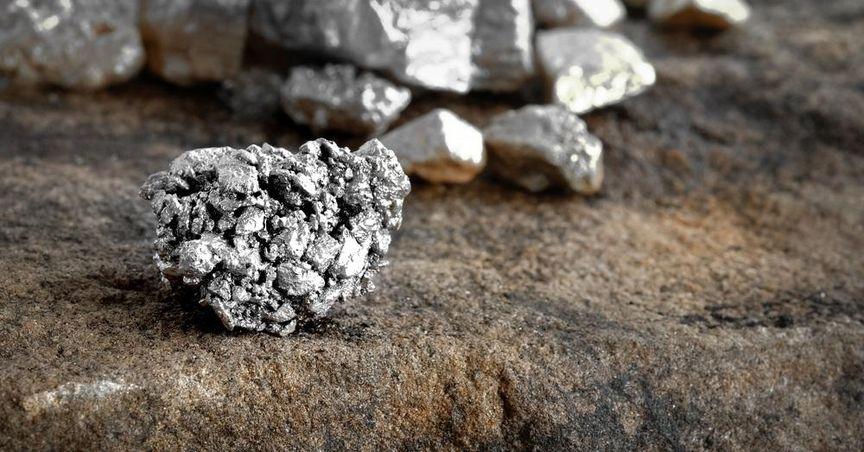
Silver’s expanding industrial relevance, critical mineral status and growing presence across medical, energy and technology sectors have strengthened global sentiment and shaped broader commodity-linked discussions across the Australian and global markets.
Silver’s market narrative has entered a new phase of global attention, driven by shifting industrial needs, broader commodity interest, and a renewed focus on strategic minerals. Strong sentiment has developed across major trading regions as demand expands into defence, clean energy infrastructure, advanced medical systems and consumer electronics. The evolving direction of the sector has also attracted interest from observers of the ASX 200, particularly as commodity-linked companies often influence broader market moods. With silver’s expanding role as both an industrial input and a strategic resource, the commodity’s momentum is shaping discussions across global markets.
What Is Driving Silver’s Strong Momentum?
Silver has entered a phase where multiple global forces intersect. A combination of rising industrial needs, shifting trade dynamics, energy transformation trends and new mineral classifications has contributed to a more active environment for the commodity.
Industrial Demand Expands Across Sectors
The broadening industrial landscape relies heavily on silver due to its conductive, reflective and antimicrobial qualities. Across energy storage, large-scale solar panel configurations, military technologies and defence systems, the metal plays a foundational role. These sectors continue to mature and adopt more silver-dependent components due to performance requirements. From advanced sensor systems to battery structures and communication infrastructure, the metal has become deeply embedded in a wide array of industrial processes.
Growing Presence in Consumer and Medical Technologies
Beyond heavy industry, everyday technologies utilise silver to support high-efficiency performance. Smartphones, computing devices, medical diagnostic instruments, wearables, and hospital equipment all include silver elements due to their reliability and antimicrobial strengths. The adoption of silver-based components in medical settings, from sterilisation systems to monitoring devices, further increases its relevance in health-oriented environments.
A Broader Energy Transition Anchors Silver Demand
Global shifts toward renewable energy platforms have amplified silver’s importance. Solar energy infrastructure requires silver as part of photovoltaic cell production. As countries continue to advance clean energy goals, solar uptake remains steady across regions, reinforcing the commodity’s strategic position. This trend shows continued alignment between silver and large-scale sustainability targets.
Why Is Silver’s Critical Mineral Status Important?
The recent addition of silver to the US national critical minerals list has become a defining moment for the commodity. This classification recognises the metal as essential for economic resilience, industrial stability and strategic security. The designation also reflects broader trends in supply chain restructuring and increased attention on minerals with key industrial purposes.
Strengthening of Industrial Priority Pathways
Being labelled as a critical mineral underscores silver’s relevance in supporting advanced manufacturing systems across multiple industries. This includes energy technologies, defence requirements, electronics manufacturing and communication systems. The classification increases the focus on securing adequate long-term supply to meet rising global requirements.
Supply and Demand Tightness in Global Markets
The designation occurred during a period of heightened supply-demand tension. Several regions have experienced extended phases of constrained silver supply, prompting increased interest in storage, transportation and availability. Industrial users have also been maintaining or expanding inventories due to cautious sentiment around future supply tightness. Market observers continue to track these developments closely due to their potential long-term influence.
Strategic Resource Planning Across Regions
Countries that depend on advanced technology manufacturing view silver as a resource that must remain available to support national infrastructure. The critical mineral classification signals to industries that long-term planning, research and investment may be required to maintain dependable access.
How Has the Market Responded to Silver’s Liquidity Shift?
Market behaviour surrounding silver has been shaped by global liquidity movements. A recent liquidity squeeze highlighted how supply chain pressure, storage concerns and broader economic conditions can converge to produce tightness across markets.
Record Storage Activity Reflects Strategic Concerns
Global storage levels have risen, with physical silver held in major vault networks to prepare for potential tariff or supply disruptions. Storage in large international vault systems illustrates how industrial users position themselves to ensure continuity of operations. These evolving behaviours also demonstrate an acknowledgement of silver’s greater role in global manufacturing pipelines.
Lease Rate Movements Signal Broader Market Tightness
Lease rates in commodity markets can reflect the level of availability. Movements in lease costs indicate that market participants have been actively adjusting to changing availability conditions. These developments are consistent with periods of increased industrial demand and constrained supply channels.
Expanding Discussion Around Silver’s Role in Strategic Reserves
Some regions are examining the potential for incorporating silver into broader strategic reserve frameworks. This demonstrates a new perspective on how silver fits into long-term national industrial planning, especially as sectors reliant on silver continue to grow.
How Does Silver’s Industrial Growth Influence Broader Market Sentiment?
Silver’s expanding relevance is shaping sentiment across global commodity markets. As investors, analysts and industrial stakeholders observe the increasing integration of silver into essential technologies, the commodity is seen as an anchor within several growing industries.
Energy Technology Momentum Drives Market Attention
The transition toward clean energy has made metals with renewable energy importance central to many manufacturing strategies. Silver’s role in photovoltaic systems aligns it with energy transition themes that continue to influence global market dynamics.
Medical Advancements Reinforce Silver’s Position
The integration of silver into medical-grade equipment provides an additional foundation for continued industrial relevance. Medical technology manufacturers rely on the metal’s antibacterial properties to support the development of hygiene-oriented technologies, advanced diagnostic tools and high-precision devices.
Defence and Aerospace Technologies Increase Usage
Many defence frameworks utilise silver in systems requiring high reliability and durable conductive materials. Communication networks, guidance technologies, high-performance sensors and aerospace systems incorporate silver components, making the metal essential for strategic sectors.
How Does the Silver Narrative Connect With ASX Sector Dynamics?
Australia maintains a significant presence in global commodities, making silver’s momentum a closely watched development across energy, mining and industrial networks. This broader commodity movement often intersects with multiple parts of the Australian market.
Australia’s Broader Mining Landscape Benefits From Attention
Interest in silver contributes to overall market engagement across Australian resource sectors. As discussions around strategic minerals grow, national mining activity at large receives additional attention. This supports ongoing exploration activity across the wider mineral ecosystem, including iron ore, lithium, nickel, copper and uranium.
Connection to Broader Commodity-Linked Interest
Silver’s industrial role aligns with evolving demand across several sectors that have historically held importance within Australian markets. These include solar energy systems, mineral processing, advanced manufacturing and renewable power technologies. The integration of silver into these fields mirrors broader market interests across Australian resource-linked industries.
What Does Silver’s Expanding Role Mean for Global Sector Themes?
Silver’s industrial applications offer insights into several global sector directions. As energy markets evolve, medical technologies advance and electronics upgrade, silver appears embedded in many core pathways of industrial development.
Advances in Renewable Technology
Solar panel manufacturers continue to refine systems that rely on silver-based conductive materials. The metal remains crucial for efficient energy conversion, and innovations in solar design often incorporate new structural improvements linked to silver.
Increased Adoption of Electrification Systems
Emerging electrification pathways, from transportation systems to industrial equipment, require reliable conductive inputs. Silver’s high conductivity ensures performance across high-demand circuits, power systems and electronic control structures.
Deeper Integration Into High-Tech Manufacturing
Manufacturers of consumer electronics, medical devices and communication technologies adopt silver components to enable functionality and reliability. Its role extends from circuitry to advanced sensor systems, positioning the metal as an essential part of high-performance manufacturing.
How Are Global Markets Adapting to Silver’s Expanding Usage?
International markets have observed increasing industrial reliance on silver, prompting a series of responses across supply chain networks, manufacturing sectors and strategic planning bodies.
Technology Manufacturers Scale Up Component Usage
As new products incorporate improved functionality and advanced electronics, silver’s integration intensifies. Manufacturers acknowledge the stable performance of the metal and its adaptability across different industrial processes.
Energy and Infrastructure Systems Require High Conductivity Inputs
Infrastructure projects linked to renewable energy, grid upgrades and power management systems incorporate silver into critical components. Its use helps support the stability and efficiency of energy distribution frameworks.
Healthcare Innovation Strengthens Silver’s Position
Medical sectors incorporate silver into a large number of devices and clinical tools. Its antibacterial properties enable its use in systems designed to maintain sterile environments.
How Do Keyword Themes Fit Within the Broader Commodity Landscape?
The Australian market includes diverse segments linked to resource activity, advanced manufacturing, and sector-wide commodities. Key keyword themes align with this broad environment.
ASX Mining Landscape
The evolving direction of the commodity sector continues to provide relevance to ASX mining stocks as new resource themes emerge and industrial input requirements expand.
Australian Market Hub
The wider national market ecosystem, including news and insights, is represented across the general ASX stock market, providing context for broader financial activity.
Top Tier Market Groups
Broader index-linked discussions often connect with ASX 100 frameworks as sectors shift and companies evolve.
Ordinaries Sector
The diversified nature of the ASX ordinaries stocks group highlights the extensive representation of industries active across the market.
Dividend-Linked Interest
Income-oriented investors often explore ASX dividend stocks to assess companies offering distribution-based returns.
These keyword dynamics provide broader context within Australia’s evolving market environment.
