
 AUS
AUS
 NZ
NZ
 UK
UK
 CA
CA
 USA
USA
 IND
IND


_04_27_2026_09_22_54_294563.jpg)




Highlights
- Broad weakness across multiple sectors pushed the benchmark lower for another session
- Utilities and Energy segments faced notable pressure while mining counters showed resilience
- Financials and technology names continued to struggle amid uneven market sentiment
The Australian equities landscape, particularly within the ASX 200, remained under pressure as multiple sectors moved lower, reflecting a cautious tone across the broader ASX stock market. This development unfolded alongside mixed signals from global markets, where international benchmarks maintained strength while domestic equities encountered headwinds. The Utilities and Energy segments weighed significantly on overall performance, while Materials provided partial support. Broader indices such as the All Ordinaries and ASX 100 also mirrored this pattern of uneven participation, reflecting divergence in sector performance.
Utilities Sector Faces Pressure Amid Corporate Developments
The Utilities segment recorded notable weakness during the session, driven largely by developments surrounding Origin Energy (ASX:ORG). The company reported softer revenue from its liquefied natural gas operations, accompanied by a revision in earnings expectations related to its international energy platform. These updates influenced sentiment within the Utilities space, contributing to broader declines across the segment.
The reaction within this sector highlights how company-specific developments can shape broader index performance, particularly when large-cap constituents are involved. Utilities often serve as a stabilizing component within diversified portfolios due to their essential service nature. However, fluctuations in earnings metrics and operational updates can still exert considerable influence on short-term movements.
This trend also aligns with ongoing shifts within global energy markets, where evolving demand patterns and cost structures continue to shape operational outcomes. As a result, Utilities stocks experienced downward movement, reflecting adjustments in market positioning.
Energy and Financials Extend Weakness Across the Market
The Energy sector also encountered downward movement, reflecting broader shifts in commodity dynamics. While global crude benchmarks experienced fluctuations, domestic energy counters remained under pressure, encompassing oil producers, coal operators, and uranium-linked entities. This sector-wide softness contributed to the overall decline in the index, reinforcing the negative momentum observed during the session.
Financial stocks added to the downward trajectory, continuing a pattern of recent softness. Major banking institutions contributed to this trend, with sector performance reflecting ongoing adjustments following corporate updates and broader market conditions. As a significant component of the benchmark, the Financials segment played a key role in shaping the direction of the index.
This combination of weakness in both Energy and Financials created a challenging backdrop for the broader market. These sectors typically hold substantial weight within benchmark indices, and their simultaneous decline often results in amplified overall movement. Within the context of the ASX 100, such sector dynamics further illustrate the interconnected nature of index performance.
Mining Stocks Provide Support Amid Commodity Strength
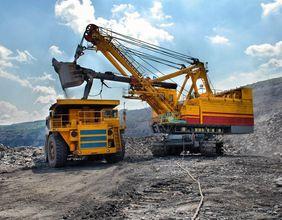
Amid widespread declines, the Materials sector emerged as a source of stability, with mining stocks delivering positive momentum. Major players such as BHP and Rio Tinto managed to recover from earlier weakness, contributing to an intraday rebound within the sector. This resilience was further supported by gains in smaller mining companies, particularly those involved in copper and lithium production.
The performance of ASX mining stocks reflected ongoing strength in select commodity markets. Lithium-related companies recorded gains as global pricing trends supported sentiment within the segment. Similarly, copper-focused entities displayed recovery after early-session declines, highlighting the dynamic nature of commodity-linked equities.
Gold stocks also demonstrated upward movement, with the sector trending higher throughout the session. This performance underscores the role of precious metals in providing diversification during periods of broader market softness. Within the ASX ordinaries stocks, mining companies continued to play a pivotal role in balancing sectoral weakness.
Technology and Communication Stocks Experience Downward Momentum
Technology stocks faced continued pressure, contributing to declines within the broader index. The sector’s movement contrasted with global technology benchmarks, which maintained strength. This divergence highlights the localized factors influencing Australian technology companies, including earnings updates and investor sentiment.
Communication services stocks also recorded notable declines, adding to the overall downward movement across growth-oriented sectors. These segments often exhibit higher sensitivity to changes in market sentiment, and their performance during the session reflected cautious positioning within the broader investment landscape.
The combination of declines in both Technology and Communication sectors contributed to the subdued performance of growth-oriented equities. This pattern also aligns with shifts observed in other segments of the ASX stock market, where sector rotation influenced overall index direction.
Consumer and Healthcare Segments Reflect Mixed Trends
Consumer-related sectors displayed varied performance, with discretionary stocks edging lower while staples experienced broader declines. This divergence reflects differences in demand patterns and operational dynamics across the consumer landscape. Retail-oriented companies faced modest pressure, while staple providers encountered more pronounced movement.
Healthcare stocks presented a mixed picture, with some resilience observed despite broader market weakness. However, ongoing softness in select large-cap healthcare names contributed to the overall cautious tone within the sector. This segment continues to play a significant role within both the ASX 200 and ASX 100, making its performance a key factor in broader index trends.
Additionally, interest in ASX dividend stocks remained relevant amid market fluctuations, as these equities often attract attention during periods of uneven sector performance. Their presence across various industries contributes to diversification within the broader market structure.
