
 AUS
AUS
 NZ
NZ
 UK
UK
 CA
CA
 USA
USA
 IND
IND







Highlights
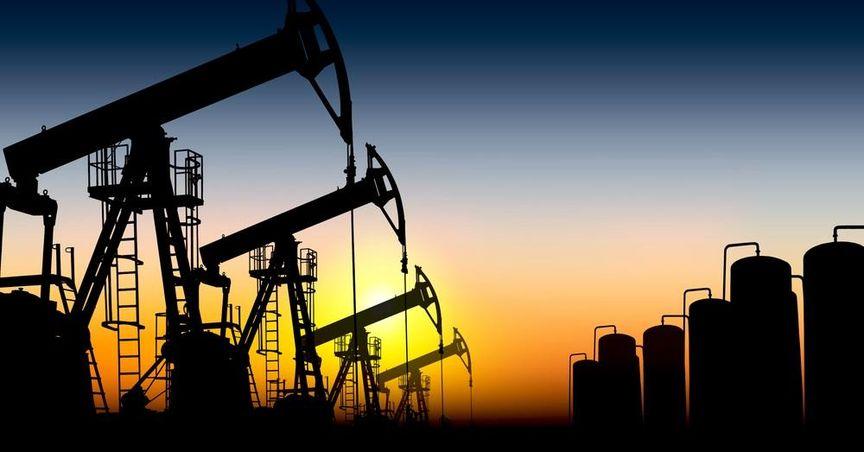
- Crude prices jumped sharply overnight, setting up a firm session for Australian oil and gas producers.
- Beach Energy's earnings sensitivity to crude movements is higher than that of the large-cap producers.
- Local shares opened softer on Tuesday, leaving energy names as one of the few bright spots on the board.
Beach Energy (ASX:BPT), the mid-cap oil and gas producer with operations across the Cooper Basin, the Otway Basin and offshore Western Australia, is the kind of name that moves first when crude runs hard. Oil prices surged overnight on renewed supply anxiety, and Australian producers opened the session with the wind at their backs even as the wider market drifted lower.
The contrast is stark. Australian shares eased on Tuesday after a weak Wall Street lead, and gold fell sharply, unwinding some of the safe-haven demand that had supported precious metals. Energy was the exception. When crude moves that decisively, the effect on the local resources board is immediate and difficult to ignore.
Why a mid-cap producer amplifies the move
Earnings sensitivity to the oil price is not uniform across the sector. Large producers carry a substantial base of long-dated liquefied natural gas contracts, many of them priced with a lag and partially insulated from spot crude swings. A mid-cap with a higher proportion of liquids production sold into prevailing markets feels the price change more directly in its cash flow.
That leverage cuts in both directions. A sharp rally lifts cash generation quickly. A sustained decline compresses it just as fast. It is why mid-cap energy names tend to trade with more volatility than their larger peers, and why they attract attention disproportionate to their market weight when the commodity moves.
The domestic gas story is the quieter one
Beneath the crude headlines, the east coast gas market has its own dynamics. Australian domestic gas demand is supported by industrial users and power generation firming, while supply from mature onshore basins is declining. That structural tightness has kept domestic contract pricing firm and made new supply projects strategically significant regardless of what Brent does on any given night.
Anyone watching ASX Energy Stocks will recognise that the domestic gas shortfall on the eastern seaboard has become one of the most persistent themes in Australian energy policy, drawing in regulators, manufacturers and generators alike. New onshore and offshore supply is treated as a national issue, not merely a corporate one.
Capital discipline is the differentiator
Mid-cap producers have learned a hard lesson over the past decade. Chasing production growth into a strong price environment, funded with debt, has ended badly often enough that the sector now leans towards disciplined capital allocation, controlled drilling programmes and a clear focus on free cash generation. Cost per barrel and reserve replacement matter more than headline output.
That discipline is what allows a company to survive a downturn without dilutive capital raising. It is unglamorous, and it rarely features in the day's price commentary, but it is the difference between a producer that benefits from a rally and one that merely survives it.
Supply anxiety, not demand strength
It is worth being precise about what is driving crude. The overnight move reflects concern about supply disruption rather than any surge in consumption. Geopolitical risk premiums are notoriously unstable. They inflate quickly when a shipping route or producing region looks threatened, and they deflate just as quickly when the threat recedes.
That instability argues for caution in reading too much into a single session. Australian producers benefit from higher realised prices while the premium persists, but the underlying supply and demand balance has not been transformed overnight. Cautious language is appropriate here, and most operators have themselves avoided declaring a new price era.
Where energy sits on the local board
Energy is a modest slice of the Australian market by weight, well behind financials and the iron ore majors. Within the ASX 200, however, it delivers something no other sector does: direct exposure to a globally traded commodity whose price responds to events on the other side of the world. On a day when the broader index is soft, that independence is on full display.
The signals to track from here are the durability of the current crude premium, east coast gas contract pricing, quarterly production and drilling updates, and any commentary on capital programmes. None of these will resolve quickly, and the sector's history suggests patience is more useful than urgency.
A rally worth understanding
Overnight commodity moves generate headlines and immediate share price reactions. What they do not generate is clarity. Australian oil and gas producers are exposed to a price they cannot influence, driven by events they cannot control. The companies that navigate that reality best are the ones that build their plans around the barrel they can rely on rather than the one they hope for.
