
 AUS
AUS
 NZ
NZ
 UK
UK
 CA
CA
 USA
USA
 IND
IND







Highlights
- Examination of Woolworths Group in the Australian consumer retail sector and operational efficiency.
- Overview of supply chain upgrades, distribution initiatives, and margin dynamics.
- Insights into revenue performance, operational improvements, and sector context.
Overview of Woolworths Group ASX 300 highlights operational efficiency, supply chain upgrades, and margin management in the Australian consumer retail sector.
The Australian consumer retail sector continues to navigate changing market conditions, including evolving consumer behavior, wage pressures, and competitive dynamics. ASX 300 listings include Woolworths Group (ASX:WOW), a major operator in food, grocery, and general merchandise retailing, managing extensive supply chains, distribution networks, and store operations.
Woolworths Group Overview
Woolworths Group operates supermarkets, liquor stores, and general merchandise outlets, providing essential goods and services to the domestic market. Woolworths Group (ASX:WOW) combines retail operations with logistics and distribution infrastructure, aiming to streamline supply chains and maintain service standards. The company’s structure incorporates store networks, online channels, and centralized warehouses to support operational efficiency.
Financial and operational planning focuses on cost management, margin preservation, and resource allocation for store upgrades and distribution enhancements. Woolworths Group maintains compliance with regulatory standards and implements sustainability initiatives across its operations.
Supply Chain Upgrades and Distribution Centers
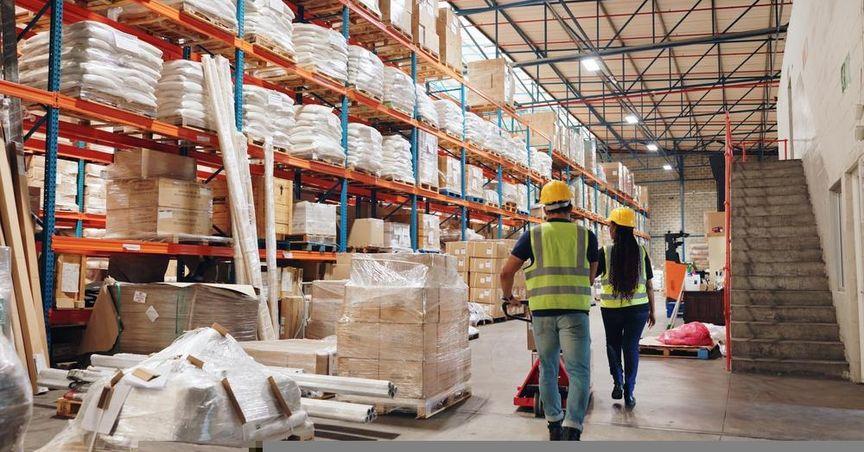
Woolworths Group (ASX:WOW) has been expanding and upgrading its supply chain and distribution centers to improve operational efficiency. Automation initiatives at distribution facilities such as Moorebank and Auburn are designed to enhance processing capacity, reduce handling time, and support store replenishment across multiple regions.
Operational management involves integrating automated systems, optimizing logistics, and coordinating warehouse operations. These measures are intended to improve throughput, reduce bottlenecks, and align with evolving consumer demand patterns.
Margin Dynamics in Consumer Retail
Margin pressures in the consumer retail sector arise from factors such as wage inflation, promotional activities, and price-sensitive shoppers. Woolworths Group (ASX:WOW) monitors these pressures through operational metrics, cost management strategies, and supply chain efficiency.
Operational initiatives, including streamlining store operations and optimizing inventory flow, support margin stability. Performance indicators track gross margins, cost per unit, and operational throughput to evaluate the effectiveness of these strategies.
Operational Efficiency and Technology Integration
Woolworths Group (ASX:WOW) leverages technology and process improvements to support operational efficiency. Automation, data analytics, and inventory management systems enhance store replenishment, reduce manual handling, and facilitate accurate demand forecasting.
System integration across stores, warehouses, and distribution centers enables coordinated operations, supports consistent product availability, and improves overall service quality. Operational teams oversee process performance, maintenance schedules, and technology implementation to maintain alignment with efficiency goals.
Revenue Performance and Sector Context
Revenue generation for Woolworths Group (ASX:WOW) is driven by supermarket and general merchandise sales, supplemented by online channels and ancillary services. Performance metrics track sales trends, product category performance, and geographic distribution to evaluate operational outcomes.
The consumer retail sector in Australia is influenced by changing consumption patterns, competitive pricing, and supply chain optimization. Woolworths Group aligns operational planning with these sector dynamics, emphasizing efficiency, service reliability, and inventory management.
Store Operations and Customer Engagement
Woolworths Group (ASX:WOW) operates a network of supermarkets and retail outlets supported by centralized logistics. Operational planning includes scheduling, inventory management, and staffing to maintain consistent service standards across locations.
Customer engagement strategies focus on product availability, streamlined shopping experiences, and effective loyalty programs. These measures support operational effectiveness and enhance the consistency of retail services.
Governance, Compliance, and Sustainability
Governance frameworks at Woolworths Group (ASX:WOW) emphasize regulatory compliance, environmental standards, and operational oversight. Internal monitoring ensures adherence to health, safety, and sustainability protocols across retail and distribution operations.
Sustainability initiatives include energy efficiency measures, waste reduction, and responsible sourcing programs. Operational teams are organized to implement compliance measures, monitor performance, and support strategic objectives in line with sector expectations.
Competitive Position and Market Dynamics
Woolworths Group (ASX:WOW) operates in a competitive environment alongside other major retailers such as Coles and ALDI. Market dynamics, including price competition, promotional intensity, and supply chain efficiencies, influence operational strategy and planning.
Competitive positioning is reinforced through operational efficiency, product availability, and distribution effectiveness. Woolworths Group aligns operations with market trends to maintain service standards and ensure reliability across retail channels.
