
 AUS
AUS
 NZ
NZ
 UK
UK
 CA
CA
 USA
USA
 IND
IND


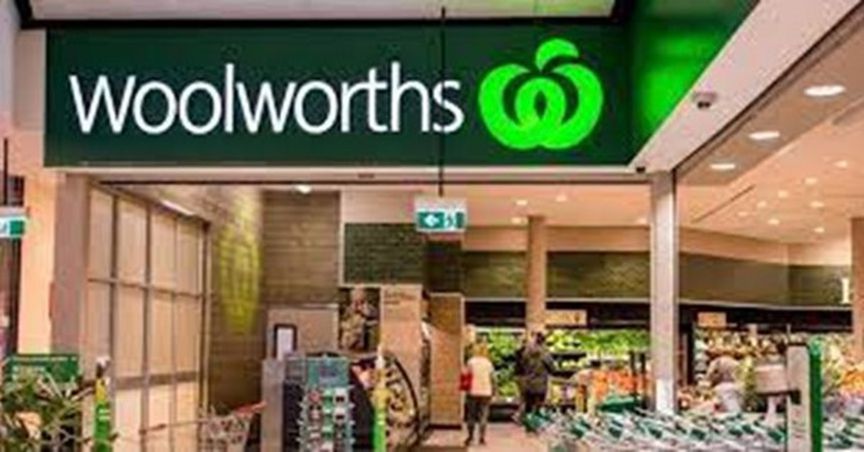





Shares of Australia's leading retailer, Woolworths (ASX: WOW), experienced a notable decline, falling by as much as 4.15% to AU$30.50 apiece on Thursday. This dip marks their lowest level since May 29, 2020. The downward trend comes amidst a cautious outlook among consumers and mounting cost-of-living pressures, despite a slowdown in inflation rates.
Woolworths, a prominent player in the Australian retail landscape, has encountered challenges in the third quarter, particularly within its largest division, Australian Food. Sales in this segment have lagged behind those of its smaller competitor, Coles (ASX: COL), prompting concerns among investors.
The company attributes the slowdown in sales to a shift in consumer spending habits following the festive Christmas season. Customers appear to have adjusted their budgets, exercising caution in their purchasing decisions amid economic uncertainties.
The stock's decline represents its most significant intraday percentage fall since February 21, reflecting investor apprehension regarding Woolworths' recent performance. Analysts have characterized the company's latest update as "very weak," noting that sales have fallen slightly below expectations and significantly trail those of Coles.
Jefferies, a global investment bank, expressed concerns over Woolworths' comparative sales figures, highlighting the material disparity between Woolworths and its competitor. The discrepancy in performance underscores the challenges facing Woolworths as it navigates a competitive retail landscape amidst evolving consumer preferences and economic conditions.
Year-to-date, Woolworths' stock has experienced a decline of 14.5%, reflecting broader concerns about the company's growth prospects and operational performance. The downward trajectory signals the need for Woolworths to address underlying issues and implement strategies to regain investor confidence and market competitiveness.
