
 AUS
AUS
 NZ
NZ
 UK
UK
 CA
CA
 USA
USA
 IND
IND




_06_15_2026_08_31_29_563066.jpg)

Highlights
- Consumer staples emerged as one of the stronger-performing sectors during midday trade.
- Materials stocks faced pressure as commodity-linked sentiment weighed on the sector.
- Defensive sectors attracted attention while resource-focused companies struggled to gain momentum.
Consumer staples stocks led ASX midday gains as investors favoured defensive sectors, while materials companies faced pressure from softer commodity-linked sentiment.
Australia's share market delivered a mixed performance during midday trading, with sector performance highlighting a divergence between defensive industries and commodity-linked businesses. Consumer staples stocks attracted buying interest as market participants gravitated towards businesses with stable demand profiles, while materials companies faced headwinds amid weaker sentiment across parts of the resources sector. The contrasting performances reflected broader market dynamics as investors balanced economic uncertainty, commodity market developments and sector-specific trends.
As trading progressed, attention remained focused on whether defensive sectors could maintain leadership while materials stocks attempted to recover lost ground.
Consumer Staples Lead the Market
Defensive Businesses Attract Interest
Consumer staples companies emerged among the stronger performers during the session.
Businesses operating in food, beverages, household products and everyday consumer goods often attract attention during periods of market uncertainty because demand for their products tends to remain relatively stable regardless of broader economic conditions.
This defensive characteristic can make consumer staples stocks appealing when volatility affects more cyclical sectors.
As a result, several companies within Australia's ASX Consumer Stocks sector outperformed the broader market during midday trade.
Stability Remains Attractive
Consumer staples businesses often benefit from predictable demand patterns and established customer bases.
These characteristics can support revenue resilience and operational stability during changing economic environments.
Market participants frequently rotate towards defensive sectors when seeking exposure to companies with relatively consistent business models.
The sector's strength during the session reflected this ongoing trend.
Materials Sector Faces Pressure
Resource Stocks Weigh on Performance
The materials sector struggled to keep pace with the broader market as sentiment weakened across several resource-related companies.
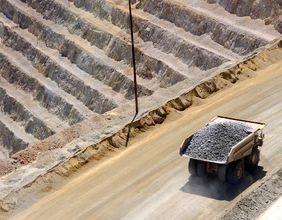
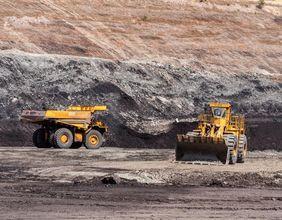
Australia's materials sector includes businesses involved in mining, metals production and commodity exploration, making it highly sensitive to changes in global commodity markets.
Fluctuations in demand expectations, supply conditions and international economic developments often influence sentiment towards the sector.
During midday trading, these factors contributed to softer performance across parts of the materials space.
Commodity Trends Influence Sentiment
Resource companies are closely linked to movements in commodity markets.
Changes in demand expectations for metals and minerals can influence outlooks across mining and exploration businesses.
As commodity sentiment shifted, materials stocks faced challenges in attracting the same level of support seen in more defensive sectors.
This divergence helped create one of the day's most notable sector contrasts.
Defensive Sectors Gain Momentum
Investors Seek Stability
The strength of consumer staples highlighted a broader theme emerging across the market.
During periods of uncertainty, market participants often favour businesses capable of generating relatively stable earnings and consistent demand.
Consumer staples companies frequently fit this profile due to the essential nature of their products.
This preference for stability helped support the sector's midday performance.
Sector Rotation Continues
Sector rotation remains a common feature of equity markets.
As economic expectations evolve, capital often moves between cyclical industries and defensive sectors depending on prevailing market conditions.
The latest trading session provided another example of this dynamic as consumer staples attracted interest while resource-related stocks lagged.
Materials Sector Remains Important
Resources Continue Supporting the Market
Despite weaker midday performance, the materials sector remains one of the most significant components of the Australian market.
Mining companies continue playing a major role in supporting exports, economic activity and market capitalisation.
The sector's performance often reflects broader trends occurring across global commodity markets and industrial demand.
As a result, short-term weakness does not necessarily alter the sector's long-term importance.
Commodity Demand Still Matters
Demand for minerals and metals remains closely linked to global infrastructure activity, manufacturing trends and energy transition initiatives.
Companies operating within Australia's ASX Metal & Mining Stocks sector continue monitoring these themes as they shape future opportunities and challenges.
The sector's outlook remains heavily influenced by developments occurring across international commodity markets.
Broader Market Themes Remain in Focus
Mixed Sentiment Across Sectors
The midday session demonstrated how different sectors can respond differently to prevailing market conditions.
While defensive businesses attracted support, more cyclical industries experienced greater pressure.
This divergence highlights the importance of sector-specific drivers in shaping overall market performance.
Investors continue evaluating economic indicators, commodity trends and company-specific developments when determining sector allocations.
Looking Ahead
Several themes are likely to remain important through the remainder of the trading session:
- Commodity market developments
- Global economic sentiment
- Defensive sector performance
- Resource stock activity
- Consumer demand trends
These factors may continue influencing sector leadership as trading progresses.
What Today's Sector Moves Reveal
The contrast between consumer staples and materials stocks highlights the shifting preferences currently influencing the Australian market.
Defensive sectors benefited from their perceived stability, while commodity-linked businesses faced pressure from weaker resource sentiment.
Although sector leadership can change quickly, today's midday performance suggests market participants remain selective, favouring businesses with resilient demand profiles while taking a more cautious approach towards commodity-sensitive sectors.
