
 AUS
AUS
 NZ
NZ
 UK
UK
 CA
CA
 USA
USA
 IND
IND


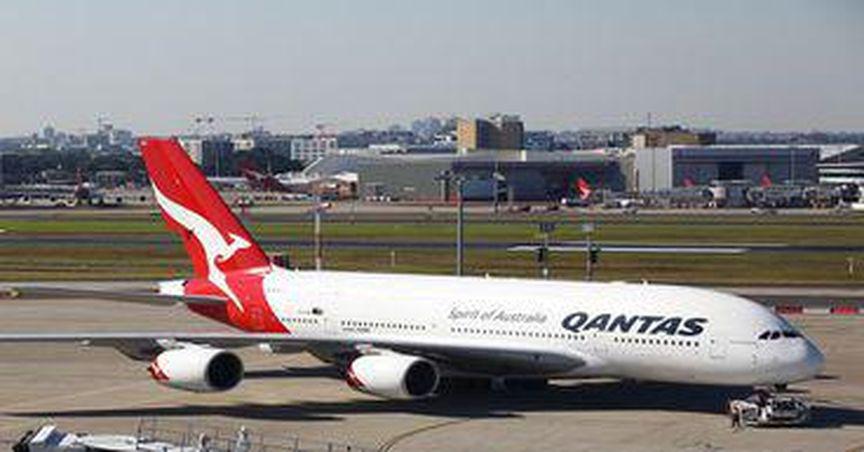





In a significant legal battle, the Transport Workers Union (TWU) is spearheading efforts to hold Qantas (ASX: QAN) accountable for what it considers the largest case of illegal job outsourcing in Australia's corporate history. The lawsuit stems from Qantas' decision to outsource the roles of nearly 1700 ground staff across ten Australian airports during the COVID-19 pandemic, a move deemed to contravene the Fair Work Act. Despite Qantas' assertions that outsourcing was necessary to mitigate pandemic-related financial strains, the court's prior ruling against the airline and the ensuing legal action highlight the contentious nature of the issue. This article delves into the intricacies of the case, exploring the legal proceedings, compensation demands, and the broader implications for both Qantas and affected workers.
Qantas' Controversial Outsourcing Decision
Qantas' outsourcing decision, which aimed to save over $100 million annually, faced immediate scrutiny and legal challenges. Despite the airline's argument that outsourcing was essential for financial sustainability amid the pandemic, the court ruled against Qantas, citing violations of the Fair Work Act. This decision laid the foundation for the ongoing legal battle and underscored the gravity of the situation for affected workers.
Legal Proceedings and Compensation Demands
As legal proceedings unfold, the court is set to hear three test cases to determine the appropriate level of financial compensation for affected workers. TWU's lawyer, Josh Bornstein, has emphasized the substantial nature of the compensation demanded, potentially running into millions of dollars. Additionally, Qantas faces the possibility of multimillion-dollar penalties for breaching labor laws, further complicating the legal landscape for the airline.
Impact on Workers and TWU's Advocacy
The plight of affected workers, exemplified by Don Dixon's hopeful yet poignant remarks, underscores the human toll of Qantas' outsourcing decision. Many workers have endured significant personal and financial hardships, including property loss and family breakdowns, amplifying the urgency of securing fair compensation. TWU's advocacy reflects a broader commitment to safeguarding workers' rights and holding corporations accountable for their actions, amplifying the significance of the legal battle beyond individual grievances.
Legal Challenges and Court Dynamics
Despite the legal complexities involved, challenges have arisen, including criticism directed at union lawyers for delays in bringing certain compensation claims to the forefront. Justice Michael Lee's admonishment underscores the need for expeditious legal proceedings to ensure timely compensation for affected workers. Furthermore, the court's efforts to prioritize the case highlight the importance of swift resolution in mitigating the lingering effects of Qantas' outsourcing decision.
Ongoing Efforts and Qantas' Response
As legal proceedings progress, both TWU and Qantas remain steadfast in their respective positions. TWU continues to advocate for comprehensive compensation and justice for affected workers, reaffirming its commitment to upholding workers' rights. Conversely, Qantas has expressed regret over the personal impact of its outsourcing decision and aims to facilitate fair compensation promptly, signaling a potential willingness to address the grievances raised by TWU and affected workers.
