
 AUS
AUS
 NZ
NZ
 UK
UK
 CA
CA
 USA
USA
 IND
IND






Highlights
Technology and retail sectors contribute to broader ASX market activity.
Woolworths remains a key participant within consumer-driven segment.
Market movement reflects sector-wide participation across leading companies.
Technology and retail sectors drive ASX market activity, with Woolworths and leading firms contributing to index movement and reflecting broader economic trends.
The Australian equity market includes a diverse mix of industries, with technology and retail sectors playing an increasingly visible role in overall market activity. These sectors are represented across major indices such as the ASX 100 and ASX 50, which track leading companies across the market. Movements within these indices often reflect developments across large-cap stocks that influence broader economic trends.
Woolworths Group (ASX:WOW) operates within the retail sector and remains a significant participant in consumer-focused market activity. Alongside technology companies, its presence highlights the interaction between essential goods distribution and digital-driven industries. The combination of retail stability and technological advancement reflects the evolving composition of the ASX.
Retail Sector Influence and Consumer Market Activity
Retail companies play a central role in shaping market activity by reflecting consumer demand and supply chain efficiency. Woolworths operates across grocery and everyday consumer goods, maintaining extensive distribution networks that support regional and national markets. The company’s operations are closely linked to consumer purchasing patterns, inventory management, and logistics systems.
The retail sector encompasses a wide range of activities, including sourcing, warehousing, and product distribution. Companies in this segment maintain large-scale operations designed to ensure the availability of goods across multiple locations. These operations contribute to economic activity by supporting employment, trade, and consumption.
Consumer-driven sectors also influence broader market sentiment through their responsiveness to economic conditions. Retail companies often adapt their operational frameworks to align with changing demand patterns, ensuring continuity of service across their networks.
The presence of retail companies within indices such as the ASX All Ordinaries highlights their contribution to the overall market structure.
Technology Sector Participation in Market Activity
The technology sector has become an integral component of the ASX, contributing to innovation and digital transformation across industries. Technology companies operate within areas such as software development, data management, and digital infrastructure, supporting a wide range of economic activities.
Participation from technology firms reflects the increasing reliance on digital systems within both consumer and industrial applications. These companies provide solutions that enhance efficiency, connectivity, and operational performance across sectors. Their inclusion within major indices underscores their role in shaping modern market dynamics.
Technology-driven activity also intersects with global trends, where digital infrastructure supports communication, commerce, and information exchange. Companies within this segment often collaborate with other industries, including retail and financial services, to deliver integrated solutions.
The integration of technology within the ASX reflects the broader shift towards digitalisation, where innovation plays a key role in supporting economic activity.
Sector Integration and Market Performance Drivers
The interaction between retail and technology sectors illustrates the interconnected nature of modern markets. Retail companies increasingly rely on digital systems to manage operations, including inventory tracking, online sales platforms, and customer engagement tools. Technology companies, in turn, provide the infrastructure that supports these capabilities.
This integration contributes to overall market activity, where developments in one sector influence operations in another. For example, advancements in digital platforms can enhance retail efficiency, while consumer demand drives the adoption of new technologies. This dynamic relationship highlights the importance of cross-sector collaboration within the market.
Companies within these sectors contribute to the composition of major indices, reflecting their influence on market activity. Their operations support a wide range of economic functions, from goods distribution to digital services, reinforcing their role within the broader market ecosystem.
These developments also align with broader categories such as ASX dividend stocks, where established companies maintain structured operational frameworks.
Market Representation Across ASX Indices
The Australian equity market is structured around indices that represent different segments of the economy. Indices such as the ASX benchmarks include companies from various sectors, providing a comprehensive view of market activity. The inclusion of retail and technology companies within these indices highlights their importance in shaping market dynamics.
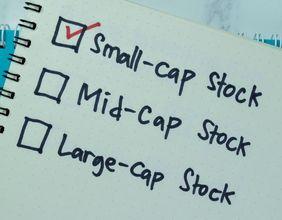
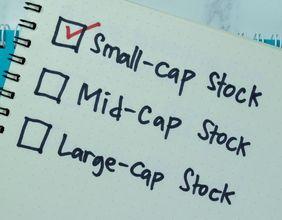
Large-cap companies within indices such as the ASX reflect the scale and diversity of the market. Their operations contribute to economic output, employment, and sector development. The representation of multiple industries within these indices underscores the complexity of the market and its reliance on diverse sectors.
Market activity is influenced by developments within individual companies as well as broader economic conditions. Companies operating in retail and technology sectors continue to adapt to changing environments, ensuring continuity of operations and alignment with market requirements.
The ongoing participation of companies such as Woolworths and leading technology firms highlights the evolving nature of the ASX, where sector integration and operational efficiency contribute to overall market activity.
Broader Market Trends and Sector Participation
The ASX continues to reflect a combination of traditional and emerging industries, where sectors such as retail and technology operate alongside resources and financial services. This diversity supports a balanced market structure, enabling participation across different areas of the economy.
Retail companies contribute to consumer-driven activity, while technology firms support innovation and digital transformation. Together, these sectors influence market trends by shaping operational practices and industry developments.
The integration of these sectors within the broader market framework highlights the importance of adaptability and collaboration. Companies continue to evolve their strategies to align with changing conditions, ensuring that their operations remain relevant within the market landscape. Developments within these sectors reflect the dynamic nature of the ASX, where multiple industries contribute to overall activity and economic performance.
