
 AUS
AUS
 NZ
NZ
 UK
UK
 CA
CA
 USA
USA
 IND
IND







Highlights
Cannabis sector operates within healthcare and biotechnology industries.
Regulatory frameworks influence operational activity across companies.
Market participation linked to research, production, and distribution systems.
Cannabis sector activity reflects developments across healthcare, biotechnology, and regulatory systems linked to production, research, and distribution within ASX 200 markets.
The cannabis sector operates within the broader healthcare and biotechnology industry, involving pharmaceutical research, cultivation systems, and medical product development. Companies engaged in this space remain connected to wider market participation across the ASX 200, where healthcare providers, biotech firms, and pharmaceutical businesses contribute to operational activity. Sector participation reflects developments across medical research, regulatory frameworks, and production systems supporting therapeutic applications.
Companies such as Cann Group Limited (ASX:CAN), Althea Group Holdings Limited (ASX:AGH), and Little Green Pharma Ltd (ASX:LGP) operate within this environment through cultivation, product development, and distribution systems linked to medical cannabis applications. These organisations remain associated with healthcare infrastructure involving research laboratories, manufacturing facilities, and patient access systems supporting treatment frameworks.
The cannabis sector remains interconnected with pharmaceutical supply chains, clinical research systems, and regulatory authorities governing medical product approval. These systems influence operational frameworks across companies, ensuring compliance with healthcare standards and industry requirements. Businesses within this segment continue integrating scientific research with production and distribution networks.
Cannabis companies operate through cultivation facilities, processing units, and distribution channels that support product availability across healthcare systems. These operations contribute to broader participation within pharmaceutical and biotechnology sectors, linking production systems with patient access frameworks.
Regulatory Frameworks and Industry Structure
Regulatory systems play a central role in shaping cannabis sector activity through licensing requirements, compliance standards, and product approval processes. Companies operating in this industry must adhere to strict regulatory guidelines governing cultivation, manufacturing, and distribution of cannabis-based products.
These frameworks involve oversight from health authorities, pharmaceutical regulators, and government bodies responsible for ensuring safety and compliance within the industry. Regulatory systems define operational boundaries and influence the structure of cannabis-related businesses across regions.
Cannabis companies operate within legal frameworks that determine product categories, distribution channels, and market access conditions. These structures influence the availability of medical cannabis products and guide the development of healthcare solutions within the sector.
Within the broader ASX 100, healthcare and biotechnology companies contribute to regulatory-driven activity across pharmaceutical and medical product development systems. These businesses operate within structured environments shaped by compliance requirements and research standards.
Regulatory developments continue influencing the operational frameworks of cannabis companies, shaping production processes, research initiatives, and distribution systems across healthcare markets.
Production Systems and Supply Chain Integration
Cannabis production involves cultivation, processing, and distribution systems supporting the delivery of medical and therapeutic products. Companies in this sector operate through controlled environments designed to maintain product quality and consistency across supply chains.
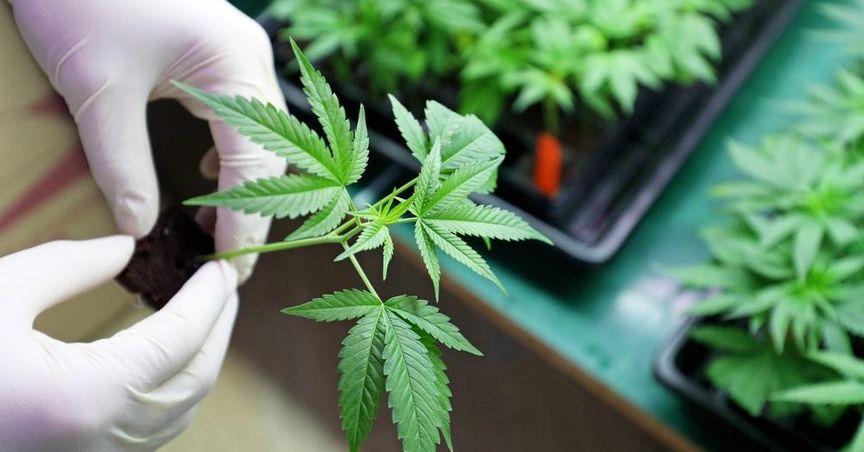
Cultivation facilities utilise agricultural techniques combined with scientific methods to produce cannabis plants used in medical applications. These systems involve environmental controls, quality monitoring, and harvesting processes aligned with regulatory standards.
Processing facilities transform raw plant material into pharmaceutical products, including oils, extracts, and formulated treatments. These processes require specialised equipment and adherence to manufacturing standards within the healthcare sector.
Supply chain systems support the movement of products from cultivation facilities to distribution channels, including pharmacies, healthcare providers, and export markets. Logistics infrastructure plays a key role in ensuring product availability and maintaining quality across regions.
Within the broader ASX 300, companies engaged in healthcare, logistics, and manufacturing contribute to supply chain integration supporting cannabis sector operations. These businesses enable coordination across production and distribution networks.
Production systems remain interconnected with research facilities, regulatory bodies, and distribution networks, forming a comprehensive framework supporting cannabis industry activity.
Research, Development, and Medical Applications
Research and development activities remain central to the cannabis sector, focusing on the therapeutic applications of cannabis-based compounds. Companies invest in clinical research, laboratory testing, and product formulation to support medical use within healthcare systems.
Scientific research explores the properties of cannabinoids and their applications in treating various medical conditions. These studies involve collaboration with research institutions, healthcare providers, and regulatory authorities.
Product development includes the creation of pharmaceutical formulations designed to deliver controlled dosages and consistent outcomes. These products undergo testing and validation processes before reaching healthcare systems.
Medical applications of cannabis products include treatments for conditions requiring specialised therapeutic approaches. Healthcare providers integrate these products into treatment plans based on regulatory approval and clinical research findings.
The ASX All Ordinaries reflects companies operating across healthcare, biotechnology, and pharmaceutical sectors contributing to research and development activities within the cannabis industry.
Research systems remain interconnected with production processes, regulatory frameworks, and healthcare infrastructure, supporting the development of cannabis-based medical solutions.
Market Participation and Sector Connectivity
Market participation within the cannabis sector remains interconnected with multiple industries including healthcare, biotechnology, agriculture, and logistics. Companies operating within this environment contribute to the broader ecosystem supporting medical product development and distribution.
The category of ASX dividend stocks includes healthcare and infrastructure companies connected to operational systems supporting pharmaceutical and medical sectors. These businesses contribute to broader market participation through service delivery and infrastructure development.
Financial systems support cannabis companies through capital allocation, funding mechanisms, and transaction processing. These systems enable companies to manage operational frameworks and support research and production activities.
Technology infrastructure also plays a role in supporting data management, research coordination, and operational efficiency within cannabis companies. Digital systems enable companies to manage workflows and maintain connectivity across operations.
Agricultural systems contribute to cultivation processes, integrating farming techniques with scientific methods to produce cannabis plants used in medical applications. These systems remain essential for maintaining production quality and consistency.
Logistics networks support the distribution of cannabis products across regions, ensuring delivery to healthcare providers and patients. These systems enable coordination across supply chains and support market participation.
Healthcare systems integrate cannabis products into treatment frameworks, linking research, production, and patient care within a unified operational structure. These integrations highlight the interconnected nature of industries within the cannabis sector.
