
 AUS
AUS
 NZ
NZ
 UK
UK
 CA
CA
 USA
USA
 IND
IND





Highlights
• ASX 200 outlook shaped by global macroeconomic developments.
• Energy sector reflects movement linked to oil market activity.
• Financial and industrial sectors respond to external conditions.
ASX 200 morning outlook reflects global market signals, with energy, financial, and materials sectors shaping early market direction.
The Australian equity market spans a broad mix of sectors including financials, energy, materials, and technology, each contributing to overall performance. These industries collectively shape indices such as the ASX 200, reflecting the performance of leading companies across the exchange.
Major companies such as BHP Group Ltd (ASX:BHP), Woodside Energy Group Ltd (ASX:WDS), and Commonwealth Bank of Australia (ASX:CBA) represent key sectors including mining, energy, and financial services within this market structure. These companies contribute to index activity through their operational presence and sector influence.
Market direction in morning sessions is often influenced by global developments, including movements in commodity markets and central bank policy signals. These factors shape how sectors participate in early trading activity.
Within the broader ecosystem often described as the asx all ords, companies across industries contribute to the composition and dynamics of the Australian equity market.
Energy Sector Activity and Oil Market Influence
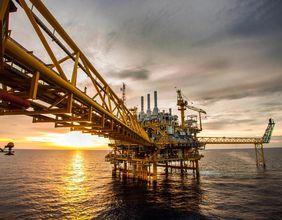
The energy sector plays a significant role within the Australian equity market, particularly through companies involved in oil and gas production. Firms such as Woodside Energy Group Ltd (ASX:WDS) and Santos Ltd (ASX:STO) contribute to this segment.
Oil market movements influence the energy sector by shaping revenue conditions and operational activity. Changes in global supply and demand, as well as geopolitical developments, affect how energy companies operate within the market.
The sector’s participation within the ASX 200 reflects its importance in supporting industrial activity and global energy supply. Energy companies often respond to international market conditions due to the global nature of commodity trading.
Activity within this sector contributes to broader market dynamics and highlights the interconnected relationship between global and domestic markets.
Across the broader equity landscape, companies are also associated with ASX dividend stocks, reflecting income-focused segments alongside commodity-driven industries.
Financial Sector Response to Monetary Conditions
The financial sector, including major banks such as Commonwealth Bank of Australia (ASX:CBA) and Westpac Banking Corporation (ASX:WBC), plays a central role in shaping market participation. These institutions facilitate lending, capital allocation, and financial services across the economy.
Monetary policy signals from central banks influence financial sector activity by affecting borrowing costs and liquidity conditions. These factors shape how banks operate and interact with customers.
Financial institutions contribute significantly to indices such as the ASX 200 due to their size and market presence. Their participation often reflects broader economic conditions and policy environments.
The sector’s role highlights the importance of financial services in maintaining economic stability and supporting business operations.
Materials Sector and Commodity Market Dynamics
The materials sector includes companies involved in the extraction and processing of resources such as iron ore, gold, and base metals. BHP Group Ltd (ASX:BHP) and Rio Tinto Ltd (ASX:RIO) represent key participants within this segment.
Commodity market conditions influence the materials sector by shaping production activity and trade flows. These conditions are often linked to global demand and industrial output.
Mining companies contribute significantly to the ASX 200, reflecting the importance of resource industries within the Australian economy. Their operations support both domestic and international markets.
The interaction between commodity markets and industrial activity highlights the interconnected nature of the materials sector within the broader economy.
Sector Interaction and Market Breadth
Market breadth refers to the level of participation across different sectors within the equity market. Broad participation indicates activity across multiple industries, contributing to overall market direction.
The ASX 200 captures this diversity by including companies from financials, energy, materials, healthcare, and technology. This ensures that the index reflects a wide range of economic activities.
Sector interaction highlights how developments in one industry can influence others. For example, changes in energy markets may affect industrial activity, while financial conditions can impact consumer spending.
The interplay between sectors contributes to a dynamic market environment where multiple industries shape overall performance.
Broader Economic Context and Global Influence
The Australian equity market operates within a global framework where international developments influence domestic activity. Factors such as commodity demand, monetary policy, and geopolitical events contribute to market behaviour.
Companies across sectors respond to these influences through operational adjustments and strategic initiatives. These responses shape market participation and reflect the complexity of the equity landscape.
Indices such as the ASX 200 provide a comprehensive view of how different sectors contribute to overall market activity. The inclusion of diverse industries underscores the importance of sector-level developments. Understanding these dynamics offers insights into how global and domestic factors interact within the Australian equity market.
