
 AUS
AUS
 NZ
NZ
 UK
UK
 CA
CA
 USA
USA
 IND
IND




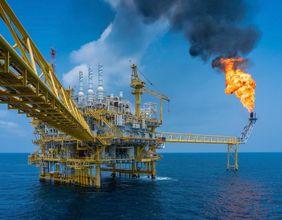



Oil prices experienced a notable increase this morning as disruptions in Libya's oil exports, coupled with expectations of a more aggressive Federal Reserve rate cut, created a bullish environment for crude. West Texas Intermediate (NYSE:WTI) crude rose over 2%, settling above $70 per barrel, while Brent crude futures closed just under $73 per barrel. These gains occurred despite broader concerns about rising non-OPEC output and signals of weakening demand from major markets like the U.S. and China.
Libyan Exports and Political Impasse
Libya’s oil exports have sharply declined due to ongoing political tensions surrounding the control of the country’s central bank. United Nations-led negotiations have yet to resolve the deadlock, leading to continued disruptions in Libya’s oil production. As a major OPEC member, Libya's internal conflicts have frequently impacted its oil infrastructure, making it a volatile factor in global oil markets.
The uncertainty surrounding Libyan production has tightened the global oil supply, with traders and analysts monitoring the situation closely to gauge the duration of these disruptions.
Impact of U.S. Federal Reserve Rate Expectations
Oil prices have also been influenced by expectations that the U.S. Federal Reserve may implement a rate cut for the first time in over four years. Speculation about a more aggressive rate cut, potentially by up to half a percentage point, has driven anticipation about its potential impact on oil demand and prices. Typically, lower interest rates weaken the U.S. dollar, making oil more attractive to international buyers due to its dollar-denominated pricing.
Traders are closely following the Federal Reserve's policy stance, with the possibility of a rate cut potentially boosting economic activity and, consequently, energy demand. The combination of geopolitical supply disruptions and monetary policy expectations has contributed to the recent rise in crude prices, despite longer-term concerns about demand softening.
U.S. Gulf of Mexico Production Disruptions
In addition to the situation in Libya, U.S. oil production has faced disruptions due to recent storm activity. According to the Bureau of Safety and Environmental Enforcement (BSEE), approximately 12% of oil production in the Gulf of Mexico remains shut in following Hurricane Francine, which made landfall on the Louisiana coast last week. The storm has forced several offshore platforms to halt production, exacerbating supply constraints in the global oil market.
These production outages are expected to continue affecting U.S. supply in the short term, although efforts are underway to resume operations as weather conditions improve. Any further delays could contribute to tighter supply conditions, particularly as global oil markets contend with disruptions from Libya and potential compliance issues within OPEC+.
Speculative Positioning and Market Sentiment
Market sentiment around oil has been mixed, with speculative traders recently taking net-short positions on Brent crude for the first time in months. According to EA Quant Analytics, trend-following funds are nearing their most bearish positions in the oil market. This negative positioning has added to selling pressure in recent weeks, contributing to a sharp decline in crude prices earlier this quarter.
However, with speculative shorts now at elevated levels, some market analysts believe that a potential source of selling pressure may be diminishing as traders begin to cover their positions. If supply disruptions persist and demand stabilizes, this could create conditions for crude prices to recover further in the near term.
Global Demand Concerns: U.S. and China
While supply disruptions and central bank policy have driven recent oil price gains, underlying concerns about weakening global demand remain significant. Data from China, the world's largest crude importer, showed a slowdown in industrial output, marking the longest deceleration streak since 2021. Additionally, investment figures came in lower than expected, fueling fears of a potential slowdown in demand from Asia’s largest economy.
In the U.S., there are also signs of weakening demand. Rising non-OPEC production, particularly from U.S. shale producers, has maintained supply levels even as domestic consumption shows signs of tapering. Both the U.S. and China are critical to global oil demand growth, and any indications of slowing from these markets could weigh heavily on oil prices in the longer term.
Typhoon Bebinca and Its Market Impact
Compounding the global supply chain challenges, Typhoon Bebinca made landfall near Shanghai, China’s financial capital and a major global shipping hub. It is the strongest storm to hit the region since 1949, causing significant disruptions to shipping and trade routes. Financial markets in China were closed for national holidays, but the full impact of the typhoon on oil demand and logistics remains to be seen.
Analysts are monitoring closely to determine whether Bebinca will have lasting effects on Chinese import activity or energy demand, particularly in the context of broader economic slowdowns in the country.
OPEC+ Compliance and Future Market Outlook
Looking ahead, analysts from Citigroup, including Max Layton, have highlighted that ongoing supply disruptions from Libya, combined with improved compliance from Russia within OPEC+ production limits, could result in a small counter-seasonal deficit in global oil markets during the fourth quarter of the year. This suggests that despite volatility in demand, supply-side factors may continue to support prices in the short term.
However, Citigroup also noted that the market is beginning to factor in potential surpluses in 2025 as non-OPEC production, especially from the U.S., continues to rise. As demand growth faces potential headwinds from economic slowdowns in key markets like the U.S. and China, the balance between supply and demand may shift, leading to further volatility in oil prices.
Bottom Line
The oil market is currently navigating a complex interplay of geopolitical, economic, and natural factors. Disruptions in Libyan oil exports, U.S. production outages, and expectations of a significant Federal Reserve rate cut have driven crude prices higher in the short term. However, concerns about weakening demand from major economies like the U.S. and China could pose challenges for the market going forward.
As the fourth quarter progresses, the balance between supply constraints and demand uncertainties will continue to influence the direction of oil prices. Traders and analysts will remain vigilant for further developments in the Middle East, U.S. monetary policy, and Chinese demand as they navigate the volatile oil market.
