
 AUS
AUS
 NZ
NZ
 UK
UK
 CA
CA
 USA
USA
 IND
IND






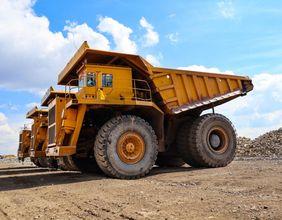

Oil prices have experienced a significant rise after Chinese authorities announced a broad policy package aimed at supporting economic growth. This development occurs amid heightened tensions in the Middle East, following a major Israeli strike on Hezbollah targets in Lebanon.
Market Movements
Brent crude futures rose above $74 per barrel, recovering from a 0.8% decline earlier in the week. West Texas Intermediate (WTI) hovered near $71 per barrel, reflecting the broader market dynamics driven by geopolitical tensions and economic policies. The fluctuations in oil prices underscore how intertwined global events are with commodity markets.
China’s Economic Stimulus Announcement
At a recent briefing in Beijing, People’s Bank of China (PBoC) Governor Pan Gongsheng outlined a series of economic stimulus measures designed to spur growth and support China’s annual target of approximately 5%. The policy initiatives focus on enhancing banks' lending capabilities to both consumers and businesses, as well as lowering the PBoC’s key short-term interest rate. These efforts are aimed at revitalizing economic activity, which could potentially lead to increased energy demand from China, the world’s largest oil importer.
Concerns Over Supply and Demand
Although oil prices responded positively to China's stimulus announcement, concerns remain about the overall health of the Chinese economy and potential increases in oil supply from OPEC+. The Chinese economy has been facing several challenges, which, combined with expectations of additional output from OPEC+ nations, have contributed to a roughly 14% decline in oil prices this quarter.
If China’s economic measures successfully boost growth, demand for oil may rise, which could help stabilize prices over the longer term. This is particularly relevant for companies like Santos Limited (ASX:STO), Woodside Energy Group Ltd (ASX:WDS), and Oil Search Limited (ASX:OSH), major players in Australia’s oil and gas sector. Any recovery in global oil demand could enhance revenues for these companies as they navigate an uncertain market.
Geopolitical Tensions Impacting Oil Markets
The geopolitical situation also plays a significant role in influencing oil prices. The recent Israeli military strikes in Lebanon have escalated tensions in the Middle East, a region critical for global oil supplies. Any disruptions in the area could lead to fluctuations in oil prices, adding further complexity to the market outlook.
Future Outlook for Oil Prices
As China begins to implement its economic support measures, market participants will closely monitor the impact on oil demand. Should these efforts succeed in revitalizing the Chinese economy, the resulting increase in energy consumption could drive oil prices higher.
However, continued concerns about economic slowdowns and potential oversupply from OPEC+ remain. These factors will be crucial in shaping the future trajectory of oil prices. If output increases while demand struggles to rebound, oil prices may remain under downward pressure.
Conclusion
The rise in oil prices following China’s economic stimulus announcement highlights the global interconnectedness of economies and commodities. As investors assess the effects of China's policies and ongoing geopolitical tensions, the possibility of increased oil demand from the world’s largest importer remains a focal point. Companies such as Santos Limited (ASX:STO), Woodside Energy Group Ltd (ASX:WDS), and Oil Search Limited (ASX:OSH) will be closely watching these developments as they navigate the shifting market landscape and global economic conditions.
