
 AUS
AUS
 NZ
NZ
 UK
UK
 CA
CA
 USA
USA
 IND
IND







Highlights
- Major mining and healthcare companies remain central to broader market activity
- Strong operational footprints continue to define leading ASX-listed firms
- Sector-wide developments shape performance trends across key indices
The mining and healthcare sectors continue to hold a central role within the broader ASX stock market, particularly across benchmark indices such as the ASX 200, ASX 100, and All Ordinaries. These sectors contribute significantly to overall market activity, with mining companies driving export-linked revenue streams and healthcare firms maintaining steady demand through innovation and global reach. Companies operating within these sectors often form a substantial portion of index weightings, reflecting their scale and operational influence.
Within the mining segment, firms like BHP Group (ASX:BHP) operate across diversified resource portfolios, while healthcare leaders such as CSL Limited (ASX:CSL) maintain global footprints in biotechnology and plasma therapies. Alongside these, technology-enabled logistics providers like WiseTech Global (ASX:WTC) also contribute to sector diversification within the broader index composition. These companies collectively illustrate how sector diversity supports the structure of the Australian equities landscape.
Mining Sector Dynamics and Operational Scale
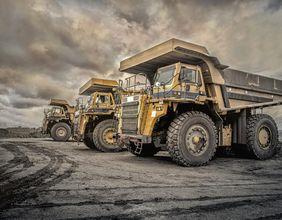
Mining remains one of the most prominent segments within the ASX mining stocks category, supported by extensive natural resource reserves and established export channels. Large-scale operators maintain production across iron ore, copper, and other essential commodities, contributing to supply chains that extend across global markets. The scale of operations often includes integrated logistics networks, advanced extraction technologies, and long-standing infrastructure investments.
Companies in this space typically manage multiple mining sites, processing facilities, and transportation systems. These operational frameworks enable consistent output and support long-term contracts with international partners. In addition, environmental and sustainability considerations have become increasingly relevant, with firms adopting new technologies aimed at reducing emissions and improving energy efficiency.
The mining sector also plays a key role in employment generation and regional development. Its contribution extends beyond direct operations, influencing industries such as transportation, engineering, and equipment manufacturing. This interconnected structure reinforces the importance of mining within the broader Australian economy and financial markets.
Healthcare Sector Expansion and Global Reach
Healthcare companies listed on the ASX continue to expand their global presence through research-driven initiatives and specialized product offerings. Firms within this sector often focus on areas such as biotechnology, pharmaceuticals, and medical devices, with operations spanning multiple continents. Their business models typically emphasize innovation, regulatory compliance, and strategic partnerships with healthcare institutions.
The demand for healthcare products and services remains consistent due to demographic trends and ongoing medical advancements. Companies invest heavily in research and development to maintain competitive positioning and address emerging health challenges. This includes the development of therapies, vaccines, and diagnostic tools designed to meet evolving global needs.
Healthcare firms also benefit from diversified revenue streams, often generated through international markets. Their ability to operate across different regulatory environments highlights the importance of compliance frameworks and quality standards. As a result, the sector maintains a stable presence within indices such as the ASX 50 and ASX 100, reflecting its resilience and ongoing relevance.
Technology Integration and Logistics Innovation
Technology-driven companies have become increasingly visible within the ASX ecosystem, particularly those offering logistics and supply chain solutions. These firms leverage software platforms to streamline operations, enhance efficiency, and provide real-time data insights. Their services are often utilized by global enterprises seeking to optimize distribution networks and improve operational visibility.
The integration of cloud-based systems and automation tools has transformed traditional logistics processes. Companies in this segment focus on developing scalable platforms that can adapt to varying client requirements. This adaptability enables them to operate across diverse industries, including manufacturing, retail, and transportation.
In addition to operational efficiency, technology firms contribute to digital transformation initiatives across the broader market. Their platforms often incorporate analytics, artificial intelligence, and machine learning capabilities, enabling data-driven decision-making. This technological evolution continues to shape how businesses manage supply chains and respond to changing market conditions.
The presence of such companies within indices like the ASX 300 highlights the growing importance of technology in supporting traditional industries. It also underscores the role of innovation in maintaining competitiveness within the global marketplace.
Dividend Trends and Market Participation
Dividend distribution remains a notable aspect of many ASX-listed companies, particularly within established sectors such as mining and banking. Firms categorized under ASX dividend stocks often maintain structured payout policies, reflecting consistent revenue generation and operational stability. These distributions form part of broader shareholder engagement practices and contribute to overall market participation.
Mining companies, in particular, have historically maintained dividend frameworks aligned with commodity cycles and operational output. Healthcare firms may adopt different approaches, often reinvesting earnings into research and development while maintaining selective distributions. This variation highlights the diversity of financial strategies across sectors.
The broader category of ASX ordinaries stocks includes a wide range of companies with varying dividend practices, reflecting differences in industry dynamics and corporate priorities. These practices contribute to the overall structure of the market, influencing investor participation and capital allocation trends.
Market activity across dividend-paying companies also reflects broader economic conditions, including currency movements, global demand patterns, and domestic policy frameworks. These factors collectively shape how companies manage earnings distribution while maintaining operational commitments.
Index Composition and Market Influence
The composition of major indices such as the ASX 20 and ASX 200 reflects the prominence of large-cap companies across key sectors. Mining, healthcare, and technology firms often represent significant portions of these indices, highlighting their influence on overall market direction. Their performance contributes to index movements and shapes broader market sentiment.
Index inclusion is typically determined by factors such as market capitalisation and liquidity, ensuring that leading companies maintain visibility within benchmark measures. This structure allows indices to serve as indicators of market activity and economic trends. Companies included in these indices often attract institutional participation due to their scale and operational stability.
The presence of diversified sectors within these indices supports a balanced market structure, reducing reliance on any single industry. This diversification is particularly important in maintaining resilience during periods of economic fluctuation. It also enables the ASX to reflect a wide range of economic activities, from resource extraction to advanced healthcare innovation.
As companies continue to expand operations and adapt to evolving market conditions, their roles within these indices remain significant. Their contributions extend beyond individual performance, influencing the broader financial ecosystem and supporting the ongoing development of the Australian equities market.
