
 AUS
AUS
 NZ
NZ
 UK
UK
 CA
CA
 USA
USA
 IND
IND







Highlights
Western Australia surpasses Indigenous employment benchmark in the transport sector
Aboriginal-owned businesses contribute significantly to infrastructure initiatives
Broader employment policies align with national social inclusion programs
The infrastructure and transport sector in Western Australia has shown measurable progress in workforce diversity, with Indigenous participation surpassing benchmarks set by the state government. This sector, which plays a key role in regional development and economic activity, has seen increasing collaboration with Aboriginal-owned enterprises. Companies contributing to state infrastructure projects are part of a broader initiative designed to embed cultural inclusion within large-scale development.
These developments occur as the Australian equities market remains attentive to economic and social policy changes, with the ASX 200 reflecting resilience across diverse sectors.
Government Surpasses Indigenous Participation Milestone
The Western Australian Government reached its milestone for Indigenous workforce engagement in the transport sector ahead of the expected timeline. This was part of a broader framework introduced in late 2021, aimed at driving inclusive employment within major government-backed infrastructure projects. Aboriginal-owned businesses have been integral in delivering these projects, contributing significantly to the labour force engaged across various initiatives.
This progress prompted a review and expansion of current benchmarks by the government. With early goals achieved, a new framework is being developed to continue advancing Indigenous employment across additional infrastructure projects.
Future Goals Reflect Broader National Objectives
Nationally, the Australian Government is working toward broader inclusion strategies. The goal to increase employment levels among Indigenous peoples in working-age groups is aligned with the federal agenda under the Close the Gap framework. This includes initiatives to create employment pathways in remote areas and supports skills development for long-term workforce integration.
Western Australia’s initiatives complement this national focus. State-led programs not only incorporate Indigenous employment into infrastructure but also enhance the capacity of Aboriginal-owned businesses to participate in public sector works. These projects, while regionally focused, contribute to a nationwide effort aimed at reducing disparities in employment access.
Indigenous Participation in Mining Sector Shows Upward Trend
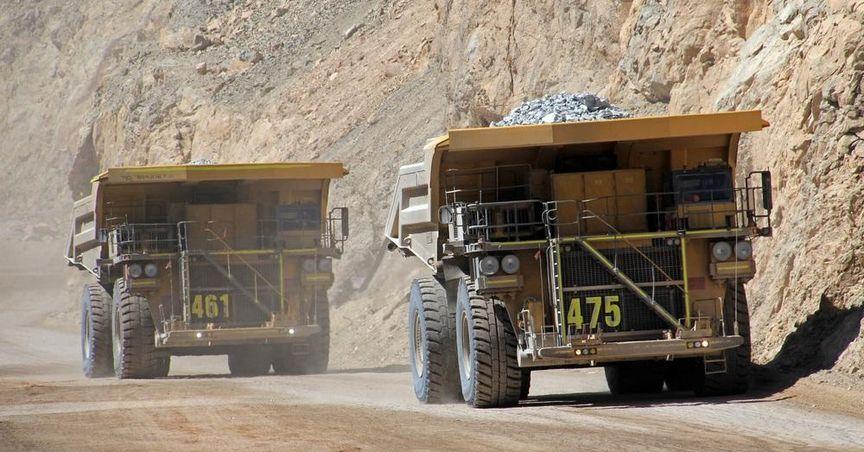
Beyond transport and infrastructure, the mining sector in Western Australia has recorded a rise in Indigenous engagement. As noted in a recent report by the Chamber of Minerals and Energy of Western Australia, workforce diversity across mining operations has improved, with a notable increase in Aboriginal representation.
This shift reflects the outcomes of state and industry partnerships focused on training, upskilling, and long-term inclusion. The engagement of Aboriginal peoples across operational and management roles in mining projects strengthens sector sustainability and community collaboration.
Leaders Emphasise Cultural Inclusion and Workforce Development
Transport Minister Rita Saffioti reaffirmed the state’s commitment to partnering with Aboriginal Elders and Traditional Owners. These collaborations are framed as essential to delivering infrastructure projects that are both socially responsible and community-driven.
Key public figures highlighted the dual focus on economic participation and social outcomes, indicating that increased Indigenous workforce engagement is not only a structural achievement but also an ongoing commitment. As infrastructure demand grows, so does the state’s emphasis on embedding inclusion and cultural understanding within project delivery frameworks.
These sectoral developments continue to influence the broader market landscape, including sentiment reflected in indexes like the ASX 200.
