
 AUS
AUS
 NZ
NZ
 UK
UK
 CA
CA
 USA
USA
 IND
IND


_06_24_2026_03_42_42_568209.jpg)


Highlights:
Focus remains on the broader implications of tariffs affecting major global economies
Volatility expected to persist across technology and mining sectors
Regional cooperation between Asian economies signals shifting trade alignments
The technology sector continues to navigate fluctuations amid broader market instability. With historically elevated valuations across global indices, the focus has shifted toward external events reshaping sentiment. The implementation of tariffs has had a ripple effect beyond initial projections, influencing investor confidence and weighing on growth-oriented sectors like technology. The impact is not isolated to one market, but rather is influencing multiple exchanges, including those in Australia.
Expectations around the direction of tech-related equities remain subdued in light of persistent headwinds. Sector activity has shown increased sensitivity to policy shifts and international trade developments. Although some entities in the space maintain robust balance sheets, the broader environment has created a cautious tone around technology-focused shares.
Mining Linked to Chinese Economic Signals
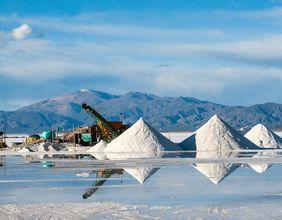
Mining activity on the ASX remains closely linked to demand trends across Asia, particularly from China. With the broader mining sector influenced by global commodity pricing and trade dynamics, recent developments in tariff negotiations have introduced new variables.
China's position in the resource supply chain places added weight on its domestic policy direction and external agreements. Adjustments in stimulus measures or international trade arrangements can impact resource allocations and export demand. While questions persist around future output and demand consistency, Australia's stronger ties to the Chinese market provide a layer of exposure that differentiates its mining landscape from that of other global players.
Asian Economic Alliances Reflect Evolving Trade Relationships
Recent developments in regional diplomacy have indicated a shift in economic collaboration between major Asian economies. A coordinated response to tariff policies from China, Japan, and South Korea marks a notable change in regional alignment. The unified stance, not observed in several years, highlights the extent of concern around international trade disruptions.
The joint announcement among these countries underscores a shared interest in maintaining trade stability and minimizing disruption. The cooperative move has drawn attention to the growing role of regional pacts in shaping the future of cross-border commerce. Impacts from this collaboration are expected to influence trade logistics, import-export flows, and pricing structures for goods with components sourced across multiple countries.
Domestic Market Movement Mirrors Global Themes
Australian equities continue to mirror developments from major global markets. As international headlines around tariffs and economic policies unfold, local market movements remain sensitive to changes in sentiment and geopolitical developments.
Sector performance has displayed divergence depending on overseas demand and regional supply chains. Technology and mining, in particular, continue to attract attention due to their global interdependencies. With external influences shaping day-to-day market behavior, ASX-listed companies operating within these sectors are adjusting to reflect broader macroeconomic conditions.
Short-Term Fluctuations Amid Long-Term Adjustments
Volatility is present across multiple sectors, driven by evolving trade structures and policy reactions. The transition period reflects both uncertainty and realignment, especially in areas connected to export flows and global innovation.
With the emergence of stronger ties among Asian economies and ongoing recalibration of trade expectations, equity markets in Australia remain part of a broader economic narrative. Industry-specific trends and geopolitical factors continue to define trading behavior, influencing capital flows and sector positioning on the exchange.
