
 AUS
AUS
 NZ
NZ
 UK
UK
 CA
CA
 USA
USA
 IND
IND





Highlights
• Australian equities recorded a broad recovery across multiple sectors after a sharp sell-off session.
• Mining, financial, and energy companies contributed to renewed market activity.
• Movement unfolded across benchmark indices including the ASX 200 and All Ordinaries.
Australian equities recorded a broad rebound after a sharp sell-off session, with mining, financial, and energy companies contributing to renewed activity across benchmark indices.
Australia’s equity market includes a diverse group of companies operating across sectors such as resources, banking, energy, technology, and industrial services. These companies collectively contribute to major benchmarks including the ASX 200 and the All Ordinaries, which track the performance of publicly listed corporations across the national financial market.
During a recent trading session, broad market activity returned across Australian equities after a previous period characterised by widespread selling pressure. Companies from multiple sectors including mining, financial services, and energy recorded renewed participation as trading resumed across the market. Among the widely recognised resource companies participating in the Australian market environment, BHP Group (ASX:BHP) remained part of the broader resource sector landscape observed during the session.
Australian equity benchmarks often reflect the interaction of multiple industries that drive the country’s economic activity. Resource companies extract commodities such as iron ore, copper, lithium, and coal that support global manufacturing systems. Financial institutions provide banking services and credit infrastructure supporting commercial activity. Energy companies produce fuels and electricity used across industrial and residential sectors.
The movement across the market session highlighted how different sectors contribute to overall benchmark performance. Mining companies frequently influence Australian equity benchmarks due to their scale and connection to global commodity markets.
Australia’s resource sector remains closely linked with international demand for raw materials used in infrastructure development, manufacturing, and renewable energy technologies. Mining companies listed on Australian exchanges operate projects across several continents and supply materials to global industrial markets.
Financial institutions also play an essential role in the market environment. Banks provide credit, payment systems, and financial services to businesses and households. Their operations contribute significantly to benchmark indices due to the scale of the Australian banking industry.
Energy companies operating in the Australian market manage projects related to oil, gas, and electricity production. These companies supply energy resources that support industrial production and transportation infrastructure.
Technology companies listed on Australian exchanges contribute digital services and software platforms used across commercial and consumer markets. Their presence reflects the evolving structure of Australia’s corporate landscape.
The combined activity of these sectors contributes to fluctuations within benchmark indices tracking the Australian equity market. Movements across different industries during a trading session illustrate how the market environment evolves in response to various economic and sector-specific developments.
The session that followed a significant sell-off displayed renewed activity across several sectors within the Australian equity market. Companies from mining, banking, and industrial sectors participated in the trading environment that characterised the market recovery phase.
Resource Sector Participation in Market Activity
The resource sector occupies a prominent position within Australia’s equity market. Mining companies extracting commodities such as iron ore, gold, lithium, and copper contribute substantially to benchmark indices due to the scale of their operations and global market presence.
Resource companies operate mining projects that extract raw materials used in construction, electronics manufacturing, energy infrastructure, and transportation systems. These materials serve as fundamental components within modern industrial supply chains.
Iron ore represents one of Australia’s most widely exported commodities. Mining companies operating large iron ore deposits supply material used in steel production across global manufacturing centres. Steel remains essential for infrastructure projects including bridges, railways, buildings, and transportation systems.
Lithium extraction has also gained attention within the resource sector due to the metal’s role in rechargeable battery technology. Lithium compounds are used in batteries powering electric vehicles, portable electronics, and energy storage systems.
Copper mining forms another significant part of the materials industry. Copper is widely used in electrical wiring, renewable energy infrastructure, and communication technologies due to its high electrical conductivity.
Gold mining also contributes to Australia’s resource sector. Gold has historically served as a store of value and remains widely used in electronics, jewellery manufacturing, and financial markets.
Mining companies maintain extensive infrastructure including open pit mines, underground extraction sites, processing plants, and transportation networks that deliver minerals to international markets.
The operational scale of these projects often places mining companies among the largest corporations listed on Australian exchanges. Their participation within benchmark indices reflects the importance of natural resource extraction to the national economy.
During trading sessions characterised by broad market activity, resource companies frequently contribute to movements within benchmark indices due to the weight of the materials sector.
Resource producers operate alongside companies frequently associated with other categories including organisations commonly linked with ASX dividend stocks, illustrating the diversity of industries present within Australian financial markets. The interaction between mining companies and other sectors contributes to the dynamic nature of trading sessions within Australia’s equity landscape.
Financial Sector Influence Within Australian Equities
Financial institutions represent another major component of Australia’s equity market. Banks, insurance companies, and financial service providers operate across the national economy offering lending, investment management, and payment services.
Major banking institutions maintain networks of branches, digital platforms, and corporate lending operations supporting businesses and individuals. These institutions provide mortgages, commercial loans, credit facilities, and financial advisory services.
Insurance companies operating within the financial sector offer coverage related to property, health, vehicles, and business operations. These services help businesses and households manage financial exposure associated with unexpected events.
Financial service companies also provide investment management services including superannuation fund management, wealth planning, and institutional asset management.
The financial sector therefore plays an integral role in supporting economic activity across multiple industries. Businesses rely on access to credit and banking infrastructure to maintain operations and finance expansion projects.
Financial institutions frequently appear among the largest constituents within Australian equity benchmarks due to their scale and market capitalisation. During market sessions involving broad activity, banking and financial stocks often participate alongside resource companies and industrial firms. The presence of financial institutions within the market environment contributes to the diversity of sectors represented within Australian equity benchmarks.
The participation of financial institutions within trading sessions therefore remains an important component of benchmark index movements. Financial companies operate within the same market ecosystem as resource firms, industrial manufacturers, technology developers, and healthcare organisations. The combined activities of these sectors create the overall structure of Australia’s equity market tracked by benchmark indices such as the asx all ords.
Energy Companies and Industrial Sector Participation
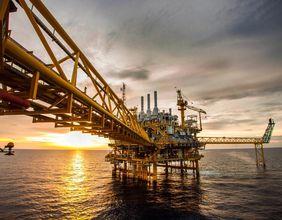
Energy companies contribute to the Australian market through operations focused on oil production, natural gas extraction, and electricity generation. These firms supply energy resources used in transportation, manufacturing, and residential consumption.
Oil and gas producers operate exploration and extraction projects designed to locate hydrocarbon reserves beneath the earth’s surface. Once identified, these reserves are developed through drilling operations that extract crude oil or natural gas for processing.
Natural gas plays a key role in electricity generation and industrial energy supply. Gas-fired power plants generate electricity used by households, commercial facilities, and industrial operations. Energy infrastructure projects also include pipelines, liquefied natural gas terminals, and electricity transmission networks connecting energy resources with end users.
Industrial companies operating within the Australian equity market produce equipment, construction materials, and engineering services used across infrastructure projects and manufacturing operations. Engineering firms design and build large infrastructure systems including transportation networks, industrial facilities, and energy installations.
Construction companies contribute to infrastructure development projects such as highways, railways, ports, and commercial buildings. These projects support economic activity and urban development across Australia.
Industrial manufacturing companies produce machinery, industrial components, and specialised equipment used across mining, construction, and energy sectors. Energy and industrial firms therefore form an interconnected network supporting the operation of Australia’s broader economy.
During trading sessions involving broad participation across the market, these companies often move alongside resource and financial firms due to their role within the national economic system. Energy and industrial companies therefore contribute to the diverse sector composition represented within benchmark indices tracking Australian equities.
Market Dynamics and Sector Interaction Across Australian Equities
The Australian equity market reflects the combined activities of companies operating across multiple sectors. Mining firms extract natural resources, banks provide financial services, energy companies generate power, and industrial organisations build infrastructure supporting economic activity.
Benchmark indices such as the ASX series track the collective performance of these companies across the financial market.
Trading sessions characterised by broad participation often involve simultaneous movement across several industries as investors respond to developments affecting economic conditions and corporate activity.
Resource companies may influence benchmark indices due to their significant market presence. Financial institutions contribute through their central role in the banking system, while industrial firms support infrastructure development across the economy.
Technology companies listed on Australian exchanges provide digital services and software products used by businesses and consumers. Their operations represent another dimension of the evolving corporate landscape.
Healthcare companies also participate within Australian equity benchmarks through pharmaceutical research, biotechnology development, and medical equipment manufacturing.
Each of these sectors contributes to the overall structure of Australia’s equity market environment. Market activity during the session that followed the earlier sell-off demonstrated how various sectors interact within the broader financial landscape.
Resource producers, banks, energy companies, and industrial firms collectively shaped the trading environment observed during the session. The diversity of sectors represented within Australian equity benchmarks reflects the wide range of industries supporting the country’s economy. Companies participating in these benchmarks operate within global markets supplying resources, services, technology, and infrastructure used around the world.
