
 AUS
AUS
 NZ
NZ
 UK
UK
 CA
CA
 USA
USA
 IND
IND







Highlights
- Dividend-oriented companies across banking, mining, and energy sectors form a major part of the Australian equity landscape
- Established firms within major indices maintain structured dividend distribution frameworks
- Sector diversity supports steady income generation across ASX-listed companies
Dividend-focused companies form a central component of the Australian equity landscape, particularly within sectors such as financial services, mining, and energy. These industries contribute significantly to the broader ASX 200, ASX 100, and All Ordinaries. The structure of these indices reflects the presence of large-cap organisations with established operational models and consistent dividend distribution practices. Within the broader ASX stock market, dividend-paying entities often align with mature industries where revenue streams are relatively stable and supported by long-standing infrastructure.
The financial sector, particularly banking institutions such as Commonwealth Bank of Australia (ASX:CBA), plays a prominent role in dividend distribution. These institutions operate within regulated frameworks and maintain capital management policies that include regular shareholder payouts. The mining sector, represented by companies like BHP Group (ASX:BHP), also contributes significantly, benefiting from global commodity demand and resource exports. Energy companies further enhance the dividend landscape, supported by long-term supply agreements and infrastructure investments. Together, these sectors form the backbone of ASX dividend stocks, providing income-oriented exposure across diversified market segments.
Financial Sector Stability and Dividend Distribution Trends
The financial services sector remains one of the most influential contributors to dividend payouts within the Australian market. Major banking institutions operate under structured regulatory oversight, ensuring capital adequacy and liquidity management. These frameworks support consistent dividend distribution policies, making the sector a cornerstone of income-focused investment strategies.
Banks generate revenue through lending activities, interest margins, and financial services, creating recurring income streams. This operational model supports the allocation of earnings toward shareholder distributions. Additionally, financial institutions often maintain dividend payout ratios aligned with internal capital requirements, ensuring sustainability across economic cycles.
Insurance companies and diversified financial entities also play a role in dividend distribution. These organisations manage risk portfolios and generate income through premiums, investments, and underwriting activities. Their presence within indices such as the ASX 100 highlights their importance in the broader financial ecosystem.
The financial sector’s contribution to dividends is further reinforced by its scale and market capitalisation. Large-cap institutions dominate index weightings, ensuring their influence on overall dividend yield metrics within the Australian market. Their established governance structures and transparent reporting practices support consistent distribution patterns.
Mining Sector Contributions and Commodity-Linked Earnings
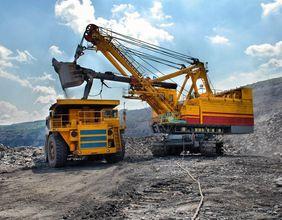
The mining sector represents another significant pillar of dividend distribution within the Australian market. Companies engaged in resource extraction and export benefit from global demand for commodities such as iron ore, coal, and base metals. This demand drives revenue generation, enabling dividend allocation to shareholders.
Mining companies operate within capital-intensive environments, requiring substantial investment in infrastructure, equipment, and logistics. Despite these requirements, established players maintain strong balance sheets and cash flow generation capabilities. These factors support their ability to distribute dividends while sustaining operational efficiency.
The sector’s presence within ASX mining stocks highlights its importance in the broader economic landscape. Resource companies often align their dividend policies with earnings cycles, reflecting fluctuations in commodity markets while maintaining structured payout frameworks.
Export-driven revenue further strengthens the mining sector’s role in dividend distribution. Australia’s position as a major resource supplier supports consistent demand from international markets. This dynamic contributes to the sector’s inclusion in major indices and its influence on overall dividend trends.
In addition, mining companies often adopt capital management strategies that include dividend payments alongside reinvestment in exploration and production. This balance ensures continued operational activity while maintaining shareholder distributions.
Energy Sector Dynamics and Infrastructure-Driven Income
The energy sector contributes to dividend distribution through its focus on infrastructure, production, and long-term supply arrangements. Companies involved in oil, gas, and renewable energy operate within frameworks that support consistent revenue generation. These revenue streams enable structured dividend allocation across market cycles.
Energy companies often engage in large-scale projects with extended operational lifespans. These projects generate steady cash flows, supporting dividend payments while maintaining capital expenditure requirements. The sector’s integration within ASX ordinaries stocks reflects its role in the broader market.
Renewable energy initiatives have also become increasingly prominent, contributing to diversification within the sector. Investments in solar, wind, and alternative energy sources create additional revenue streams, enhancing the sector’s capacity for dividend distribution.
Pipeline infrastructure and energy transportation networks further support income generation. These assets operate under long-term contracts, providing predictable cash flows that align with dividend payout frameworks. This stability reinforces the sector’s position within income-focused market segments.
The energy sector’s integration with global markets also influences its revenue dynamics. International demand for energy resources supports export activity, contributing to earnings that underpin dividend distributions.
Market Positioning of Dividend Stocks Within ASX Indices
Dividend-focused companies occupy a significant position within major Australian indices, reflecting their scale and financial stability. The composition of indices such as the ASX 200, ASX 50, and ASX 300 includes a substantial number of established organisations with consistent dividend policies.
These indices serve as benchmarks for market performance, highlighting the role of dividend-paying companies in shaping overall market outcomes. Large-cap entities dominate index weightings, ensuring their influence on dividend yield metrics and income distribution trends.
Sector diversification within these indices enhances the resilience of dividend-focused portfolios. Financial institutions, mining companies, and energy providers collectively contribute to a balanced distribution framework. This diversity supports income generation across varying economic conditions.
The inclusion of dividend-paying companies within multiple indices also reflects their market capitalisation and operational scale. Their presence across different index tiers underscores their importance in the Australian equity landscape.
Furthermore, dividend stocks often attract institutional participation, contributing to liquidity and market stability. Their established track records and transparent financial reporting support consistent market engagement.
