
 AUS
AUS
 NZ
NZ
 UK
UK
 CA
CA
 USA
USA
 IND
IND


_03_25_2026_08_33_19_207610.jpg)



Highlights
• Broad-based sector gains support market strength at close.
• Materials and financials contribute to index movement.
• Market participation reflects diversified sector activity.
Australian equities reflect broad sector participation, with materials, financials, and healthcare companies contributing to gains across the ASX and reinforcing diversified market structure.
The Australian equity market reflects strong participation across multiple sectors, with companies within the materials and financial segments contributing to movements in indices such as the ASX 200. This benchmark captures a wide range of large-cap companies representing diverse industries within the economy.
Within this environment, companies such as BHP Group Ltd (ASX:BHP), Commonwealth Bank of Australia (ASX:CBA), and CSL Ltd (ASX:CSL) operate across materials, financial services, and healthcare sectors. These businesses represent key pillars of the Australian market, contributing to sector diversity and index composition.
The combination of gains across sectors highlights how different industries interact within the equity framework. Materials companies are linked to resource demand, financial institutions reflect lending and capital activity, while healthcare firms operate within medical and biotechnology segments.
This multi-sector participation demonstrates how the Australian market structure is shaped by a wide array of industries, each contributing to overall activity during trading sessions.
Materials Sector Contribution and Resource Market Activity
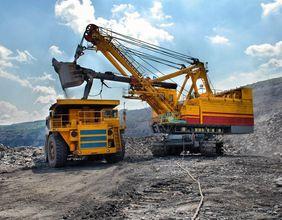
The materials sector remains a central component of the Australian equity market, driven by mining and resource-based companies involved in the extraction and processing of commodities. These businesses play a significant role in supplying raw materials used across global industries.
Companies such as BHP Group Ltd and other mining firms operate within this segment, contributing to market activity through their involvement in iron ore, copper, and other resources. Their operations are closely linked to international demand and industrial output.
Resource companies often respond to developments in global supply chains, infrastructure projects, and manufacturing activity. These elements influence how the materials sector participates in broader market movements.
The presence of materials companies within the asx all ords reflects their integration into a wider market structure that includes multiple industries. This inclusion highlights the importance of resource-based businesses in shaping equity market composition.
In addition to traditional mining activities, the sector also includes companies involved in emerging resource segments, reflecting evolving industrial requirements and technological developments.
Financial Sector Activity and Banking Influence
The financial sector forms another major component of the Australian equity market, with banks and financial institutions playing a key role in capital allocation and economic activity. Companies within this sector are involved in lending, investment services, and financial management.
Commonwealth Bank of Australia and other financial institutions contribute to market activity through their operations across retail banking, business lending, and financial services. These activities influence how the sector participates within the broader market framework.
The financial sector is closely linked to economic conditions, including lending activity, consumer spending, and business investment. These factors shape how financial institutions operate within the market.
The role of financial companies within discussions around ASX dividend stocks reflects their association with income-focused segments of the equity landscape. This connection highlights how different sectors contribute to various investment categories.
The interaction between financial institutions and other sectors demonstrates the interconnected nature of the market, where developments in one area can influence broader economic activity.
Healthcare and Defensive Sector Participation
The healthcare sector contributes to market diversity by representing medical services, biotechnology, and pharmaceutical development. Companies within this sector operate across research, treatment solutions, and healthcare delivery systems.
CSL Ltd and similar healthcare firms are involved in the development of medical products and therapies, contributing to sector activity within the equity market. Their operations are influenced by research initiatives, regulatory frameworks, and healthcare demand.
Healthcare companies are often viewed as part of defensive segments within the market, reflecting their role in providing essential services regardless of broader economic conditions. This characteristic contributes to their presence within major indices.
The integration of healthcare companies within the broader market structure highlights the diversity of industries represented within indices such as the ASX. This diversity supports a balanced representation of economic activity.
The interaction between healthcare and other sectors further demonstrates how the equity market reflects a wide range of industries, each contributing to overall participation.
Market Structure and Index Representation Across Sectors
Market indices provide a structured representation of the equity landscape, capturing companies across various sectors and industries. These indices reflect how different industries contribute to overall market composition.
The inclusion of companies from materials, financial, and healthcare sectors highlights the diversity of the market. Each sector contributes uniquely to the structure of indices, reflecting its role within the economy.
Sector participation within indices demonstrates how companies are grouped based on their operational focus and market presence. This classification provides a framework for understanding how industries interact within the equity market.
Movements across sectors during trading sessions illustrate how companies respond to varying economic and industrial conditions. These interactions contribute to the dynamic nature of the market.
The broader equity framework continues to evolve as companies adapt to changing conditions and maintain their position within indices. This ensures that market representation remains aligned with current economic activity.
