
 AUS
AUS
 NZ
NZ
 UK
UK
 CA
CA
 USA
USA
 IND
IND







Highlights
Resource shares weighed on the broader market sentiment.
Banking and technology stocks helped cushion market weakness.
Global optimism struggled to lift Australian equities.
The Australian share market remained under pressure despite positive momentum from overseas markets. Weakness across mining and gold stocks outweighed gains in banking and technology shares, highlighting the cautious sentiment influencing the local market.
The ASX 200 continued to face downward pressure even after encouraging overnight movements from overseas markets, reflecting the cautious mood across Australian equities. While stronger performances from global benchmarks generally provide confidence for domestic investors, the local market followed a different path as weakness in the resources sector offset gains in banking and technology shares. Investors also continued monitoring developments across the broader ASX 100, where several heavyweight companies influenced overall market direction.
The session illustrated how sector-specific movements can outweigh positive international cues. Mining companies, gold producers and several commodity-linked businesses placed pressure on the benchmark index, while financial institutions and selected technology companies helped moderate broader declines.
Global Optimism Fails to Lift Australian Equities
International markets delivered encouraging performances ahead of the Australian trading session, creating expectations of a stronger local opening. However, those gains failed to translate into sustained momentum for domestic equities.
Australian investors remained focused on local sector dynamics rather than overseas performance. Commodity-related companies experienced renewed weakness, limiting the broader market's ability to benefit from global optimism.
Market participants continue balancing international economic developments with domestic factors such as commodity demand, corporate developments and investor sentiment. This combination has resulted in selective buying interest rather than broad-based market strength.
Resource Companies Remain the Largest Weight on the Market
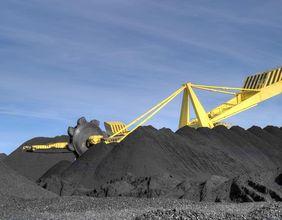
The resources sector once again became the primary source of weakness for Australian equities.
Mining companies continue to play a significant role within Australia's benchmark indices, meaning any decline across major resource businesses can heavily influence overall market performance. During the latest session, softer commodity sentiment placed additional pressure on several leading miners.
BHP Group (ASX:BHP) experienced declines alongside Rio Tinto (ASX:RIO) as investors assessed ongoing developments across global commodity markets. Iron ore producers remain highly sensitive to international demand expectations, particularly from key export markets.
The movement across mining companies also reflected broader caution surrounding raw material demand, with investors closely monitoring economic activity across major global economies.
The weakness in resources highlighted the importance of diversification within Australian markets, where heavy exposure to mining continues to influence benchmark performance.
Gold Producers Face Additional Selling Pressure
Gold mining companies also encountered a challenging trading session as softer bullion prices reduced enthusiasm across the sector.
Northern Star Resources (ASX:NST) and Evolution Mining (ASX:EVN) both came under pressure as investors reacted to changing conditions in precious metals markets.
Gold producers frequently respond to fluctuations in bullion prices, currency movements and broader risk sentiment. When investors become more comfortable with economic conditions, interest in defensive assets such as gold can moderate, influencing mining companies operating within the sector.
Although short-term volatility remains common for precious metal producers, the industry continues to attract long-term attention due to its strategic importance within Australia's mining landscape.
Financial Sector Helps Stabilise the Market
While resource companies weighed on the benchmark index, Australia's banking sector provided meaningful support.
Several major financial institutions traded higher during the session, helping offset broader market weakness and demonstrating continued investor confidence in established financial businesses.
Commonwealth Bank of Australia (ASX:CBA) led gains among the major banks, while Westpac Banking Corporation (ASX:WBC) also strengthened during trading.
National Australia Bank (ASX:NAB) and ANZ Group Holdings (ASX:ANZ) contributed additional support, reinforcing the banking sector's importance within Australia's equity market.
Banks remain among the largest constituents of Australian share indices, meaning positive performance across financial stocks can reduce the overall impact of declines elsewhere in the market.
Their resilience during weaker trading sessions often provides stability for diversified portfolios and benchmark indices alike.
Technology Stocks Continue to Attract Investor Interest
Technology companies represented another area of relative strength throughout the trading day.
Investor attention remained focused on corporate developments rather than broader market sentiment, allowing selected technology businesses to outperform despite weakness across other industries.
WiseTech Global (ASX:WTC) attracted strong interest following governance-related updates that were viewed positively by the market.
Meanwhile, Xero (ASX:XRO) also recorded gains, reflecting continued confidence in Australia's software sector.
Technology businesses have increasingly become important contributors to Australian market performance, particularly as digital transformation continues across multiple industries.
Their growing influence has diversified the composition of Australia's leading indices beyond the traditional dominance of mining and banking companies.
Diversified Financial Companies Add Further Support
Financial services businesses also participated in the broader market recovery effort.
Macquarie Group (ASX:MQG) strengthened during the session, adding further support to the financial sector.
Diversified financial institutions often benefit from exposure across investment banking, asset management, infrastructure and advisory businesses, providing broader earnings diversification than traditional retail banks.
Their performance frequently reflects investor expectations surrounding capital markets activity, infrastructure investment and global financial conditions.
Market Breadth Signals Ongoing Investor Caution
Although selected sectors delivered gains, overall market breadth remained relatively weak.
A larger proportion of listed companies traded lower than higher throughout the session, indicating cautious investor positioning despite encouraging global market performance.
This divergence suggests that investors remain selective rather than broadly optimistic, preferring businesses with stronger defensive characteristics or company-specific catalysts.
Market breadth often provides useful insight into overall sentiment because it measures participation across the entire market rather than focusing solely on index performance.
Why Global Gains Did Not Translate Into Local Strength
Several factors contributed to the disconnect between international markets and Australian equities.
Australia's market composition differs significantly from many overseas benchmarks. Resource companies occupy a much larger weighting within domestic indices, making commodity prices an especially important driver of local performance.
When mining shares weaken, they frequently offset gains generated by financial institutions or technology businesses.
Global equity markets may also respond differently to changing economic expectations depending on sector exposure. Overseas technology-heavy indices can perform strongly even when commodity-focused markets remain under pressure.
This structural difference helps explain why Australian equities occasionally diverge from overseas market movements.
The Importance of Sector Rotation
The latest session also highlighted the ongoing process of sector rotation within equity markets.
Investors regularly shift capital between industries depending on changing economic conditions, corporate developments and market expectations.
During periods of commodity weakness, capital may move toward financial institutions, technology companies or defensive sectors. Conversely, stronger commodity markets can restore leadership to mining companies.
Understanding these rotations helps explain why benchmark indices may appear relatively stable even when significant movements occur beneath the surface.
Market Outlook Remains Closely Tied to Multiple Drivers
Australian equities continue responding to several important influences simultaneously.
Commodity prices remain a major consideration due to Australia's substantial mining industry.
Corporate announcements also continue driving individual share performance, particularly among technology businesses and financial institutions.
Global economic conditions, inflation trends, interest rate expectations and international trade developments remain additional factors influencing investor sentiment.
Together, these drivers create an environment where market leadership can shift rapidly between sectors.
Investors following the broader ASX 300 continue monitoring sector performance rather than focusing solely on headline index movements, as internal market dynamics often reveal a more complete picture of overall sentiment.
For investors seeking broader insights into income-focused opportunities within Australian equities, exploring ASX dividend stocks can provide additional perspective on companies recognised for shareholder distributions.
The latest trading session demonstrated that Australian equities remain influenced by domestic sector movements even when international markets provide positive momentum.
Weakness across mining and gold companies limited broader market gains, while banking institutions and technology businesses helped reduce overall losses. The contrasting performance across sectors reflected a market that continues balancing global optimism with local economic considerations.
As commodity prices, corporate developments and investor sentiment evolve, Australian markets are likely to remain shaped by sector-specific performance rather than broad market trends alone. Monitoring leadership across financials, technology and resources will remain essential in understanding future movements across the local share market.
