
 AUS
AUS
 NZ
NZ
 UK
UK
 CA
CA
 USA
USA
 IND
IND





Highlights
• Energy stocks reflect strength amid shifting market conditions.
• Materials sector shows contrasting movement within the market.
• Sector divergence highlights varied industry participation.
ASX 200 midday update highlights energy sector strength and materials sector contrast, reflecting diverse market participation across industries.
The Australian equity market operates across multiple industries including energy, materials, financials, and consumer sectors. These industries collectively contribute to the performance of indices such as the ASX 200, which reflects the activity of leading companies across the exchange.
Companies such as Woodside Energy Group Ltd (ASX:WDS), Santos Ltd (ASX:STO), BHP Group Ltd (ASX:BHP), and Rio Tinto Ltd (ASX:RIO) represent key participants within the energy and materials sectors. These organisations play an important role in shaping sector-level activity within the broader market.
Market activity during midday sessions often reflects a combination of global influences, commodity movements, and sector-specific developments. These factors contribute to varying levels of participation across industries.
Within the broader market ecosystem often referred to as the asx all ords, sector performance contributes to the overall structure and diversity of the Australian equity landscape.
Energy Sector Reflects Market Strength
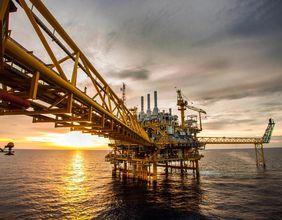
The energy sector is a key component of the Australian equity market, driven by companies involved in oil and gas production. Firms such as Woodside Energy Group Ltd (ASX:WDS) and Santos Ltd (ASX:STO) contribute significantly to this segment.
Energy companies operate within global commodity markets, where supply and demand conditions influence operational activity. Movements in oil markets often shape how energy firms perform during trading sessions.
The participation of energy stocks within the ASX 200 highlights their importance in supporting industrial and economic activity. These companies contribute to energy supply chains that extend beyond domestic markets.
Operational activities in this sector include exploration, production, and distribution of energy resources, reflecting the complexity of global energy systems.
Across the broader equity landscape, companies are also often associated with ASX dividend stocks, highlighting income-focused segments alongside commodity-driven industries.
Materials Sector Shows Contrasting Activity
The materials sector includes companies involved in mining and resource extraction, such as BHP Group Ltd (ASX:BHP) and Rio Tinto Ltd (ASX:RIO). These organisations focus on commodities including iron ore, copper, and other minerals.
Activity within the materials sector is influenced by global demand, industrial production, and trade conditions. These factors shape how companies operate and contribute to market performance.
The sector’s contrasting movement relative to energy highlights the diversity of market participation. Different industries respond to unique drivers, resulting in varied activity across sectors.
Mining companies contribute significantly to the Australian economy through resource exports and industrial supply chains, reinforcing their importance within the equity market.
Sector Rotation and Market Participation
Sector rotation refers to the movement of activity between different industries within the market. This phenomenon reflects changing conditions across economic and commodity environments.
The ASX 200 captures this rotation by including companies from a wide range of sectors. As activity shifts between industries, the index reflects these changes through sector-level participation.
Sector rotation highlights how market dynamics evolve over time, with certain industries experiencing stronger activity while others show contrasting movement.
Understanding this interaction provides insight into how the equity market responds to changing conditions across sectors.
Global Influences on Sector Performance
The Australian equity market is influenced by global developments including commodity trends, economic conditions, and geopolitical factors. These influences shape sector performance and market activity.
Energy and materials sectors are particularly sensitive to global conditions due to their reliance on international demand and trade. Changes in these conditions affect how companies operate within these industries.
Global supply chains play a significant role in shaping the activity of resource companies. These supply chains connect Australian producers with international markets.
The interaction between global and domestic factors highlights the interconnected nature of the equity market.
Market Structure and Industry Contribution
The structure of the Australian equity market is defined by the participation of multiple sectors, each contributing to overall activity. Energy, materials, financials, and consumer sectors form the foundation of this structure.
Companies within these industries support economic activity through production, services, and infrastructure development. Their operations reflect the diversity of the market.
The inclusion of sector-leading companies within the ASX 200 ensures that the index represents a wide range of economic activities. This broad representation highlights the importance of sector-level contributions in shaping the equity market landscape.
