
 AUS
AUS
 NZ
NZ
 UK
UK
 CA
CA
 USA
USA
 IND
IND







Highlights
- Mining sector lifts broader market sentiment
- Global tensions keep volatility in focus
- Key sectors show mixed but stabilising trends
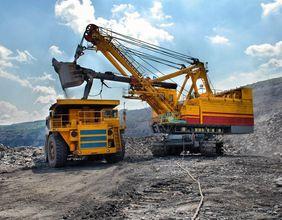
The ASX 200 continues to reflect the delicate balance within the ASX stock market, where shifting global conditions and commodity demand are shaping momentum. The latest market movements highlight how ASX mining stocks are helping stabilise broader sentiment, even as geopolitical concerns keep participants cautious. With major resource companies stepping into the spotlight, the evolving landscape presents a compelling snapshot of resilience and uncertainty combined.
What is driving the latest market recovery?
The recent upward movement in the Australian market has largely been supported by strength in the resources sector. Mining companies have responded positively to firm commodity demand, which has provided a buffer against broader uncertainty.
The recovery reflects a combination of external and domestic influences. Commodity-linked sectors often react quickly to changes in global supply chains and demand expectations. As a result, mining-focused businesses have played a central role in lifting overall sentiment.
At the same time, defensive sectors have shown relative stability, contributing to a more balanced market outlook. This interplay between cyclical and defensive segments continues to define the current phase of the market.
Why are mining stocks leading the momentum?
The performance of ASX mining stocks has been a standout feature of the recent session. These companies, typically involved in the exploration, extraction, and production of essential commodities, tend to benefit when global demand remains steady or improves.
Mining giants such as BHP Group Ltd (:BHP), a globally recognised resource company focused on iron ore, copper, and energy assets, have supported the broader index. Similarly, Rio Tinto Ltd (:RIO), known for its diversified mining operations across multiple continents, has contributed to positive sentiment.
Fortescue Ltd (:FMG), a key player in iron ore production with a strong focus on export markets, has also remained influential in shaping the direction of the sector.
These companies form a significant portion of the ASX 100, meaning their performance often has a direct impact on broader indices.
How are global risks influencing sentiment?
While mining stocks have provided support, ongoing geopolitical tensions continue to influence market direction. Global uncertainties can affect commodity prices, currency movements, and trade flows, all of which have a direct impact on the Australian market.
Market participants are closely monitoring developments that could disrupt supply chains or alter demand forecasts. This cautious approach has created an environment where gains are often measured and subject to sudden shifts.
Despite these concerns, the resilience shown by resource stocks indicates that demand fundamentals remain intact, at least in the near term.
Which sectors are showing mixed trends?
Beyond mining, other sectors within the market have displayed varied performance. Financials, healthcare, and consumer-focused companies have experienced fluctuations as sentiment adjusts to changing economic signals.
The ASX ordinaries stocks index, which includes a broader range of listed companies, reflects this mixed trend. While some sectors have stabilised, others continue to respond to evolving economic conditions.
Dividend-focused companies, often grouped under ASX dividend stocks, have provided a degree of consistency. These businesses are typically valued for their income-generating potential, making them appealing during uncertain periods.
What role do major resource companies play?
Large-scale mining companies are often seen as a barometer for the Australian economy. Their operations span multiple regions and commodities, making them highly sensitive to global trends.
BHP Group Ltd (ASX:BHP) stands out as one of the largest diversified resource companies, with operations that include iron ore, copper, and energy resources. Its scale and global reach make it a key contributor to overall market performance.
Rio Tinto Ltd (ASX:RIO) is another major player, with a strong presence in aluminium, copper, and iron ore. Its diversified portfolio allows it to adapt to changing demand patterns across different commodities.
Fortescue Ltd (ASX:FMG), known for its focus on iron ore, continues to benefit from steady demand in export markets. Its operations are closely tied to global infrastructure and industrial activity.
Together, these companies influence not only the ASX 200 but also broader market sentiment.
How is the broader market adapting?
The Australian market is currently navigating a complex environment characterised by both opportunity and uncertainty. While resource stocks have provided a foundation for recovery, other sectors are adjusting to changing economic signals.
The interplay between domestic conditions and global influences remains a key theme. As commodity demand continues to support mining companies, other sectors are gradually finding their footing.
This dynamic environment highlights the importance of diversification within the market, as different sectors respond to varying drivers.
What could shape the next phase of movement?
Looking ahead, several factors are likely to influence the direction of the market. Commodity prices, global economic conditions, and geopolitical developments will continue to play a significant role.
The performance of major mining companies will remain closely watched, given their impact on the overall index. At the same time, developments in other sectors could contribute to a more balanced market outlook.
As the market evolves, the ability of different sectors to adapt to changing conditions will be a key determinant of future trends.
The recent rebound in the Australian market underscores the importance of the resources sector in shaping overall sentiment. Mining companies have provided a strong foundation, even as global uncertainties continue to influence the landscape.
The balance between resilience and caution remains evident, with different sectors contributing in varied ways. As conditions evolve, the interplay between global demand, commodity trends, and domestic factors will continue to define the trajectory of the market.
