
 AUS
AUS
 NZ
NZ
 UK
UK
 CA
CA
 USA
USA
 IND
IND







Highlights
ASX 200 reflected rebound supported by banking and mining sectors.
Financial institutions and resource companies contributed to market activity.
Global trends and commodity movements influenced Australian equities.
ASX 200 movement reflected stronger participation from banking and mining sectors, supported by global trends, commodity activity, and integration across financial and industrial systems.
The Australian equity market operates within a dynamic environment shaped by financial systems, commodity markets, and industrial infrastructure. Companies across sectors remain interconnected through operations linked to the ASX 200, where banking institutions, mining companies, and industrial businesses contribute to overall market participation. Sectoral engagement reflects domestic activity combined with international developments across financial and resource systems.
Companies such as Commonwealth Bank (ASX:CBA), Westpac Banking Corporation (ASX:WBC), and BHP Group (ASX:BHP) remained associated with broader participation across financial services and resource extraction sectors. These businesses operate within interconnected systems involving lending operations, commodity production, and global supply chains. Market movement across these sectors reflects coordinated activity between financial institutions and mining operations.
Equity participation remains influenced by developments across commodities, financial infrastructure, and industrial systems. Companies within the Australian market operate through supply chains, digital platforms, and operational frameworks that connect them to global markets. These connections contribute to ongoing activity across industries and sectors.
Banking Sector Activity and Financial System Integration
The banking sector plays a central role in supporting market activity through financial services, lending systems, and digital platforms. Financial institutions contribute to economic participation by facilitating transactions, managing credit systems, and supporting commercial operations across industries.
Banks operate through interconnected financial systems that include payment networks, digital banking platforms, and regulatory frameworks. These systems enable the processing of transactions and the management of financial operations across domestic and international markets. Financial institutions remain essential components of economic infrastructure.
Within the broader ASX 100, banking companies contribute to market activity through lending services, customer account systems, and financial infrastructure. These businesses operate within global financial systems that support economic participation and commercial activity.
Digital banking platforms continue evolving through integration of automation systems, cybersecurity frameworks, and communication technologies. These systems enable financial institutions to manage customer interactions, process transactions, and maintain operational coordination across markets.
Financial services remain interconnected with other sectors including retail, industrial operations, and technology infrastructure. These linkages contribute to the overall functioning of economic systems and support broader market participation.
Mining Sector Contribution and Commodity Market Activity
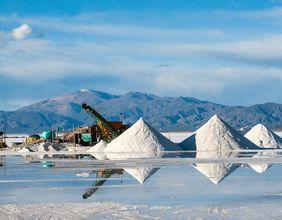
The mining sector remains a significant contributor to Australian market activity through resource extraction, production systems, and export infrastructure. Commodity markets influence equity participation through developments in metals, energy resources, and industrial materials.
Mining companies operate through extraction processes, processing facilities, and logistics systems supporting the movement of commodities across markets. These systems enable the supply of materials required for manufacturing, construction, and infrastructure development.
The integration of supply chain networks supports the transportation of resources through shipping routes, rail infrastructure, and distribution channels connected to global trade. These systems ensure the movement of commodities across regions and markets.
Within the broader ASX 300, companies operating across mining services, logistics systems, and infrastructure development contribute to sector participation. These businesses support operational frameworks across industries, enabling coordination and efficiency within market systems.
Commodity activity remains interconnected with industrial production, manufacturing systems, and infrastructure projects across global markets. Resource companies continue contributing to these systems through production and distribution networks.
Global Market Influences and Domestic Equity Activity
Global equity markets influence domestic market participation through developments across financial systems, industrial production, and technology infrastructure. International market activity contributes to sentiment within Australian equities, shaping sectoral engagement across industries.
Technology companies remain connected to developments in digital infrastructure, cloud computing systems, and communication networks supporting commercial operations. These systems enable businesses to operate across markets while maintaining connectivity with customers and supply chains.
Financial institutions also contribute through international operations, cross-border transactions, and integration with global financial systems. These connections support the movement of capital and the execution of transactions across regions.
Industrial production and manufacturing systems contribute to commodity demand and infrastructure development across global markets. Australian resource companies remain connected to these systems through export operations and participation in supply chains.
The asx all ords reflects a wide range of companies operating across financial services, industrial production, and technology infrastructure. This diversity highlights the interconnected nature of market participation across sectors and industries.
Global developments across energy markets, transportation systems, and industrial infrastructure continue influencing equity participation. These factors contribute to ongoing activity within domestic markets and sector engagement.
Technology Infrastructure and Cross-Sector Integration
Technology infrastructure continues shaping market participation through digital systems, communication networks, and data management platforms. These technologies enable businesses to operate efficiently across sectors while maintaining connectivity with global markets.
Cloud computing systems support data storage, operational coordination, and transaction processing across industries. These platforms enable companies to manage workflows, customer engagement, and digital operations within interconnected systems.
Financial systems remain integrated with technology infrastructure through payment platforms, banking networks, and cybersecurity systems. These frameworks support secure transactions and enable commercial activity across markets.
Telecommunications providers support connectivity through network infrastructure enabling communication across industries. These systems remain essential for the operation of digital platforms and coordination of business operations.
The category of ASX dividend stocks includes infrastructure and telecommunications companies connected to operational systems supporting financial and industrial activity. These businesses contribute to broader market participation through connectivity and service delivery.
Retail and service sectors continue integrating digital platforms into their operations, enabling customer engagement and transaction processing. These systems contribute to the expansion of digital commerce and financial services across industries.
Data infrastructure supports the storage and management of information required for business operations. These systems enable companies to process large volumes of data related to transactions, logistics, and customer engagement.
Healthcare, industrial, and financial sectors continue integrating digital systems into their operational frameworks, contributing to the broader ecosystem supporting market activity. These integrations highlight the interconnected nature of industries within global markets.
