
 AUS
AUS
 NZ
NZ
 UK
UK
 CA
CA
 USA
USA
 IND
IND







Highlights
- ASX 200 closes marginally lower amid mixed sector activity
- Mining and financial stocks contribute to overall market movement
- Broader Australian stock market reflects varied performance across industries
The Australian equity market operates within a diverse financial sector that includes banking, mining, healthcare, and industrial companies. The benchmark ASX 200 index, which represents a broad cross-section of listed entities, recently closed slightly lower, reflecting mixed activity across key industries. This movement also aligns with trends observed across other indices such as the ASX 100 and the broader All Ordinaries, which together capture the overall direction of the Australian equity landscape.
Market Performance Reflects Mixed Sector Contributions
The trading session displayed varied contributions from different segments of the market, with gains in certain sectors offset by declines in others. Financial stocks, which form a substantial portion of the index, demonstrated subdued activity, while resource-based companies showed fluctuating performance. This combination resulted in a slight downward movement in the overall index.
Within the broader ASX stock market, the balance between defensive and cyclical sectors played a central role in shaping the session’s outcome. Mining companies, often closely linked with global commodity trends, experienced uneven participation. This is particularly relevant within the context of ASX mining stocks, which continue to influence index direction due to their significant weighting.
The session also highlighted the ongoing interplay between domestic economic conditions and international influences. Currency movements, commodity fluctuations, and external economic developments contributed to the overall tone of trading activity.
Role of Mining and Resource Stocks in Index Movement
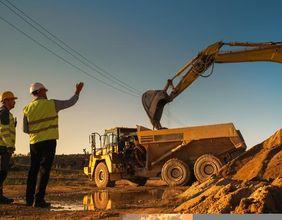
Mining and resource companies remain integral to the Australian equity landscape. Their performance often shapes broader market sentiment due to their strong presence in benchmark indices. During the session, these stocks exhibited a mix of gains and declines, reflecting shifting conditions in global commodity markets.
Companies engaged in iron ore, gold, and energy production showed varied activity, contributing to the overall balance of the index. As a result, movements within the mining sector played a noticeable role in the slight decline recorded by the benchmark.
The importance of resource stocks extends beyond immediate trading sessions. Their influence can be observed across multiple indices, including those capturing large-cap entities and broader market participation. The connection between commodity markets and equity performance remains a defining characteristic of the Australian financial environment.
Additionally, the performance of mining entities is often closely followed within the context of broader classifications such as ASX ordinaries stocks, where resource companies maintain a significant presence.
Financial Sector Activity and Broader Market Trends
The financial sector, particularly major banking institutions, also contributed to the overall market movement. As one of the largest components of the index, even modest changes within this sector can influence the direction of the benchmark.
During the session, banking stocks displayed relatively stable but slightly subdued activity. This pattern contributed to the overall balance observed across the index. The interaction between financial stocks and other sectors underscores the interconnected nature of the Australian equity market.
In addition to banking, other financial services companies, including insurance and asset management firms, demonstrated mixed activity. This contributed to the overall tone of the session, where gains and declines across sectors offset one another.
Dividend-paying companies, often categorized under ASX dividend stocks, also remained part of the broader narrative. These companies typically attract attention due to their consistent income distributions, and their performance can influence market stability during periods of mixed activity.
Broader Index Dynamics and Market Composition
The ASX two hundred index is designed to capture a wide range of industries, making it a reliable reflection of the Australian equity landscape. Its composition includes companies from sectors such as healthcare, technology, consumer goods, and industrials, in addition to mining and financials.
During the session, healthcare and technology stocks demonstrated varied activity, contributing to the overall balance of the index. Consumer-related companies also showed mixed performance, reflecting changing spending patterns and broader economic conditions.
The interaction between large-cap and mid-cap companies further shaped the index’s movement. While larger companies often dominate index direction, mid-sized entities can also contribute to overall performance through sector-specific developments.
The relationship between the ASX two hundred and other indices, including the ASX 100, highlights the layered structure of the market. Each index captures different segments, providing a comprehensive view of equity performance across various market capitalizations.
Market Sentiment and Trading Activity Overview
Market sentiment during the session remained balanced, with no single sector dominating the overall direction. Trading volumes reflected steady participation, with investors engaging across multiple sectors.
The slight decline in the benchmark index underscores the importance of sectoral balance in determining market outcomes. When gains in one area are offset by declines in another, the overall movement tends to remain modest.
This dynamic is a common feature of the Australian equity market, where the diversity of listed companies contributes to a stable yet responsive trading environment. The interplay between domestic and international factors continues to shape daily movements, influencing both short-term activity and broader trends.
The session also highlighted the role of institutional participation in maintaining market liquidity. Large-scale transactions and portfolio adjustments contributed to the overall flow of trading, reinforcing the importance of institutional engagement in the market.
