
 AUS
AUS
 NZ
NZ
 UK
UK
 CA
CA
 USA
USA
 IND
IND






Highlights
Market attention is returning to large materials producers
Resource diversification is reshaping long-term outlooks
Income reliability remains a central theme for investors
Australia’s materials sector remains central to income discussions, diversification strategies and long-term market relevance as global demand patterns continue to evolve.
Australia’s resource sector continues to command attention as shifts in global supply chains and clean-energy demand reshape capital flows. Within the ASX 200, materials companies remain central to discussions around income stability, production scale and long-term resilience. Fortescue Ltd (ASX:FMG) stands out as a widely followed iron ore producer whose evolving asset base reflects broader changes across the ASX stock market. This article explores why materials stocks are drawing renewed interest, how diversification is influencing company strategies, and what this means for income-focused portfolios.
Why Materials Stocks Matter
Australia’s materials sector underpins much of the national economy, supplying essential resources to global markets. Companies operating in this space typically benefit from established infrastructure, export demand and scale efficiencies.
Within the universe of ASX mining stocks, iron ore producers have historically provided strong cash generation during favourable commodity cycles. This has reinforced the perception of materials stocks as cornerstone holdings for income-oriented portfolios.
Fortescue at a Glance
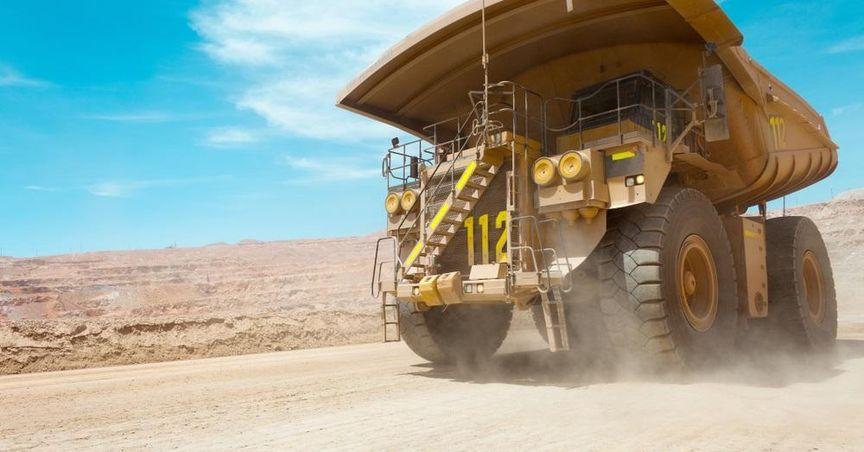
Fortescue Ltd (ASX:FMG) is an Australian-based iron ore producer with large-scale operations in Western Australia’s Pilbara region. The company focuses on mining, processing and exporting iron ore to international steelmakers.
Beyond its core iron ore business, Fortescue has expanded its exploration footprint into multiple regions, targeting minerals linked to electrification and renewable technologies. This broader resource exposure positions the company alongside peers such as BHP Group (ASX:BHP) and Rio Tinto (ASX:RIO), both of which are also pursuing diversification across critical materials.
What Is Driving Interest in Materials Shares
Global Demand Shifts
The transition toward renewable energy and electrification has increased attention on metals required for infrastructure, storage and transport systems. Iron ore remains essential for construction and manufacturing, while copper and lithium are increasingly associated with decarbonisation themes.
Australian producers benefit from proximity to Asian markets and long-established export channels, reinforcing their relevance within global supply networks.
Operational Scale
Large materials companies typically operate integrated supply chains that include mining, processing and logistics. This scale can support consistent production outcomes and operational efficiency across varying market conditions.
Income Appeal in the Sector
Why Dividends Matter
Materials stocks have long been associated with income distribution during strong commodity environments. Investors often view established producers as potential sources of recurring income due to their cash-generative assets.
Within the ASX dividend stocks category, iron ore companies have historically featured prominently, supported by export revenues and disciplined capital allocation.
Balancing Cyclicality
While income potential is attractive, materials companies remain exposed to commodity price cycles. This means income outcomes can vary over time, reinforcing the importance of understanding each company’s cost structure, asset quality and diversification strategy.
Diversification Beyond Iron Ore
Expanding Resource Portfolios
Fortescue has progressively expanded exploration efforts beyond iron ore, targeting minerals associated with future-facing industries. This mirrors broader sector trends, as large miners seek to balance traditional revenue streams with exposure to emerging demand drivers.
BHP Group (ASX:BHP) and Rio Tinto (ASX:RIO) have also increased investment in copper and battery-related materials, highlighting an industry-wide shift toward portfolio resilience.
Geographic Reach
Diversification is not limited to commodities alone. Expanding operations across multiple regions can help mitigate location-specific risks and improve access to varied resource basins.
How Materials Stocks Fit into the Broader Market
Relationship With Major Indices
Large mining companies often feature prominently in benchmark indices such as the ASX 100 and ASX ordinaries stocks. Their size and liquidity mean they can influence broader market movements, particularly during periods of commodity price volatility.
Role in Portfolio Construction
Materials stocks are often considered alongside financials and industrials when constructing diversified Australian equity portfolios. Their performance drivers differ from domestic consumption trends, offering potential balance during shifting economic conditions.
Market Conditions and Interest Rates
Lower interest rate environments can influence how investors assess income-generating assets. In such conditions, companies capable of generating strong operating cash flow may attract increased attention from income-focused participants.
Materials producers with established operations and manageable balance sheets can stand out when traditional yield alternatives appear less compelling.
Understanding Valuation Signals
Rather than relying on short-term market movements, many investors assess materials companies through longer-term indicators such as production sustainability, cost competitiveness and capital discipline.
Dividend history, while variable, can offer insight into how companies prioritise shareholder returns across different market cycles.
Risks to Consider
Commodity Exposure
Materials companies remain sensitive to changes in global demand, trade policies and production disruptions. These factors can influence revenue stability and operational planning.
Capital Intensity
Mining operations require ongoing investment in infrastructure, equipment and environmental management. Capital allocation decisions play a significant role in shaping long-term outcomes.
Why the Sector Remains Relevant
Despite cyclical challenges, materials stocks continue to play a critical role in Australia’s equity landscape. Their contribution to export earnings, employment and infrastructure development reinforces their importance within the national economy.
Companies that adapt to changing demand patterns while maintaining operational discipline may remain central to discussions around income and diversification.
As global industries evolve, the materials sector is likely to remain at the intersection of traditional infrastructure and emerging technologies. Iron ore, copper and other essential minerals continue to underpin construction, manufacturing and energy systems worldwide.
Australian producers with established operations and forward-looking strategies are positioned to navigate these shifts, maintaining relevance across multiple market environments.
