
 AUS
AUS
 NZ
NZ
 UK
UK
 CA
CA
 USA
USA
 IND
IND





Highlights
Hazer Group reflects activity within clean hydrogen and graphite technology.
Industrial decarbonisation trends shape sector participation.
Technology development and partnerships influence operational direction.
Hazer Group reflects clean energy sector activity through hydrogen technology, industrial partnerships, and integration of advanced materials within the All Ordinaries market landscape.
The clean energy and industrial technology sector represents an evolving component of the Australian equity market, encompassing companies engaged in hydrogen production, carbon management, and sustainable industrial processes. These businesses contribute to benchmark indices such as the All Ordinaries, reflecting the increasing integration of emerging technologies within broader market participation. Companies operating in this sector align with global initiatives focused on reducing emissions and advancing alternative energy systems.
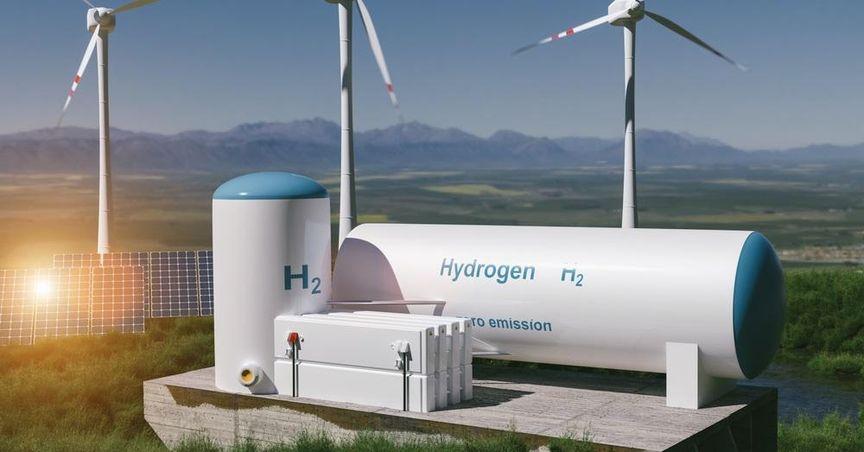
Within this landscape, Hazer Group Ltd (ASX:HZR) operates as a technology-driven company focused on developing and commercialising a proprietary process for hydrogen production and graphite generation. The company’s approach involves converting natural gas into hydrogen while producing graphite as a by-product, reflecting the integration of energy production with advanced materials development. This dual-output capability highlights the role of innovation within the clean energy sector.
Technology Development and Commercialisation Framework
Technology-focused companies operate within a structured framework centred on research, development, and commercial deployment. Hazer Group’s activities are aligned with advancing hydrogen production through a process designed to reduce carbon intensity compared to conventional methods.
The company’s technology involves methane pyrolysis, where natural gas is converted into hydrogen and solid graphite. This process differs from traditional production techniques by generating a solid carbon by-product instead of emissions associated with other methods. The resulting graphite can be utilised across industrial applications, including manufacturing and energy storage systems.
Commercialisation within this sector involves transitioning from pilot-scale operations to industrial deployment. Companies engage with engineering partners, infrastructure providers, and industrial stakeholders to support scaling activities. These efforts reflect the complexity of introducing new technologies into established industrial frameworks.
The development of hydrogen technologies aligns with broader industry trends focused on sustainability and efficiency. As industries seek alternative energy sources, the advancement of processes such as methane pyrolysis highlights the evolving nature of the energy sector.
Industrial Partnerships and Strategic Collaboration
Collaboration plays a key role in advancing technology within the clean energy sector. Companies often engage with industrial partners, research organisations, and infrastructure providers to support the development and deployment of innovative solutions.
Hazer Group has established collaborations aimed at progressing its hydrogen production technology. These partnerships contribute to technical development, knowledge exchange, and alignment with industry requirements. Strategic collaboration supports the integration of new technologies into existing industrial systems.
The involvement of industrial partners reflects the importance of cooperation in scaling clean energy solutions. Companies rely on collaborative frameworks to navigate technical challenges and align with operational needs. This approach underscores the interconnected nature of innovation and industrial application.
Collaborative initiatives also highlight the broader ecosystem within which clean energy companies operate. Partnerships enable companies to align with global trends and contribute to the development of sustainable industrial processes.
Market Environment and Clean Energy Adoption
The clean energy sector operates within a dynamic environment influenced by global efforts to transition toward lower-emission energy systems. Governments, industries, and organisations are increasingly focused on adopting technologies that support sustainability and environmental objectives.
Hydrogen has emerged as a key component within this transition, with applications across transportation, industrial processes, and energy systems. Companies engaged in hydrogen production contribute to the development of infrastructure and supply chains required to support this emerging energy source.
The inclusion of clean energy companies within indices such as the asx all ords reflects their growing relevance within equity markets. These indices capture participation across traditional and emerging sectors, highlighting the evolving composition of the market.
Adoption of clean energy technologies is influenced by regulatory frameworks, industrial demand, and technological advancements. Companies operating within this sector engage with multiple stakeholders to align with evolving environmental and operational requirements.
Integration of Advanced Materials and Energy Systems
The integration of advanced materials with energy production represents a defining feature of the clean technology sector. Hazer Group’s process generates graphite alongside hydrogen, linking energy production with materials used in industrial and technological applications.
Graphite plays an important role in manufacturing processes, battery technologies, and industrial applications. This connection highlights how clean energy companies contribute to multiple supply chains, supporting both energy and materials industries.
The dual-output nature of hydrogen and graphite production reflects the efficiency of integrated processes within the sector. Companies that combine energy production with material generation contribute to diversified industrial applications, reinforcing their role within global supply chains.
Participation across sectors also includes exposure to categories such as ASX dividend stocks, reflecting the diversity of the Australian equity landscape. The inclusion of clean technology companies within this framework underscores the expanding role of innovation-driven industries.
Sector Integration and Market Participation
The Australian equity market is characterised by strong integration across multiple sectors, where clean energy companies interact with industrial, materials, and technology-driven industries. This interconnected structure supports the development of a diverse and balanced market environment.
Hazer Group represents a participant within this integrated framework, combining energy production with advanced materials development. The company’s activities align with broader trends focused on sustainability and technological advancement.
The presence of clean technology companies within benchmark indices highlights their contribution to market diversity. As the sector continues to evolve, the interaction between energy systems, materials production, and industrial applications shapes the broader market landscape.
The integration of emerging technologies within established market structures reflects the ongoing transformation of equity markets. Companies engaged in clean energy and advanced materials contribute to this evolution, reinforcing their importance within the global economic framework.
