
 AUS
AUS
 NZ
NZ
 UK
UK
 CA
CA
 USA
USA
 IND
IND






Highlights
Integrated mining and logistics model underpins operational strength
Western Australian iron ore assets support steady market presence
Streamlined port and haulage operations enhance sector confidence
Fenix Resources demonstrates how integrated mining and logistics operations support iron ore momentum within Australia’s resource driven equity market, highlighting the value of coordination and infrastructure control.
Australia’s iron ore sector continues to attract market attention as operational discipline and logistics capability shape long term outcomes. Within the Australian share market, iron ore producers play a vital role in supporting export driven activity and regional employment. One such participant is Fenix Resources (ASX:FEX), an integrated mining and logistics business operating across Western Australia. Its recent operational update reflects how scale, efficiency, and asset alignment can reinforce confidence in resource focused equities.
As part of the broader ASX stock market, iron ore businesses remain closely watched for their ability to maintain consistent output while navigating infrastructure demands. Fenix Resources operates within this environment by aligning mine production with haulage and port services, creating a vertically integrated approach that supports operational continuity.
What Defines Fenix Resources?
Fenix Resources is an Australian iron ore producer with a fully integrated structure encompassing mining, haulage, and port operations. The company’s asset base is located in Western Australia’s Mid West region, an area known for its established export pathways and proximity to key infrastructure.
Unlike producers that rely heavily on third party logistics, Fenix Resources controls its transport chain through a dedicated haulage subsidiary and port access arrangements. This structure allows greater coordination between mine output and shipment scheduling, supporting reliability across the supply chain.
How Integrated Operations Shape Performance
Mining Efficiency in the Mid West
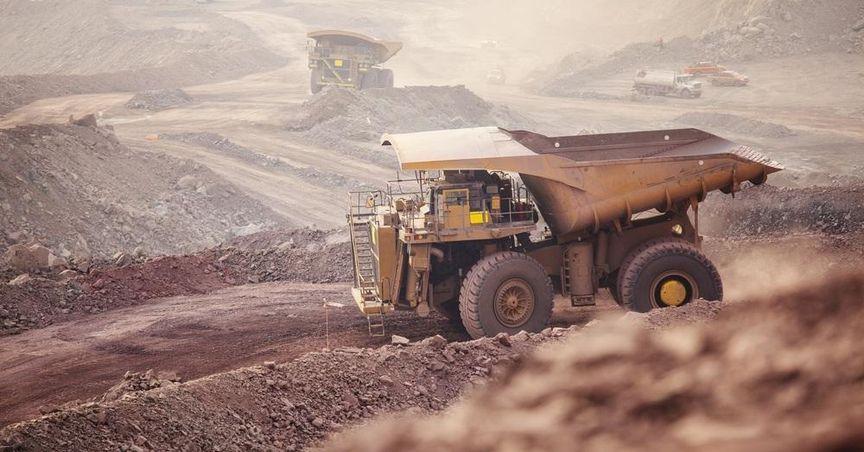
The Mid West iron ore assets operated by Fenix Resources are supported by optimised mining practices designed to maintain steady output. These practices focus on mine planning, equipment utilisation, and workforce coordination. By aligning extraction schedules with downstream logistics, the company reduces bottlenecks that can disrupt operations.
This approach reflects a broader trend among ASX mining stocks, where integration and operational control are increasingly viewed as strategic advantages. Efficient mine operations not only support output consistency but also contribute to cost discipline across commodity cycles.
Haulage Capability Through Ownership
A key differentiator for Fenix Resources is its wholly owned haulage operation. This subsidiary manages the transport of iron ore from mine sites to port facilities, allowing the company to coordinate schedules without reliance on external providers.
Ownership of haulage assets enhances flexibility, particularly during periods of high throughput. It also supports safety and maintenance standards tailored to the company’s operational requirements. In the context of the Australian resources sector, such control can provide resilience during infrastructure congestion or weather related disruptions.
Port Operations and Export Alignment
Port access remains a critical component of iron ore exports. Fenix Resources utilises streamlined port operations at Geraldton, aligning shipment schedules with production and haulage activities. This coordination supports timely export flows and reduces idle time across the logistics chain.
Port efficiency is often an overlooked factor in mining performance, yet it plays a central role in sustaining export momentum. By integrating port services into its operational model, Fenix Resources strengthens its ability to respond to market demand without compromising reliability.
Why Logistics Matter in Iron Ore Markets
Iron ore is a bulk commodity where margins are influenced not only by resource quality but also by transport efficiency. In Australia, distances between mine sites and ports can be significant, making logistics a defining factor in operational outcomes.
Fenix Resources demonstrates how a cohesive logistics strategy can support consistent activity levels. This model aligns with broader trends across ASX ordinaries stocks, where investors increasingly assess infrastructure control alongside resource potential.
How Market Context Supports Resource Businesses
The Australian equity market provides a diverse platform for resource companies to access capital and visibility. Iron ore producers form a substantial segment of this landscape, reflecting Australia’s role as a global supplier.
Within the broader market, companies with integrated operations often attract attention for their ability to manage volatility. This is particularly relevant as commodity cycles evolve and infrastructure constraints emerge. By maintaining alignment across mining, transport, and export functions, Fenix Resources positions itself within a segment of the market focused on operational coherence.
What This Means for the Broader Resources Sector
The operational update from Fenix Resources offers insight into how mid tier producers can scale activity through integration rather than expansion alone. This approach highlights the importance of asset utilisation and coordination in sustaining momentum.
For the wider resources sector, such models may influence how emerging producers structure their operations. As capital discipline becomes increasingly important, integration can provide a pathway to stability without overextension.
Where Iron Ore Fits Within Australian Equities
Iron ore remains one of Australia’s most significant export commodities, underpinning regional economies and supporting associated industries. Its presence within the Australian equity market reinforces the importance of mining to national economic activity.
Companies like Fenix Resources contribute to this landscape by demonstrating how focused asset portfolios and logistics alignment can support ongoing participation. This dynamic sits alongside other market segments such as ASX dividend stocks, which reflect different investment considerations within the same exchange.
How Operational Guidance Shapes Expectations
Operational guidance provides context rather than certainty, outlining how companies intend to manage assets under current conditions. For Fenix Resources, reconfirmed guidance reflects confidence in its integrated model and asset performance.
Such updates allow market participants to assess consistency and operational discipline. In the absence of external disruptions, guidance aligned with infrastructure capability can signal stability within a cyclical sector.
The Role of Western Australia in Iron Ore Supply
Western Australia remains central to Australia’s iron ore industry, offering established ports, skilled labour, and supportive infrastructure. The Mid West region, in particular, provides access to export pathways that enable producers to participate in global markets.
Fenix Resources operates within this environment, leveraging regional advantages while maintaining control over its logistics chain. This regional focus supports alignment between local operations and export requirements.
Integrated mining and logistics models continue to gain relevance as resource companies seek efficiency and resilience. By aligning extraction, transport, and export, businesses can reduce operational friction and respond more effectively to market conditions.
Fenix Resources illustrates how such models function in practice, offering a case study in coordination rather than scale alone. As the Australian resources sector evolves, integrated approaches may remain a defining feature of sustainable operations.
