
 AUS
AUS
 NZ
NZ
 UK
UK
 CA
CA
 USA
USA
 IND
IND







Highlights
Market momentum is rotating as resources and technology take different paths
Investor attention is shifting across major industry segments
Broader Australian equities are reflecting selective confidence rather than uniform strength
Australian equities are experiencing sector-led momentum shifts, with resources and technology diverging as investors apply selective confidence across the market.
The Australian equity landscape is entering a decisive phase as momentum reshapes across sectors, revealing clear contrasts between traditional resource leaders and growth-driven technology players. Within the ASX 200 universe, capital flows are no longer moving in unison, creating a market environment defined by divergence, resilience, and recalibration. This shift is drawing attention to how sentiment is evolving across the ASX stock market, where industry-specific narratives are increasingly influential.
Market momentum often reflects collective expectations about growth, stability, and future opportunity. In the current Australian context, those expectations are being shaped by contrasting sector dynamics rather than broad-based optimism or caution. Resources, long regarded as a cornerstone of local markets, are navigating a different path compared with technology companies, which are responding to innovation-led narratives and global digital demand.
This divergence suggests that participants are becoming more selective, weighing balance sheet strength, operational focus, and long-term relevance rather than following general market direction. The result is a more nuanced trading environment across the ASX stock market, where leadership is fluid and sentiment can vary sharply between industries.
How Are Resource Companies Responding to Changing Conditions?
Mining Leaders and Market Expectations
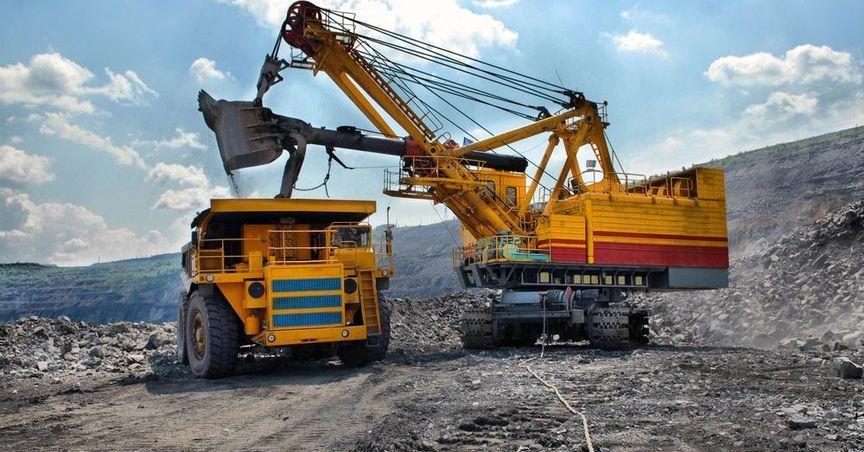
Resource companies continue to play a central role in Australian equities, particularly those involved in iron ore, energy, and diversified metals. Fortescue Metals Group (ASX:FMG) is a large-scale iron ore producer with operations focused on Western Australia, supplying global steel markets. Its performance often reflects broader trends within ASX mining stocks, where demand outlooks and operational efficiency remain key discussion points.
BHP Group (ASX:BHP), a diversified resources company with exposure to multiple commodities, represents another bellwether. Its global footprint and varied asset base position it as an indicator of how international demand influences local valuations. Rio Tinto (ASX:RIO), known for its extensive mining operations across iron ore and other materials, also contributes to shaping sentiment within the resources segment.
Together, these companies illustrate how resource-focused businesses are adapting to evolving expectations. Rather than moving uniformly, their trajectories highlight differences in asset mix, strategic priorities, and perceived resilience.
What Is Driving Divergence Within Technology Stocks?
Innovation and Growth Narratives
Technology companies on the Australian exchange are navigating a distinct set of influences. These businesses are often assessed through the lens of scalability, digital adoption, and long-term relevance rather than immediate cyclical factors. Xero Limited (ASX:XRO), a cloud-based accounting software provider serving small and medium enterprises, exemplifies how recurring revenue models and global reach shape investor perspectives.
WiseTech Global (ASX:WTC), a logistics software developer supporting international supply chains, represents another facet of the technology segment. Its solutions focus on efficiency and connectivity, aligning with broader digital transformation themes. These companies underscore how technology stocks can follow momentum patterns that differ markedly from resource-driven peers.
This contrast between tangible asset-based industries and digital platforms is a defining feature of the current market environment, reinforcing the idea that sector-specific fundamentals are guiding sentiment.
How Does Sector Rotation Affect Broader Indices?
Understanding Index Composition
The Australian market is supported by multiple indices that reflect varying levels of market capitalisation and industry exposure. While the ASX two hundred captures many of the country’s largest listed entities, other benchmarks such as the ASX 100 and ASX ordinaries stocks provide additional context.
Sector rotation within these indices can influence overall performance and perception. When resources and technology move in different directions, index outcomes may appear subdued even as individual sectors demonstrate strength. This phenomenon highlights the importance of understanding underlying composition rather than focusing solely on headline movements.
What Role Does Income Stability Play in Current Conditions?
Income-Focused Segments
In periods of divergence, income-oriented equities often attract attention for their perceived stability. Companies associated with consistent distributions can provide a sense of balance within diversified portfolios. The ASX dividend stocks segment reflects this aspect of the market, where cash flow reliability and established operations are frequently emphasised.
Although income strategies differ from growth-focused approaches, both coexist within the broader market framework. Their relative appeal can shift depending on prevailing sentiment, interest rate expectations, and confidence in economic continuity.
How Are Investors Interpreting Market Signals?
Selective Confidence Over Broad Trends
Rather than following a single narrative, market participants are interpreting signals through a selective lens. Resource companies are assessed based on operational discipline and global demand visibility, while technology firms are evaluated on innovation pipelines and scalability. This environment encourages differentiation rather than uniform positioning.
Such selectivity suggests a maturing phase in the market cycle, where discernment becomes as important as direction. It also underscores why headline indices may not fully capture the depth of activity occurring beneath the surface.
What Does This Mean for the Broader Australian Market?
A Market Defined by Choice
The current momentum shift points toward an Australian market defined by choice rather than consensus. Different sectors are responding to unique drivers, creating opportunities for varied strategies and perspectives. This diversity can enhance market depth, even when overall direction appears mixed.
As resources and technology continue to chart distinct paths, the broader equity landscape remains dynamic. Understanding these movements within context allows for a clearer view of how confidence is distributed across industries.
Looking Ahead: Navigating Divergence
Momentum shifts are a natural feature of equity markets, particularly in an economy as sector-diverse as Australia’s. The present divergence between miners and technology companies reflects changing priorities, evolving demand, and a recalibration of expectations. While no single sector defines the entire market, each contributes to the overall narrative shaping Australian equities.
By focusing on sector fundamentals and index composition, observers can better appreciate how confidence is allocated and why momentum appears uneven. This perspective is essential for understanding the current phase of the market and its potential evolution.
