
 AUS
AUS
 NZ
NZ
 UK
UK
 CA
CA
 USA
USA
 IND
IND




Highlights
ASX 200 mining stocks like South32 (ASX:S32) show significant underperformance despite steady commodity trends
China’s infrastructure support and iron ore demand provide stability to bulk commodity producers
Global economic slowdown and US tariffs add uncertainty to base metals outlook
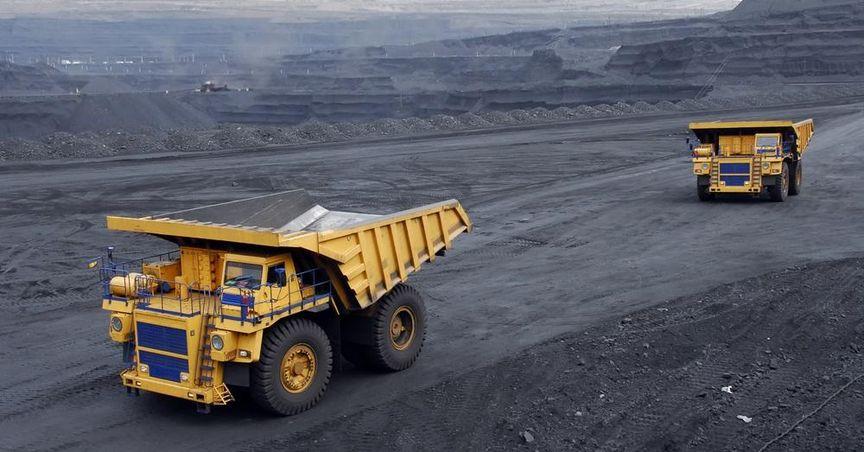
Australian mining stocks continue to lag the broader ASX 200 index, reflecting challenges faced by the resources sector despite a stable commodity environment. Companies such as South32 (ASX:S32), with operations spanning base and bulk metals, have seen significant downward pressure, even as iron ore prices remain supported by China’s steady production activity and ongoing monetary stimulus.
While the broader index maintains relative resilience, mining equities have struggled under the weight of global demand concerns, inflationary pressures, and policy-driven shifts across major economies.
China Maintains Supportive Base for Iron Ore Demand
The iron ore market continues to draw strength from China’s industrial activity. Pig iron production and monetary indicators point toward consistent demand for steelmaking materials, bolstered by ongoing infrastructure projects and non-residential construction initiatives.
China’s property sector, although still under pressure, shows signs of bottoming out. Excavator sales and industrial financing data point to gradual momentum building in construction-linked industries. These trends are critical for maintaining demand stability for bulk commodities such as iron ore.
However, order books for Chinese infrastructure contractors have shown a slight reduction, pointing to a pause in project pipelines. Any rebound in orders later in the year may help sustain current demand levels.
Base Metals Face Global Demand Challenges
In contrast to iron ore, base metals remain exposed to shifting global trade flows and broader economic challenges. The introduction of tariffs in key economies, including the phased rollout of US duties, has altered import timelines and contributed to a build-up of inventories. This front-loading of shipments has distorted demand patterns and may lead to a slump once the backlog clears.
Manufacturing activity indicators across developed regions reflect a cautious environment. Data from Europe highlights weaker sentiment, while services sectors in major economies have also begun to show signs of fatigue. These conditions weigh on consumption of base metals used in transport, electronics, and energy sectors.
South32 (ASX:S32), with its diversified exposure to aluminium, nickel, and other industrial inputs, remains highly sensitive to these global demand shifts.
Valuations Depressed Amid Prolonged Sector Weakness
The mining sector's continued underperformance relative to the ASX 200 has compressed valuations to historically low levels. Bulk miners, in particular, are now trading at deep discounts based on long-term earnings expectations. This gap reflects ongoing caution across global markets, driven by the interplay between resilient Chinese demand and fragility in other key regions.
South32 (ASX:S32) has experienced pressure as sentiment on base metal demand weakens outside of China. Although commodity prices have not collapsed, the broader caution surrounding industrial activity continues to weigh on the share performance of diversified miners.
Outlook Shaped by Economic Indicators and Policy Directions
Mining equities remain highly responsive to changes in fiscal and trade policy across key economies. While China’s infrastructure spending and monetary policy provide a measure of stability for bulk commodities, the broader environment remains fragile due to external economic pressures.
Base metal producers face more uncertain demand trajectories, influenced by slower manufacturing growth and geopolitical shifts. As the global economy navigates a complex mix of policy adjustments and structural headwinds, Australian miners listed on the ASX 200 remain in focus for their exposure to these evolving dynamics.
