
 AUS
AUS
 NZ
NZ
 UK
UK
 CA
CA
 USA
USA
 IND
IND





Highlights
Big miners pushed to fresh yearly highs.
Commodity cues and global demand set the tone.
Investors tracked sector leadership and risk signals.
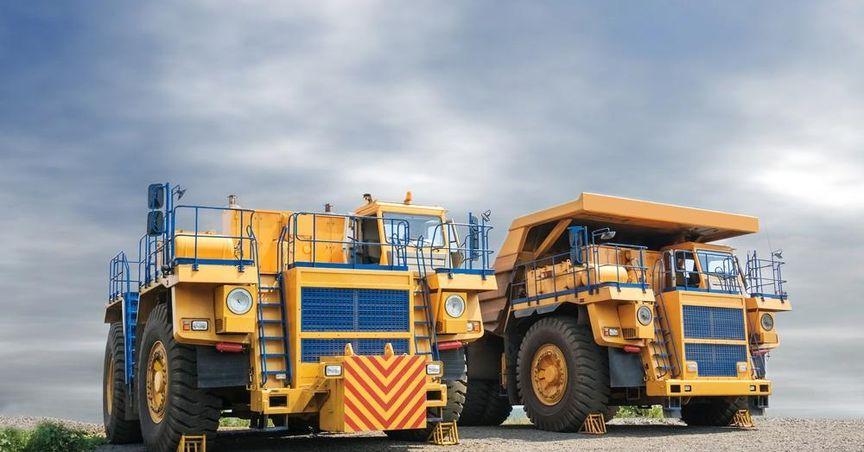
Major Australian miners reached fresh highs as commodity cues and sector flows supported sentiment. Resources leadership stayed prominent, with investors watching demand signals, currency effects, and whether strength broadens across the market.
Australia’s resources market can move fast when global demand, commodity pricing cues, and local sentiment align—and this week delivered that familiar spark. In the spotlight were market-leading miners that sit inside the ASX 200, including BHP Group Ltd (ASX:BHP), Fortescue Ltd (ASX:FMG), Rio Tinto Ltd (ASX:RIO) and Sandfire Resources Ltd (ASX:SFR), as momentum resurfaced across the sector and renewed attention fell on ASX mining stocks.
What makes the resources sector so market-sensitive?
Resources shares often act like a live readout of global activity. Prices for key commodities can shift on changing industrial demand, shipping flows, inventory signals, and currency moves—then filter rapidly into Australian share trading. That’s why the space tends to be closely watched by traders, longer-term investors, and anyone following the ASX stock market for sector leadership.
In Australia, large diversified miners carry extra influence because they sit across major commodities and global operations. When these stocks move together, it often shapes broader market mood, index performance, and sector rotations.
Which miners drew attention with fresh highs?
What is BHP Group and why is it closely watched?
BHP Group is a diversified global miner with exposure across major bulk commodities and metals used in industrial supply chains. Because of its scale and index presence, BHP is frequently treated as a bellwether for resources sentiment and for how investors are reading global industrial conditions.
What is Fortescue and what does it represent in the market?
Fortescue is a large Australian iron ore producer. Market attention tends to centre on how bulk commodity narratives are developing, including steel-linked demand signals and broader shifts in expectations around supply and cargo flows.
What is Rio Tinto and why does it draw sustained interest?
Rio Tinto is another large diversified miner with international operations and broad commodity exposure. Investors commonly watch for signals tied to operational execution, commodity cycles, and whether the wider industrial environment is leaning supportive.
What is Sandfire Resources and why is it considered copper-focused?
Sandfire Resources is a copper producer. Copper is used across construction, power networks and manufacturing, which often makes it a closely watched metal when markets are assessing industrial momentum and electrification-linked infrastructure themes.
What makes “fresh highs” matter for market sentiment?
Fresh highs can do more than generate headlines. They can change behaviour. When a cluster of large names reaches new peaks, it can encourage participation, lift visibility, and shift the market’s tone from cautious to constructive.
Fresh highs can also act like a public scoreboard: they suggest buyers are willing to pay up even after earlier gains. That dynamic doesn’t guarantee a straight run from here, but it often changes the conversation around leadership and relative strength.
What’s typically behind a broad lift in major miners?
When several large miners rise together, the driver is often macro rather than company-specific. Common forces include:
Commodity demand narratives
Markets re-price resources quickly when industrial demand expectations improve, whether the signal comes from construction activity, infrastructure cycles, or manufacturing momentum.
Supply and shipping cues
Supply stability, shipping patterns, and inventory signals can influence short-term commodity pricing, which then shapes how investors value producers.
Currency effects
A shift in currency conditions can change how international commodity pricing translates into local revenue expectations, affecting sentiment.
Market flows and sector positioning
When resources leadership becomes the dominant narrative, sector exposure can increase through passive and rules-based allocations, reinforcing strength in the largest names.
How are iron ore and copper narratives different?
Iron ore and copper may sit under the same broad sector umbrella, but they often trade on different stories.
Iron ore
Iron ore narratives are closely tied to steel-linked demand and construction cycles. Sentiment can shift rapidly when markets interpret demand signals differently.
Copper
Copper can move with traditional economic growth signals, but it can also attract attention for longer-cycle infrastructure and electrification themes. That mix can sometimes support stronger interest when markets want exposure beyond bulk commodity cycles alone.
How can sector leadership show up across Australian equities?
Sector leadership usually becomes obvious when the largest companies in a sector start outperforming and that strength persists. In Australia, resources leadership can shape broader indices because large miners are widely held and closely tracked.
To gauge whether strength is narrow or broader, some investors compare large-cap behaviour with wider benchmarks like the ASX 100 and broader lists such as the ASX ordinaries stocks. This can help indicate whether momentum is concentrated in a handful of leaders or spreading across a wider set of names.
What risks can rise when a sector runs strongly?
Even when the backdrop feels supportive, risks can increase when a theme becomes crowded. Common risk triggers include:
-
A pullback in commodity pricing cues that resets sentiment
-
A sharper reaction to global macro headlines
-
A shift in positioning that reduces incremental demand for the sector
This does not mean the theme ends; it means the path can become more volatile, and the market may demand fresher confirmation to keep the narrative intact.
Where do income themes fit into resources discussions?
Resources are often discussed through commodity cycles, yet income narratives can still matter depending on company policies and market conditions. Readers exploring income angles across Australian equities can also track broader dividend-themed coverage such as ASX dividend stocks, particularly when market leadership rotates and investors reassess what they value most.
