
 AUS
AUS
 NZ
NZ
 UK
UK
 CA
CA
 USA
USA
 IND
IND

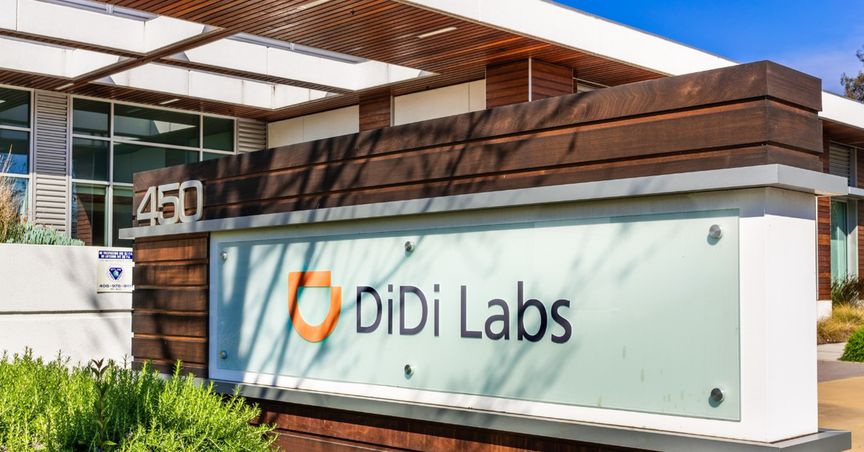





Didi Global Inc (NYSE:DIDI) is set to debut on New York Stock Exchange under the ticker 'DIDI' on Wednesday, June 30.
The Chinese ride-hailing giant raised US$4.4 billion in an upsized deal on Tuesday after setting the IPO price at US$14, at the top of its indicated range, multiple reports indicated.
Didi reportedly sold 317 million American Depository Shares (ADS), giving it a US$67 billion valuation (non-diluted basis).
It is backed by technology stalwarts like Tencent Holdings (TCHEY), Uber Technologies, Inc (Uber), and private equity player SoftBank (SFTBY).
The journey so far and the road ahead
The idea of Didi was conceptualized on the streets of Beijing on a cold winter night. Transportation is major a challenge in cities like Hong Kong and Beijing amid freezing temperatures in winter. Didi aimed to help people hail taxis and cater to safe rides in and around the city.
The company was founded by Will Wei Cheng and Jean Qing Liu, who wanted to make cities lovely and liveable and transform lives by making them more manageable with better access to taxis.
Over time, Didi touched many lives, earning passenger's trust and emerging as a source of income to drivers. The company's services include hailing taxis, bike rides, chauffer and other shared mobility services. As of the first quarter of 2021, Didi has an active annual user base of 493 million, a dynamic driver base of 15 million, serving approximately 4000 cities and towns located in 15 countries.
Till FY2020, Didi's global penetration was two per cent in shared mobility and one per cent in the electric vehicle segment. Market analysts believe its global penetration can rise to 24 per cent in shared mobility and 29 per cent in the electric vehicle segment by the end of FY2040.
The company's management boasts of a cutting-edge mobile technology platform with an average daily usage of 41 million users. The founders emphasize that the annual active user in other countries has been growing at a CAGR of 63.5 per cent to reach 60 million as of March 31, 2021.

© Kalkine Image 2021
Didi's financial performance
Didi mines its revenue from three key segments: China mobility, international business, and other initiatives.
The China mobility segment is the largest and accounts for 90 per cent of its total revenue. The international business comprises food delivery services and ride-hailing services.
The total revenue dropped to RMB 141,736 million in 2020 from RMB 154,786 million in 2019. The cost of operations was RMB 125,824 million in 2020, versus RMB 139,665 million in 2019. Its revenue from China dropped to RMB 133,645 million in 2020 from RMB 147,940 million in 2019.
The net loss in FY2020 was RMB 10,608 million in 2002.
Is Didi profitable?
The company is yet to churn profits.
The pandemic outbreak put a question mark on its sustainability after it temporarily winded down some of its services and facilities amid global restrictions on travel and movement. Impact on operations along with increased R&D, sales, and marketing expenses led to net loss. Although with positive cash flow from operations and end of the year cash balance, Didi seems to be managing its daily operational expenses well.
Didi has incurred loss continuously since FY2018, putting a question on its profitability.
When and where to buy Didi stocks?
The initial public offering of DIDI is in the form of American depository shares (ADS). Each ADS represents Class A ordinary shares of par valued at US$0.00002 per share.
There has been no previous offering of ADS to the public. The upzised IPO offer price was US$14.
The US Securities and Exchange Commission has regulated and approved that each Class A ordinary share is only entitled to cast one vote.
The Didi stock will be listed on the NYSE under the ticker symbol "DIDI". Investors can trade and invest in DIDI stocks from Wednesday, June 30, 2021.
