
 AUS
AUS
 NZ
NZ
 UK
UK
 CA
CA
 USA
USA
 IND
IND




Highlights
- Energy market changes are affecting aluminium production costs through electricity demand and global freight networks.
- Alcoa operates across bauxite mining, alumina refining and aluminium smelting activities worldwide.
- The company remains part of the industrial group represented by the Russell 1000 index.
Alcoa (NYSE:AA) operates in the metals and mining sector, with activities spanning aluminium production, refining and raw material extraction. The companys operations connect upstream mining activities with industrial manufacturing supply chains, making energy availability, transportation networks and industrial demand important parts of its business environment.
The aluminium industry is among the most electricity-intensive areas of manufacturing. Smelting requires continuous electrical power to transform alumina into aluminium metal, meaning electricity arrangements are a central operating factor for producers. Changes in energy markets, freight conditions and industrial activity can influence conditions across the aluminium supply chain.
As a member of the broader large-cap industrial universe represented by the Russell 1000, the company operates within a group that includes major businesses from multiple sectors across the United States economy.
Integrated Aluminium Operations
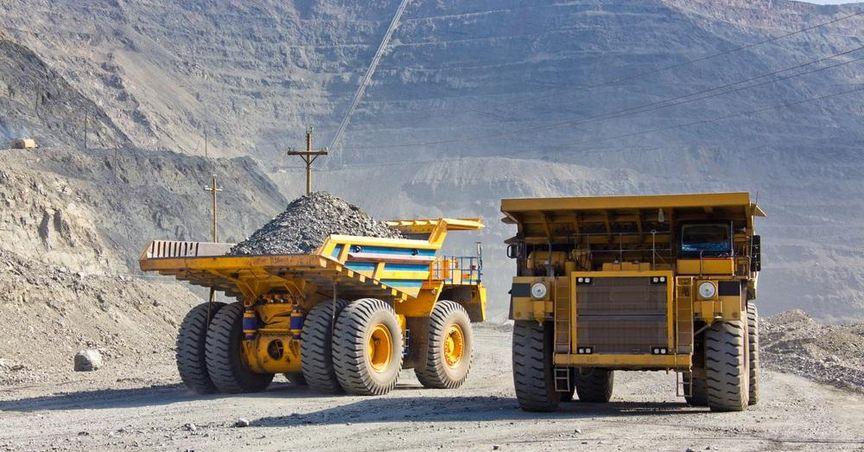
The business covers several stages of aluminium production. Bauxite mining provides the raw material required for alumina production, while refining facilities convert bauxite into alumina before the material moves into smelting operations.
Smelters use electrolysis to separate aluminium from alumina, creating primary aluminium that can be shaped into products such as billets, slabs and ingots. These materials are used by manufacturers across transportation, aerospace, construction, packaging and electrical infrastructure industries.
The integrated structure allows activities across different parts of the aluminium chain to operate together. Mining locations, refining facilities and smelters are generally positioned around access to resources, transportation routes and reliable electricity supplies.
Electricity Remains Central to Production
Aluminium production depends heavily on electricity because smelting requires large and consistent power consumption. Regions with access to hydroelectric generation have historically attracted aluminium facilities due to the importance of stable energy supplies.
The company operates facilities in several international locations, including areas where renewable electricity sources contribute to industrial operations. Power arrangements can influence operating conditions because electricity represents one of the largest components of aluminium production expenses.
Energy market changes also affect transportation. Bauxite and alumina are commonly moved across long distances by sea, creating exposure to shipping availability, fuel costs and logistics conditions. Higher freight expenses can affect the movement of raw materials and finished aluminium products.
Industrial Demand and Aluminium Applications
Aluminium is used across a wide range of industries because of its lightweight characteristics, durability and ability to be recycled repeatedly. Automotive manufacturers use aluminium components to reduce vehicle weight, while aerospace producers use the metal in aircraft structures.
Construction remains another major area of aluminium use through applications such as building frames, facades and structural materials. Electrical infrastructure also relies on aluminium because of its balance between conductivity, weight and cost efficiency.
The demand environment for aluminium is connected to broader industrial activity. Changes in vehicle manufacturing, construction projects, infrastructure development and manufacturing output can influence consumption patterns.
Trade Conditions and Global Competition
The aluminium industry operates within a global marketplace where production levels, trade measures and regional supply conditions influence business activity. China represents a major part of global aluminium production, making developments in Chinese capacity and output important for the international market.
The company competes with producers across several regions, including businesses with access to different energy sources, labour conditions and resource locations. Competition within aluminium production is closely linked to operational efficiency, resource access and energy availability.
Trade conditions have also shaped the aluminium sector. Changes affecting imported and exported metal can influence supply chains, regional availability and manufacturing relationships between producers and customers.
Environmental Focus Across Aluminium Production
Aluminium production has historically been associated with significant energy consumption and emissions. The sector has focused on reducing environmental impact through improved energy efficiency, renewable electricity use and lower-emission production technologies.
Recycling has become an important part of aluminium supply. Recycled aluminium requires significantly less energy than primary aluminium production, allowing secondary metal to support industrial demand while reducing resource requirements.
The company has worked on technology initiatives aimed at reducing emissions associated with aluminium production. These efforts reflect broader changes across heavy industry as manufacturers seek more efficient production methods.
Position Within the Broader Industrial Market
The aluminium producer operates within the industrial landscape tracked by the Russell 1000. Industrial companies within this index cover areas such as manufacturing, materials, transportation and infrastructure-related activities.
The companys connection to aluminium links it with several major economic segments. Transportation demand connects aluminium consumption with vehicle and aircraft manufacturing, while construction demand links the sector with building activity and infrastructure development.
Energy conditions, supply chain performance and industrial output remain important themes affecting aluminium producers. These factors shape how raw materials move through the production system and how finished products reach customers.
Operational Developments and Global Presence
Alcoa (NYSE:AA) maintains a global operating footprint involving mining, refining and smelting assets across multiple regions. The companys activities include managing resource access, production facilities and relationships across the aluminium value chain.
Operational priorities include maintaining production reliability, improving efficiency and adapting facilities to changing industrial requirements. The aluminium sector continues to evolve through technological improvements, recycling expansion and changes in global manufacturing patterns.
The companys position within the Russell 1000 reflects its presence among significant United States-listed businesses with operations connected to the global materials industry.
