
 AUS
AUS
 NZ
NZ
 UK
UK
 CA
CA
 USA
USA
 IND
IND






Highlights
- Copper demand is rising with AI infrastructure.
- Data centers are lifting metals' attention.
- Energy costs remain a mining pressure point.
Copper demand is gaining strength from AI infrastructure, electrification, and global build-outs, while mining costs, supply limits, and execution remain key factors for the sector.
Freeport-McMoran Copper & Gold Inc (NYSE:FCX) is gaining attention as copper moves deeper into the market conversation around AI data centers, electrification, and global infrastructure spending. The company is one of the world’s largest publicly traded copper producers, with large-scale mining assets across major resource regions. Its copper-focused profile also places it inside the broader S&P 500, where commodity-linked names can become important when industrial metals enter a stronger demand cycle.
Copper Takes Center Stage
Copper has become more than a traditional industrial metal. It is now closely linked with digital infrastructure, power networks, renewable energy, transportation upgrades, and factory modernization. This shift has made copper producers more visible as markets assess how much metal will be needed to support the next phase of global development.
Freeport-McMoRan sits at the center of this theme because of its large copper production base. The company also produces gold and molybdenum, but copper remains the main driver of its market identity. As demand conversations expand from construction and manufacturing into AI infrastructure, the company’s role in the copper supply chain has become more prominent.
The latest attention around copper is not only about near-term commodity movement. It is also about whether global supply can keep pace with demand from power-hungry technologies, grid expansion, and large infrastructure programs.
AI Data Centers Lift Demand
AI data centers are emerging as a major copper demand source. These facilities require extensive electrical wiring, power distribution systems, cooling networks, transformers, and server connections. Copper’s conductivity makes it central to these systems, especially where reliability and energy efficiency are critical.
The AI build-out has increased the importance of physical infrastructure behind digital growth. While attention often goes to chips, cloud platforms, and software systems, every advanced computing facility depends on a strong power backbone. Copper helps carry that power across the facility and supports systems that keep servers operating under heavy workloads.
This creates a direct link between AI adoption and copper consumption. As more companies expand computing capacity, data center construction can add another layer of demand alongside traditional infrastructure and electrification.
Infrastructure Adds Support
Global infrastructure spending continues to support the copper story. Roads, bridges, transport systems, energy networks, water projects, and communication systems all use copper in different forms. Electrical grids, broadband networks, and power systems are especially important demand areas.
Government-backed infrastructure programs in developed markets and urban expansion in emerging economies are both contributing to copper use. As cities grow and power systems modernize, copper becomes essential to building stronger and more flexible networks.
This theme also connects with the broader technology stock landscape, because digital growth requires physical materials. Data centers, smart factories, connected devices, and advanced transport systems all depend on real-world metals and energy systems.
Electrification Expands Use
Electrification is another major demand driver. Electric vehicles, charging networks, renewable power systems, energy storage, and grid upgrades all require copper. Compared with older energy systems, electrified platforms often need more wiring, stronger power management, and improved transmission capacity.
Electric vehicles use copper across motors, battery systems, charging hardware, and control units. Renewable energy projects use copper in wind turbines, solar systems, and related transmission infrastructure. Grid modernization adds further demand through substations, power lines, and storage connections.
This gives copper a structural role in the energy transition. Freeport-McMoRan’s scale makes it one of the major companies tied to this long-term shift, especially as global economies continue upgrading power networks.
Operations Matter
Freeport-McMoRan’s operations span major copper-producing regions, including assets in the Americas and Indonesia. Its Grasberg operation in Indonesia is one of the world’s most important copper and gold mining assets and remains central to the company’s production profile.
Large mining operations require major planning, technical skill, and capital discipline. Copper mines can take many years to develop, and existing mines often need ongoing investment to sustain output. This makes operational execution important when demand expectations rise.
The company’s work across underground development, mine life extension, and processing improvements remains central to its ability to support future production. In mining, scale matters, but reliability matters just as much.
Supply Stays Tight
Copper supply does not respond quickly to demand changes. New mines require long approval timelines, large capital commitments, infrastructure access, environmental assessments, and complex engineering. This creates a slow supply response when demand rises quickly.
Ore grade decline is another challenge for the metal & mining stock industry. Many mature mines require more material to be processed to produce the same amount of copper. That can raise energy use, water needs, and operating complexity.
Geopolitical risk also affects copper supply. Some major copper-producing regions face regulatory shifts, labour issues, or infrastructure challenges. Freeport-McMoRan’s diversified footprint may help reduce dependence on any single operating region, though mining remains exposed to local conditions.
Energy Costs Create Pressure
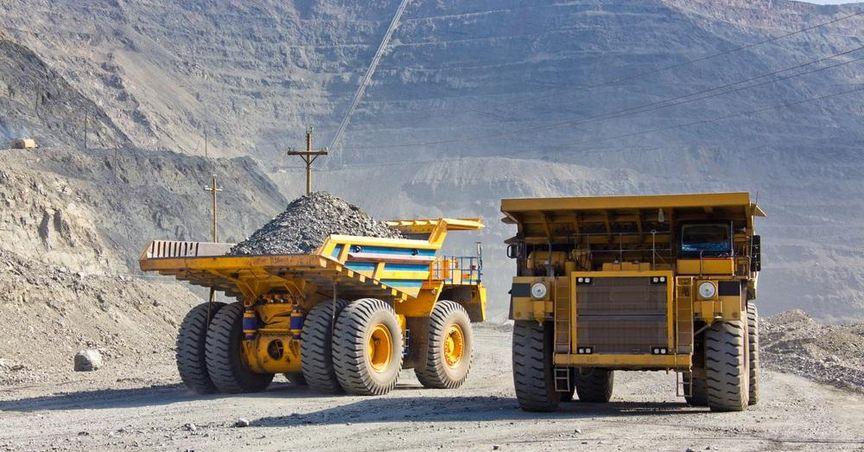
Mining is energy-intensive. Large trucks, processing plants, underground systems, ventilation, and pumping equipment all require significant fuel and electricity. When oil prices rise, cost pressure can increase across the mining chain.
This matters because copper strength does not automatically remove operating risks. A stronger demand backdrop can support market interest, but higher input costs can affect margins. The balance between copper pricing, energy costs, labour availability, and production efficiency remains important for mining companies.
For Freeport-McMoRan, managing this balance is key. The company needs to maintain output, control spending, and keep projects aligned with demand conditions.
Market View
Copper’s role is evolving from a standard industrial input into a strategic material for AI infrastructure, electrification, and global development. That shift has made Freeport-McMoran Copper & Gold Inc (NYSE:FCX) more relevant to a wider market audience.
The company is not just tied to mining cycles. It is tied to power demand, digital infrastructure, renewable energy, manufacturing upgrades, and large-scale public construction. These themes give copper a broader market identity.
Still, the copper story depends on execution. Supply constraints may support the metal’s importance, but mining companies must manage costs, project timelines, and operational risk. Freeport-McMoRan’s position remains closely tied to how well copper demand converts into sustained operating strength.
