
 AUS
AUS
 NZ
NZ
 UK
UK
 CA
CA
 USA
USA
 IND
IND






Highlights
- BHP is strengthening its copper growth strategy.
- Arizona and Chile move to expand copper exposure.
- Electrification demand keeps copper supply in focus.
BHP strengthens copper exposure through Arizona and Chile moves as electrification demand reshapes mining strategy.
BHP Group, (NYSE:BHP) one of the world’s largest diversified mining companies, is drawing fresh attention after advancing its copper strategy on two major fronts. The company’s Arizona property transfer and Chile mine reopening plan show a clear push toward copper, a metal increasingly linked with electrification, renewable energy systems, electric vehicles, and grid expansion. The moves also place BHP firmly within the broader materials market conversation, where the NYSE Composite continues reflecting activity across major global companies listed in the United States.
Copper Strategy Takes Center Stage
BHP’s latest copper actions show how strongly the company is positioning itself for long-term demand tied to electrification. Copper remains essential for power networks, renewable energy projects, industrial equipment, and electric mobility. As global economies expand clean energy infrastructure, demand for reliable copper supply continues gaining importance.
The company’s approach is not limited to one project or one geography. Instead, BHP is using multiple routes to increase future copper exposure. This includes partnerships, equity participation, and the possible restart of existing assets. Such a strategy gives the company flexibility while keeping it connected to future supply development.
For a mining giant with exposure to iron ore, copper, coal, nickel, and potash, the renewed copper emphasis signals a clear shift toward metals tied to long-term energy transition needs.
Arizona Deal Builds Optionality
BHP’s transfer of the San Manuel copper property in Arizona to Faraday Copper gives the company exposure to a developing copper hub without taking on the full operating burden of the project. Faraday Copper is a Canadian mineral exploration and development company focused on copper assets in Arizona.
The San Manuel property carries historical importance in American copper mining. The region has long been associated with copper production, and Arizona remains one of the most important copper jurisdictions in North America.
Through this transaction, BHP gains participation in Faraday’s future development pathway while allowing a junior mining specialist to advance the project. This structure helps BHP remain connected to a possible copper supply source while managing development risk more carefully.
The Arizona move also has strategic value because North American copper supply is becoming increasingly important as policymakers and industries focus on secure critical mineral supply chains.
Chile Mine Restart Advances
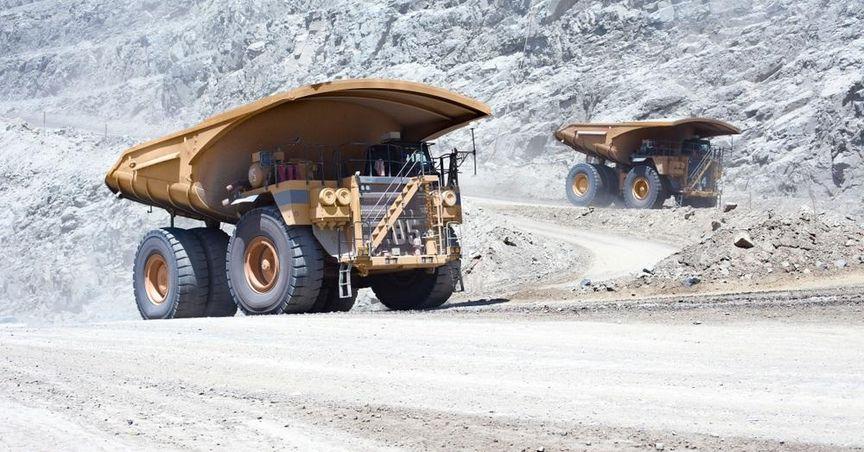
BHP’s plan to reopen the Cerro Colorado copper mine in Chile adds another layer to its copper expansion strategy. Chile remains the world’s most important copper-producing country, and its metal mining stock regions are central to global supply.
Cerro Colorado had previously been placed on care and maintenance due to operating challenges and market conditions. The decision to begin a reopening process suggests that BHP sees a more supportive copper environment ahead.
Restarting a mine is not simple. It requires capital planning, workforce preparation, infrastructure review, environmental processes, and operational discipline. However, existing assets can sometimes return faster than entirely new projects, making restarts important when supply concerns intensify.
For BHP, Cerro Colorado provides an opportunity to add future copper capacity from a known asset base in a globally significant mining jurisdiction.
Escondida Remains Core Asset
BHP’s copper position is already anchored by Escondida in Chile, widely recognized as the world’s largest copper mine. The asset remains central to the company’s copper production profile and global mining relevance.
Large copper mines face ongoing challenges, including ore grade decline, water use, processing efficiency, and operational reliability. BHP has continued investing in infrastructure and technology to support Escondida’s long-term performance.
Water management remains especially important in Chile’s Atacama region, where mining operations must balance production needs with sustainability expectations. Desalination and water infrastructure have become essential parts of long-term copper operations in the region.
Escondida gives BHP an established copper foundation, while Arizona and Cerro Colorado add future growth optionality around that core base.
Electrification Demand Drives Copper
Copper demand is increasingly tied to electric vehicles, renewable energy, grid upgrades, and industrial electrification. These trends require large volumes of conductive metal, making copper one of the most closely watched commodities in the global energy transition.
BHP’s recent moves reflect this backdrop. The company appears focused on ensuring that its portfolio remains aligned with future demand themes rather than relying only on traditional mining segments.
The broader copper story also connects with Infrastructure and Real Estate , as grid expansion, energy networks, and industrial development require substantial material input over time.
Supply remains a key issue. New copper mines often take many years to develop, while existing mines face declining ore grades and rising complexity. This makes strategic partnerships and mine restarts important tools for major mining companies.
Portfolio Shift Gains Focus
BHP Group, (NYSE:BHP) dual copper moves highlight a broader portfolio shift within global mining. Iron ore remains important to the company, but copper is becoming more central to long-term strategy.
The Arizona partnership offers exposure to a developing North American copper district. The Chile restart effort supports additional capacity from a known mining region. Together, these moves show a company preparing for a market where copper supply could become increasingly valuable.
The key question now is execution. Partnerships must advance responsibly, mine restarts must meet operating expectations, and copper demand must continue tracking electrification forecasts.
For now, BHP’s latest actions show a deliberate effort to strengthen its copper pipeline while maintaining flexibility across global mining markets.
