
 AUS
AUS
 NZ
NZ
 UK
UK
 CA
CA
 USA
USA
 IND
IND



Highlights
- Caterpillar operates across construction, mining, energy, transportation, and power equipment markets within the industrial sector.
- A Strait of Hormuz shipping disruption has placed energy costs, freight conditions, and machinery demand into focus.
- The company remains connected to the Dow Jones Industrial Average through its role as a major industrial manufacturer.
Caterpillar (NYSE:CAT) operates in the industrial equipment sector, providing machinery, engines, power systems, and related services for construction, mining, energy, transportation, and infrastructure activities worldwide. The company is part of the industrial sector, with operations spanning several markets that depend on commodity activity, construction spending, and global equipment demand.
The companys presence in the [Dow Jones Industrial Average] reflects its position among major industrial manufacturers in the United States. Movements across industrial markets have placed attention on equipment producers as energy conditions, supply chains, and infrastructure activity continue to shape the broader manufacturing environment.
Global Machinery Operations and Product Range
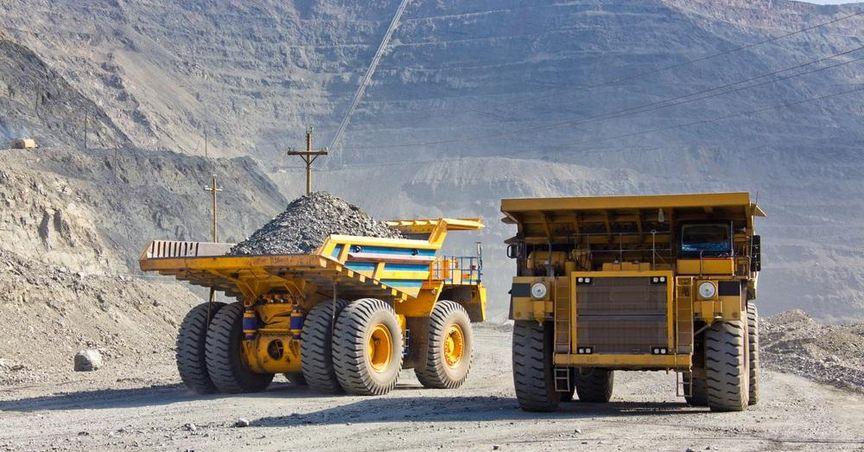
Caterpillar produces a wide range of equipment used across construction, mining, and resource industries. Construction machinery includes excavators, loaders, dozers, and compact equipment used in residential, commercial, and public infrastructure projects. Resource Industries supplies large mining machines, including haul trucks and equipment designed for surface and underground mining operations.
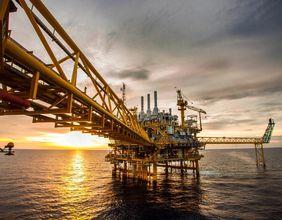
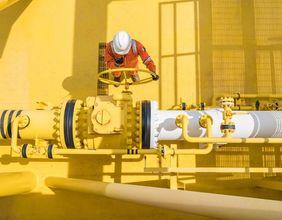
The Energy and Transportation segment provides engines, turbines, power generation systems, and transportation-related solutions. These products serve industries such as oil and gas, marine transportation, rail, and electric power generation.
The company also operates a global dealer network that supports equipment maintenance, replacement components, and customer services. This network extends across many regions, allowing equipment users to access parts and technical support near operating locations.
Hormuz Shipping Disruption and Energy Market Effects
A renewed shipping disruption near the Strait of Hormuz has drawn attention to global energy markets and industrial supply chains. The region is a significant route for energy transportation, and disruptions can affect fuel availability, freight movement, and logistics expenses.
For heavy equipment manufacturers, energy conditions influence both customer activity and manufacturing costs. Mining companies, construction firms, and energy producers rely on machinery that consumes fuel and requires transportation of large components. Changes in fuel expenses can affect operating conditions across these industries.
Caterpillars equipment supports energy-related activities, including drilling support, power generation, and resource extraction. At the same time, manufacturing operations depend on materials such as steel, components, and transportation services, creating links between global energy conditions and industrial production.
Mining, Construction, and Infrastructure Connections
Mining represents one of Caterpillars important operating areas. Large mining machines are used to extract commodities such as copper, iron ore, coal, and other minerals. Commodity activity influences the pace of equipment replacement, fleet expansion, and maintenance requirements across mining operations.
Construction remains another major area of activity. Equipment demand is connected to commercial construction, infrastructure development, road building, and urban expansion. Public infrastructure programs in several regions have supported continued activity within construction equipment markets.
The companys machinery is also connected to the expanding need for electrical infrastructure. Data centres, power networks, and industrial facilities require construction equipment, generators, and related systems during development and operation.
Industrial Sector Trends and Dow Jones Industrial Average Connection
As a component of the [Dow Jones Industrial Average], Caterpillar represents the manufacturing side of the US economy. The index includes companies from various industries, and industrial manufacturers often reflect conditions across construction, transportation, commodities, and business activity.
The broader industrial sector has experienced changing conditions due to supply chain adjustments, material costs, and varying demand across end markets. Equipment manufacturers operate within this environment by balancing production capacity, component availability, and customer requirements.
Caterpillars business model includes manufacturing facilities across different regions, allowing production activities to serve customers in multiple geographic markets. The companys international presence connects it to industrial cycles in North America, Europe, Asia, Latin America, and other regions.
Power Systems and Energy-Related Equipment
The companys power systems business provides engines and generation equipment for multiple applications. These include backup power solutions for facilities, marine engines, and equipment used in energy production.
Electricity demand has increased due to expanding digital infrastructure, manufacturing facilities, and industrial projects. Power reliability remains an important factor for many businesses requiring continuous operations.
Caterpillars power generation products are used in sectors where dependable energy supply is required. These applications include hospitals, industrial facilities, remote locations, and infrastructure projects.
Supply Chain Management and Manufacturing Operations
Large machinery production requires complex supply chains involving metals, electronic components, engines, and specialized parts. Global transportation conditions can influence manufacturing schedules and component availability.
The company has continued adjusting its manufacturing processes and supplier relationships to manage changing industrial conditions. Regional production capabilities and dealer networks play a role in maintaining equipment availability across different markets.
The industrial manufacturing environment has also been shaped by changing technology requirements. Equipment producers are developing solutions involving automation, digital monitoring, and improved operational efficiency.
Technology Integration Across Heavy Equipment
Caterpillar has incorporated digital technologies into its equipment ecosystem through connected machinery, fleet monitoring systems, and automation solutions. These technologies allow equipment operators to track machine activity, maintenance requirements, and operating conditions.
Mining operations have increasingly adopted autonomous equipment systems to improve operational control and data collection. Construction customers have also used digital tools to manage equipment fleets and project activities.
Technology integration has become a significant feature of modern industrial equipment, connecting machinery with software platforms and data systems.
Competitive Position Within Industrial Equipment
The heavy equipment industry includes several global manufacturers competing across construction, mining, and power markets. Companies operating in this area compete through product range, service networks, manufacturing capabilities, and technology development.
Caterpillars broad equipment portfolio covers multiple industries, reducing dependence on a single end market. Its dealer network provides support services that connect equipment production with long-term machine operation.
The companys presence within the [Dow Jones Industrial Average] highlights its role among established industrial corporations that contribute to manufacturing and infrastructure activity.
