
 AUS
AUS
 NZ
NZ
 UK
UK
 CA
CA
 USA
USA
 IND
IND





Highlights
- Exxon Mobil operates across oil, natural gas, refining and chemicals within the global energy sector.
- The companys integrated structure connects upstream production with downstream fuel and industrial material operations.
- [Dow Jones Industrial Average] membership places the company among major US-listed industrial and energy businesses.
Exxon Mobil (NYSE:XOM) operates within the energy sector, with activities spanning crude oil and natural gas exploration, production, refining, transportation and chemical manufacturing. The company remains one of the largest integrated energy businesses in the United States, with operations across multiple continents and exposure to global commodity markets. As a component of the Dow Jones Industrial Average, the company is frequently associated with large-scale industrial and energy activity within the US equity market.
The business model combines upstream resource development with downstream processing capabilities. This structure allows operations across different stages of the energy value chain, from extracting hydrocarbons to producing fuels, lubricants and chemical products used across manufacturing industries.
Upstream Operations Across Global Regions
Exxon Mobil maintains oil and gas operations across North America, South America, Africa and other regions. The companys upstream portfolio includes conventional production, offshore developments and shale operations.
The Permian Basin represents a significant part of its US production activities. Located across Texas and New Mexico, the region has become a major source of American crude output due to advances in horizontal drilling and hydraulic fracturing technologies. The company also has a major presence offshore Guyana, where large discoveries have created one of the most notable developments in the global oil industry.
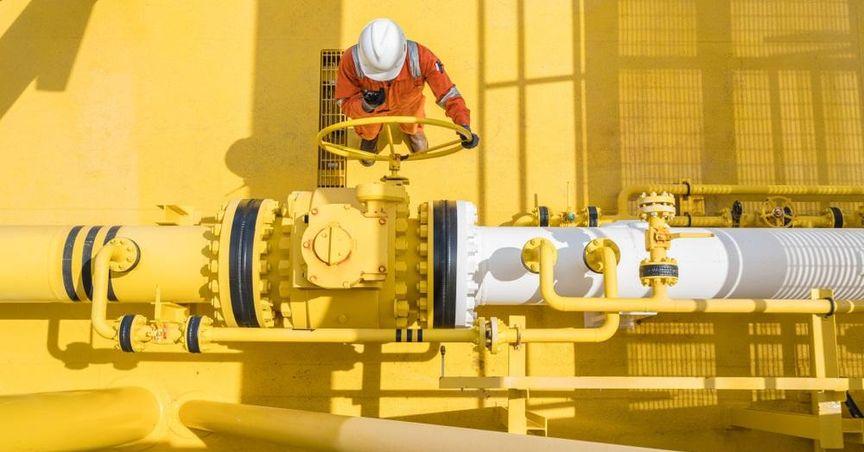
Offshore projects require substantial engineering capability, including floating production systems, subsea infrastructure and specialised drilling operations. These assets form part of a broader international resource base supporting crude and natural gas production.
Strait of Hormuz and Energy Market Attention
Global energy markets have focused on the Strait of Hormuz following renewed shipping restrictions and increased concerns surrounding maritime movement in the region. The waterway serves as an important route for crude oil and liquefied natural gas shipments from the Middle East.
Disruptions in major shipping corridors can affect transportation costs, insurance expenses and supply availability. For integrated energy companies, these developments influence upstream commodity activity as well as downstream operations that depend on reliable crude supply.
The [Dow Jones Industrial Average] includes several large companies from different industries, and Exxon Mobil represents the energy segment within that group. Movements in crude markets often create broader discussion around energy companies because hydrocarbons remain closely connected to transportation, manufacturing and industrial activity.
Refining and Chemical Operations
Beyondoil and gas production, Exxon Mobil operates refineries and chemical facilities that convert raw materials into fuels and industrial products. Refining operations produce gasoline, diesel, jet fuel and other petroleum products used by consumers and businesses.
The chemical division produces materials used in packaging, construction products, automotive components and other industrial applications. These operations connect the company with manufacturing activity worldwide.
Refining and chemicals operate differently from upstream production because margins depend on factors such as crude availability, product demand and industrial conditions. A change in crude markets can affect different parts of the integrated structure in different ways.
Natural Gas and Liquefied Energy Activities
Natural gas has become an important part of global energy supply, particularly as countries seek reliable sources for electricity generation and industrial use. Exxon Mobil participates in natural gas production and liquefied natural gas activities.
Liquefied natural gas allows gas to be transported by sea after being cooled into liquid form. This process enables movement between regions that do not have direct pipeline connections.
The companys natural gas operations connect with international energy trade routes, including markets across Europe and Asia. Demand for gas is influenced by electricity generation needs, industrial activity and energy infrastructure development.
Technology and Lower-Emission Projects
Exxon Mobil has developed projects focused on carbon capture, hydrogen and lithium extraction technologies. Carbon capture involves collecting carbon dioxide emissions from industrial facilities and storing them underground.
The company has also explored lithium production using extraction methods designed to recover lithium from underground brine resources. Lithium is used in battery manufacturing and energy storage systems.
These activities represent additional areas connected to the companys engineering expertise, including subsurface management, chemical processing and large-scale industrial operations.
Energy Industry Challenges
Theenergy sector operates within a complex environment shaped by commodity markets, geopolitical events, environmental requirements and changing consumption patterns.
Oil and gas producers must manage operational factors including exploration activities, production costs, transportation systems and maintenance requirements. Offshore developments require extensive planning because of technical complexity and large infrastructure needs.
The industry is also experiencing changes linked to renewable energy adoption, vehicle technology developments and efficiency improvements. At the same time, oil, gas and petrochemical products continue to support transportation, manufacturing and industrial processes globally.
Exxon Mobils Role in Global Energy Markets
Exxon Mobil represents a major participant in the global energy industry through its combination of production assets, refining facilities and chemical operations. The companys activities connect natural resources with a wide range of industrial applications.
As part of the [Dow Jones Industrial Average], the company remains linked to broader discussions surrounding energy markets, industrial activity and global commodity movements. Its operations reflect the interconnected nature of modern energy systems, where production, transportation and consumption are closely connected.
