
 AUS
AUS
 NZ
NZ
 UK
UK
 CA
CA
 USA
USA
 IND
IND



.jpg)

Highlights
- Copper and gold supported mining-sector attention.
- Grasberg remains central to production progress.
- Energy costs add pressure to operating economics.
Copper and gold steadied as geopolitical tension lifted commodity attention, while operational progress, energy costs, trade measures, and the Grasberg ramp remained central to the mining outlook.
Freeport-McMoran Copper & Gold Inc (NYSE:FCX), one of the worlds largest publicly traded copper producers, moved into sharper focus as metals showed resilience during a divided market session. The company is also a constituent of the Russell 1000, giving its movement broader relevance when commodity-linked shares diverge from technology-heavy areas. Copper steadied, gold gained support from defensive demand, and crude strengthened as renewed Middle East tension encouraged greater attention toward companies linked to physical resources.
Metals Regain Market Attention
The market backdrop offered a clear contrast between resource producers and growth-oriented technology names. Semiconductor companies faced renewed pressure as questions surrounding artificial-intelligence infrastructure spending returned, while energy and metals companies benefited from geopolitical uncertainty and firmer commodity prices.
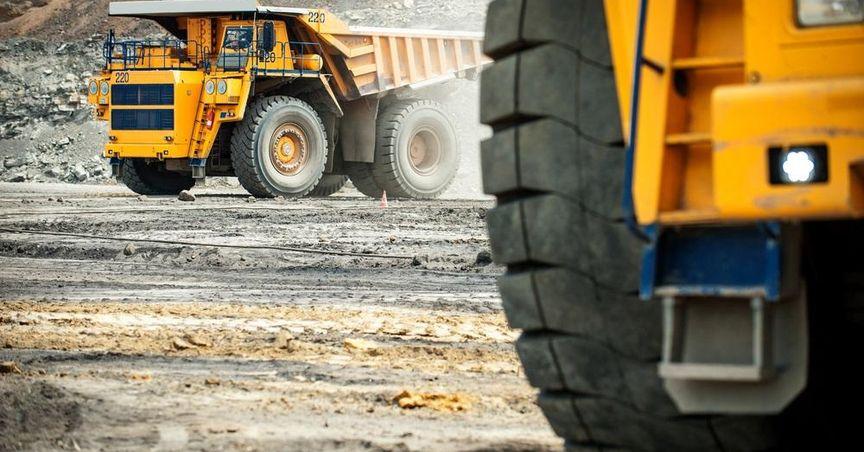
For Freeport-McMoRan, this environment created a mixed operating picture. Stronger copper and gold conditions can support revenue, but higher crude prices can also raise mining costs. Large open-pit operations depend heavily on diesel-powered trucks, drilling equipment, processing facilities, and transportation networks. As energy prices rise, the cost of moving and processing ore can increase.
The central question is whether firm metal prices can remain ahead of cost inflation. That balance often determines how mining companies perform during commodity-driven market shifts.
What Does Freeport-McMoRan Produce?
Freeport-McMoRan is primarily a copper miner, although its operations also produce significant quantities of gold and molybdenum. Its portfolio includes large mining districts across North America, South America, and Indonesia.
The companys North American operations are concentrated in Arizona and New Mexico, where it manages open-pit mines, mills, leaching facilities, smelting operations, and refining infrastructure. In South America, its major assets provide exposure to large-scale copper production in Peru and Chile.
Its Indonesian presence is centred on the Grasberg minerals district, a globally important copper and gold resource. The operation has transitioned from historic open-pit production toward underground block-cave mining, making the pace of the underground ramp one of the most important factors shaping the companys near-term production outlook.
This broad asset base places Freeport-McMoRan firmly within theMetal and Mining Stocks category, with its performance closely linked to industrial activity, electrification spending, commodity supply, and global infrastructure development.
Grasberg Drives the Story
The underground ramp at Grasberg remains the companys most closely watched operational development. Block-cave mining involves creating space beneath an ore body so that gravity helps fracture and move material toward underground collection points.
The process requires substantial engineering, infrastructure, and preparation. Once fully established, it can support large production volumes and competitive unit costs. However, reaching the designed operating rate can take time, especially when loading systems or underground infrastructure require adjustment.
Any delay can affect copper and gold output from Indonesia. Although the underlying ore body remains in place, timing matters because postponed production shifts cash generation into a different commodity-price environment.
Grasberg also carries strategic importance because the company is expanding domestic processing capacity in Indonesia. Managing underground production growth while commissioning downstream infrastructure requires careful execution across mining, logistics, and processing activities.
Gold Adds Business Flexibility
Freeport-McMoRan differs from many copper-focused producers because of the scale of its gold output. Grasberg is a major dual-metal district rather than a copper mine with only limited precious-metal exposure.
This distinction becomes important during periods of geopolitical uncertainty. Copper usually reflects expectations for manufacturing, construction, and global economic activity. Gold often responds more strongly to defensive demand, currency concerns, and geopolitical risk.
When industrial sentiment weakens, gold can offer support to the companys broader revenue mix. It does not remove copper sensitivity, but it can reduce the effect of weakness in one part of the metals market.
The recent strength in bullion therefore added another layer to the companys market story, particularly as conflict concerns encouraged greater interest in hard assets.
Copper Supports Long-Term Demand
Copper remains essential to power grids, renewable energy systems, electric vehicles, charging networks, data centres, and industrial automation. Each of these areas requires extensive wiring, electrical equipment, and power-distribution infrastructure.
The supply side remains challenging. Many established mines are dealing with lower ore grades, rising development costs, longer permitting processes, and limited availability of large new deposits. These constraints can make existing large-scale producers strategically important.
Artificial-intelligence infrastructure also plays a growing role in copper demand. Data centres require substantial electricity, cooling capacity, backup systems, and grid connections. Even when semiconductor shares face pressure, the physical infrastructure behind computing growth continues to require large quantities of industrial materials.
Trade Measures Shape Costs
Trade policy remains another important factor for American metals producers. Measures affecting imported metals can support domestic pricing, but they can also raise the cost of machinery, steel structures, replacement parts, and industrial consumables.
For Freeport-McMoRan, the effect depends on how each measure is structured. Domestic copper production may benefit from regional premiums, while imported equipment and construction materials can become more expensive.
Mining projects consume large quantities of steel, fuel, power, and heavy machinery. Any shift in trade rules can therefore affect both revenue and operating costs.
Leaching Adds Incremental Output
Beyond Grasberg, the company has continued developing leach-recovery programs across its American operations. Leaching helps recover copper from material that has already been mined and placed in stockpiles.
This approach can add production without developing an entirely new pit. Because much of the rock has already been moved, incremental recovery may require less capital than a new mine expansion.
Although such programs rarely attract the same attention as major projects, they can steadily improve asset productivity and extend the value of existing mining districts.
What Matters Next?
Freeport-McMoran Copper & Gold Inc (NYSE:FCX) outlook rests on execution across several areas. The company must advance the Grasberg underground ramp, manage energy and material costs, expand recovery from existing stockpiles, and navigate changing trade and processing requirements.
Copper and gold prices will remain important, but operating discipline will determine how effectively the company converts supportive commodity conditions into business performance.
The recent session showed that metals can regain attention when technology themes weaken and geopolitical risk increases. For Freeport-McMoRan, the deeper story remains grounded in production progress, asset quality, cost management, and the long-term need for copper across the global economy.
