
 AUS
AUS
 NZ
NZ
 UK
UK
 CA
CA
 USA
USA
 IND
IND




Highlights
- Occidental Petroleum operates in the energy sector with activities spanning oil and gas production, chemicals and carbon management.
- Crude market movements linked to Strait of Hormuz tensions have placed energy producers in focus.
- The company remains part of the large-cap energy group represented by the S&P 500.
Occidental Petroleum (NYSE:OXY) operates within the energy sector, focusing primarily on oil and natural gas exploration, production and related industrial activities. The company also operates chemical businesses and develops carbon management projects that extend beyond traditional hydrocarbon operations.
Changes in global crude markets can affect energy producers because oil and gas activities are closely connected to commodity conditions, transportation networks and regional supply patterns. The company is included within the S&P 500, reflecting its position among major United States-listed businesses across multiple industries.
Core Operations Across Oil and Gas Regions
The companys production activities are concentrated mainly in the United States, with a significant presence in the Permian Basin. The region is one of the largest oil-producing areas in North America and has become central to domestic energy output.
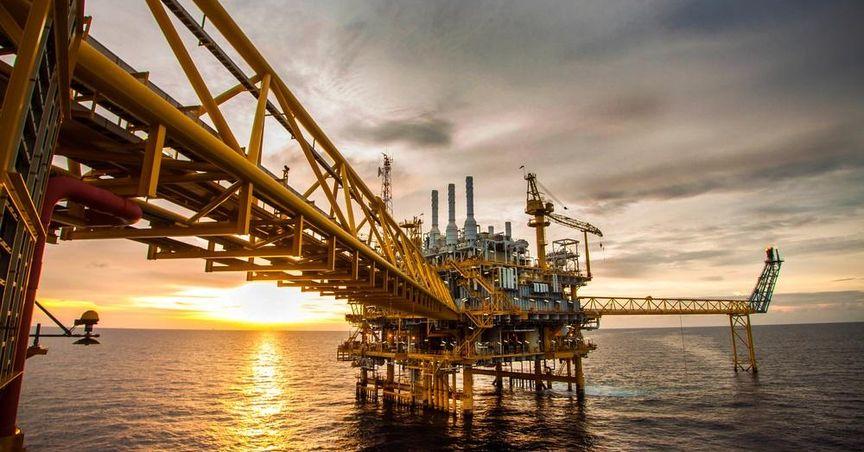
Operations also include assets in the Gulf of Mexico and international locations. These activities involve exploration, drilling, production and resource management across different geological environments.
The companys business structure combines upstream energy production with additional industrial operations. This includes chemical manufacturing through businesses producing materials used in industrial applications such as water treatment, construction and manufacturing processes.
The Importance of the Permian Basin
The Permian Basin represents a major part of the companys production base. The region benefits from extensive infrastructure, established service networks and decades of drilling experience.
Shale production in the area uses horizontal drilling and hydraulic fracturing techniques to extract oil and natural gas from underground formations. Advances in drilling methods have improved operational efficiency and increased access to resources across the basin.
The scale of Permian operations allows producers to manage large acreage positions, shared infrastructure and production systems. These factors influence operating performance and resource development across the region.
Oil Supply Routes and Global Energy Markets
The Strait of Hormuz remains one of the worlds most important energy transportation routes, connecting major Middle Eastern producers with international markets. Events affecting shipping through this area can influence global energy conditions.
For producers operating outside the region, changes in global crude markets can alter the value received for production. Transportation costs, shipping availability and regional supply differences all contribute to energy market conditions.
Energy companies within the S&P 500 operate in an environment shaped by both domestic production trends and international developments. Supply disruptions, inventory changes and industrial demand all contribute to shifts across the sector.
Carbon Management and Enhanced Recovery Activities
Beyond conventional oil production, the company has developed expertise in enhanced oil recovery. This process involves injecting carbon dioxide into mature oil fields to improve extraction from existing reservoirs.
The same underground storage knowledge used in enhanced recovery also supports carbon management projects. These activities involve capturing carbon dioxide and storing it underground or using it within industrial processes.
Carbon management has become a developing area within the broader energy industry as companies explore technologies connected with emissions reduction and resource management.
Chemical Business Adds Industrial Exposure
The chemical segment produces materials used across several industries. Products include chemicals used in water treatment, construction materials and manufacturing applications.
This business operates differently from oil production because it is influenced by industrial activity, raw material availability and manufacturing demand.
The combination of energy production and chemical operations gives the company exposure to different parts of the industrial economy. These areas respond differently to changes in commodity conditions and economic activity.
Energy Sector Position and Market Structure
The energy sector includes companies involved in exploration, production, refining, transportation and related services. Within this landscape, producers with greater exposure to crude output are more directly connected to oil market changes.
The company is also associated with Energy Stocks, a category covering businesses involved in energy exploration, production and related activities.
Competition in the oil industry includes large integrated companies, independent exploration businesses and international producers. Differences in resource locations, operating structures and production methods create varied approaches across the sector.
Supply, Demand and Operational Factors
Oil producers monitor several operational areas, including drilling activity, transportation capacity and production levels. Infrastructure availability can influence how efficiently resources move from production areas to customers.
The Permian Basin has experienced significant infrastructure development, including pipelines, processing facilities and export connections. These systems support movement of crude from inland production areas to domestic and international markets.
Natural gas production also forms part of oil operations because many oil wells produce associated gas. Processing capacity and transportation networks influence how this resource reaches end users.
Broader Market Connection Through the S&P 500
The companys inclusion in the S&P 500 places it within a broad group of large United States businesses spanning technology, healthcare, industrial, financial and energy industries.
Energy companies often respond differently from other market segments because commodity conditions play a central role in operating results. Changes in crude markets can influence energy producers while creating different effects across industries that consume fuel.
Occidental Petroleum (NYSE:OXY) continues to operate across oil production, chemical manufacturing and carbon management activities, connecting traditional energy operations with developing industrial technologies.
