
 AUS
AUS
 NZ
NZ
 UK
UK
 CA
CA
 USA
USA
 IND
IND






Highlights
- Canadian equities recently advanced amid strong corporate earnings and sector resilience in technology, real estate, and industrials.
- The energy segment faced pressure from declining oil and gas prices, contrasting with gains in broader TSX-listed sectors.
- Market sentiment remains cautious due to upcoming central bank announcements and fluctuating global commodity prices.
TSX Index Today: Key Trends in the Canadian Equity Market
TSX index today reflects a cautious yet active session as Canadian equities navigate mixed signals from global commodities and forthcoming interest rate decisions. The performance of the Toronto Stock Exchange (TSX) often mirrors the momentum in key sectors, particularly energy, financials, and industrials. With no major domestic economic reports expected at the opening, attention shifts to international trade factors and upcoming central bank meetings, both of which could steer sector-specific stock activity. Major Canadian tickers like TFI International (TSX:TFII), Lightspeed Commerce (TSX:LSPD), and Enbridge (TSX:ENB) continue to shape the index landscape.
Mixed Sector Performance Amid Cautious Market Mood
Canadian equities closed higher in the most recent session, extending their positive run across several trading days. This uptick was supported by robust earnings reports and expectations of monetary easing. Gains in the technology, real estate, and industrials segments helped offset declines in energy stocks caused by weaker oil and gas prices.
Notably, technology and logistics-oriented names posted strong rallies. Celestica (TSX:CLS) and TFI International each delivered performance exceeding key sector averages, helping sustain broader index momentum. At the same time, the subdued activity in energy equities underscored ongoing volatility in global commodity markets.
Top Movers in Focus
A few standout stocks led the gains within the TSX Composite. Lightspeed Commerce surged following continued optimism around its digital commerce solutions. Celestica also posted marked gains, building on its relevance in electronics manufacturing amid ongoing supply chain adjustments.
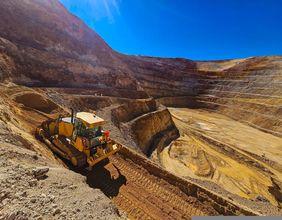
Orla Mining (TSX:OLA) contributed positively to the mining space with a strong single-day gain. Conversely, Winpak (TSX:WPK) recorded a sharp decline, driven by subdued quarterly results. The company reported lower profitability as volume weakness, production inefficiencies, and elevated labor expenses impacted margins. This marked a continuation of a week-long downward trend.
Additional underperformers included Teck Resources (TSX:TECK.B), Aya Gold & Silver (TSX:AYA), and NovaGold Resources (TSX:NG), each declining amid cautious sentiment in the metals and materials segment.
Trading Volume Leaders on the TSX
A handful of heavyweight tickers dominated the trading boards. Enbridge remained one of the most traded stocks, reflecting ongoing interest in utility and pipeline infrastructure despite sector pressures. Canadian Natural Resources (TSX:CNQ) and TC Energy (TSX:TRP) also featured prominently in trading activity, even as the energy segment showed weakness.
Meanwhile, Bank of Montreal (TSX:BMO) maintained its position as one of the more actively traded financial stocks, continuing to attract attention amid anticipated rate decisions from major central banks.
Commodities and Monetary Policy in the Spotlight
As the week begins, commodity prices are displaying a mixed trajectory. Crude oil and natural gas have shown declines, contributing to short-term weakness in energy stocks. Meanwhile, metals and agricultural commodities exhibit varied trends, offering minimal directional clues for the broader TSX index.
With both the Bank of Canada and the U.S. Federal Reserve scheduled for key policy announcements midweek, the equity market remains attentive. Rate adjustments or guidance shifts may influence sector-specific capital flows, particularly in yield-sensitive areas such as financials and real estate.
Corporate and Economic Calendar Update
No significant earnings or macroeconomic data points are expected from the Canadian market in the early part of the day. This positions global events and policy updates as primary market movers. As a result, short-term trading may remain range-bound with sporadic volatility tied to commodity price shifts or geopolitical developments.
In the absence of earnings catalysts, equities on the TSX may rely on sentiment-driven trades, technical indicators, and broader risk signals emerging from global markets.
FAQs
-
What sectors currently influence the TSX index the most?
Technology, financials, energy, and industrials are key drivers of movement in the TSX index. -
Why is Winpak seeing a decline on the TSX?
Winpak experienced a stock drop following weaker earnings, volume softness, and narrowing margins due to higher costs. -
How do central bank decisions affect the Canadian stock market?
Interest rate announcements from central banks influence borrowing costs, sector valuations, and investor sentiment across TSX-listed sectors. -
What are the most active stocks on the TSX currently?
Enbridge, Whitecap Resources, TC Energy, Bank of Montreal, and Canadian Natural Resources have shown high trade volumes recently. -
Which sectors benefit from rate cuts in the Canadian market?
Real estate and financials typically react positively to rate cuts, due to their sensitivity to borrowing costs and yield dynamics.
